
Ready for the nostalgia blog version? it’s right here for you
Balanced Life
In today’s fast-paced world, stress has become an inevitable part of our lives. From a demanding work schedule to a taxing workout, it’s easy to feel overwhelmed and drained when the tough gets going. Understanding the impact of stress on our overall health and wellbeing is crucial.
The Power of Meditation
Meditation is a powerful tool that helps both calm the mind and reduce stress. Breathing exercises and mediation are of course not a one-time solution. It takes patience and lots of practice to connect the body and mind as a coping mechanism for dealing with stress.
Exercise and Stress Relief
Physical activity has long been recognised as a natural stress reliever. Finding an exercise routine that suits your preferences can provide immense benefits for stress management.
Make Self-Care a Priority
Taking care of yourself can often be neglected in the midst of busy schedules and responsibilities. However, practicing self-care is essential for maintaining a balanced life. Paying attention to the food you eat and the habits you create for a balanced diet. These are all self-care techniques you can practice for a nourished mind, body and soul.
Love, K x
Ayurvedically
The reason why I wanted to start this blog is because we make decisions all day long, every day in relation to our health and well-being. And that’s what Ayurveda’s really all about.
Ayurveda says that the things that we do daily is what makes the difference in our health over the long-term.
And so that’s what we’re after. And earlier this week I asked for some suggestions from you, about what you want to know about Ayurveda diet and lifestyle.
You guys gave me lots of ideas! Ayurveda is an anytime, anywhere, anyone sort of wisdom; a universal way of living wisely that can be easily adopted no matter what stage of life you’re at.
Ayurveda: The magic of living wisely
Translated simply as ‘knowledge of life’, Ayurveda (a Sanskrit term: Ayur = life, Veda = knowledge) is an ancient Indian holistic philosophy that shows how to live a healthy, wholesome and more fulfilled life by balancing your mind, body and spirit.
Ayurveda, known as the “Sister Science” to yoga, One of the main beliefs is that the food we eat effects our overall wellbeing, and can make us elated or miserable. This diet is designed to be holistic in nature, meaning it nurtures your mind, body, and soul, and therefore is a great support for your yoga and meditation practice.
Ayurveda encourages you to find the love in yourself instead of comparing yourself to other people. It wants you to understand that you are truly unique, and is designed so that you approach your individual life in the most tailored way possible. It encourages you to discover your individual needs, as well as grow, heal, and reflect on your life.
Ayurveda is all about understanding that healthy is your natural state. If you and your environment are in balance, that’s considered optimum health, and the opposite goes for being unbalanced.
A principle of Ayurveda is that we are a part of nature.
In this day and age, we often need to recalibrate our mental and physical settings. As ever-changing beings, it’s important to reflect and clear out what isn’t working for you and your life. This makes room for new things. Cleansing the system with a Ayurvedic-based diet, and cleansing the mind with things like meditation and yoga on a regular basis will allow you to recalibrate with greater ease, and greater access inner peace.
Ayurveda reminds you that you’re much deeper than your skin. There is an essence to you, and an energy that can light up the world.
Research shows that Ayurveda can in fact help on a cellular level. It has been indicated that Ayurveda has the potential to actually regenerate cells, again showing that we have the power to begin healing ourselves of certain ailments simply by the way we treat our bodies.
Toxins in the Body are Reduced
As you begin to eat for your dosha, your digestive system will strengthen.
To put it simply, food influences how you feel.
Love K x
What I would have liked to know as a yoga beginner
Find the yoga teacher who is a good fit for you! Especially in the beginning, it is important that you find a yoga teacher with whom you enjoy the lessons.
It’s not about the form, about the “perfect” pose – it’s about how you are in that pose.
Don’t look at what others are doing on their mat. Don’t compare yourself to them.
Don’t push yourself too much
When you’re desperate to do a pose or you’re just in the flow, it’s easy to push yourself too hard and get injured.
Yoga is so much more than exotic postures. It gets really exciting in the philosophy behind it. It can give you interesting food for thought and help you see your life with new eyes.
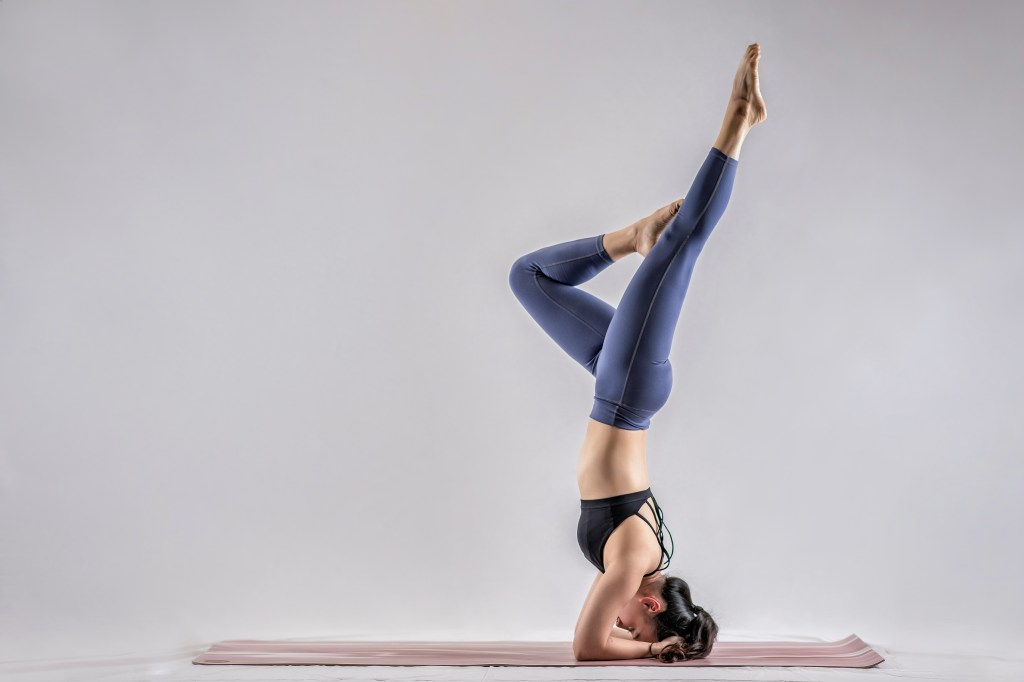
yoga is a practice not a performance
Yoga is fundamentaly an internal journey, not an external performance. It’s about our awareness, our conscius state, a connection with our higher selves and a path to navigate our struggle.
In today scene, it often becomes a public spectacle.
it might mean prioritizing Instagram worthy poses over the depth of your practice. We ask how the pose should look instead of focusing on how it feels, neglecting the essence of the pratice.

Green Smothies
Good Morning!
Weekend is clean out the fridge, evaluate the situation, and go grocery shopping day. I usually plan all of my weekend recipes around what we can use up. Making smoothies and fresh juice is no small costso I hate to let fresh fruit go to waste.
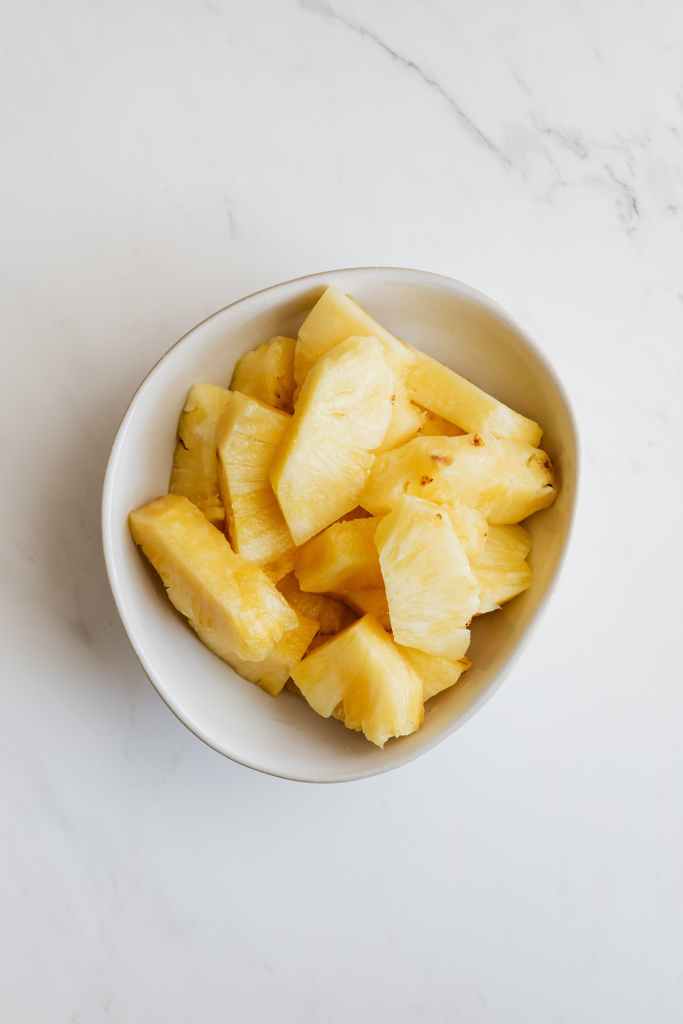
Today, I found a whole bowl of beautiful kiwis and my thoughts went immediately to green juice. Luckily I also had a few green apples, and some kale and pineapple. Such a tasty combo for the end of the week!
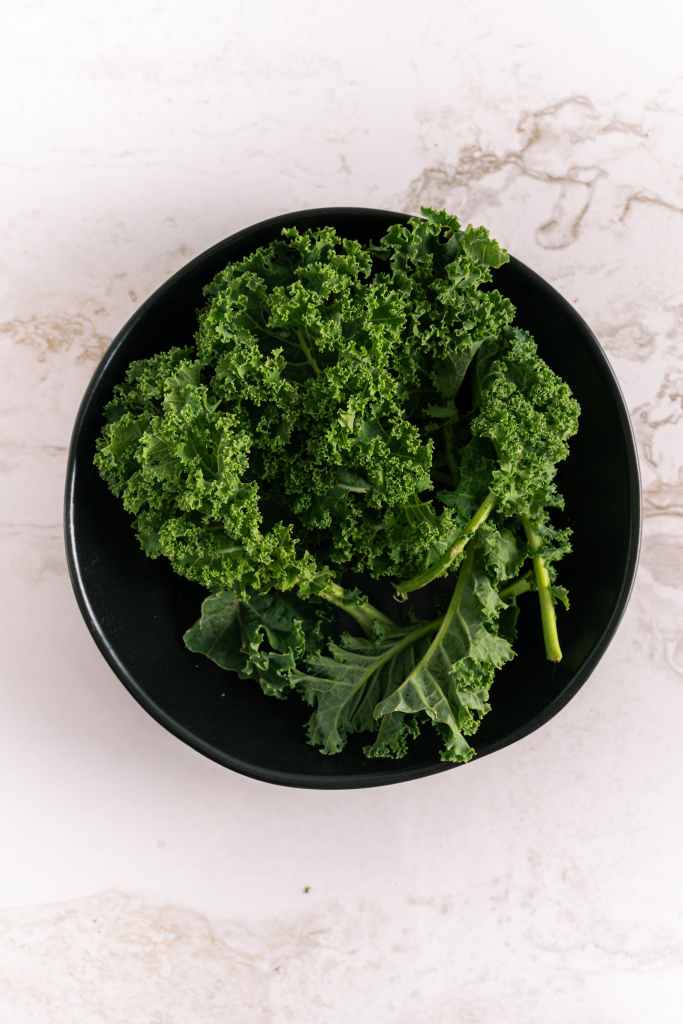

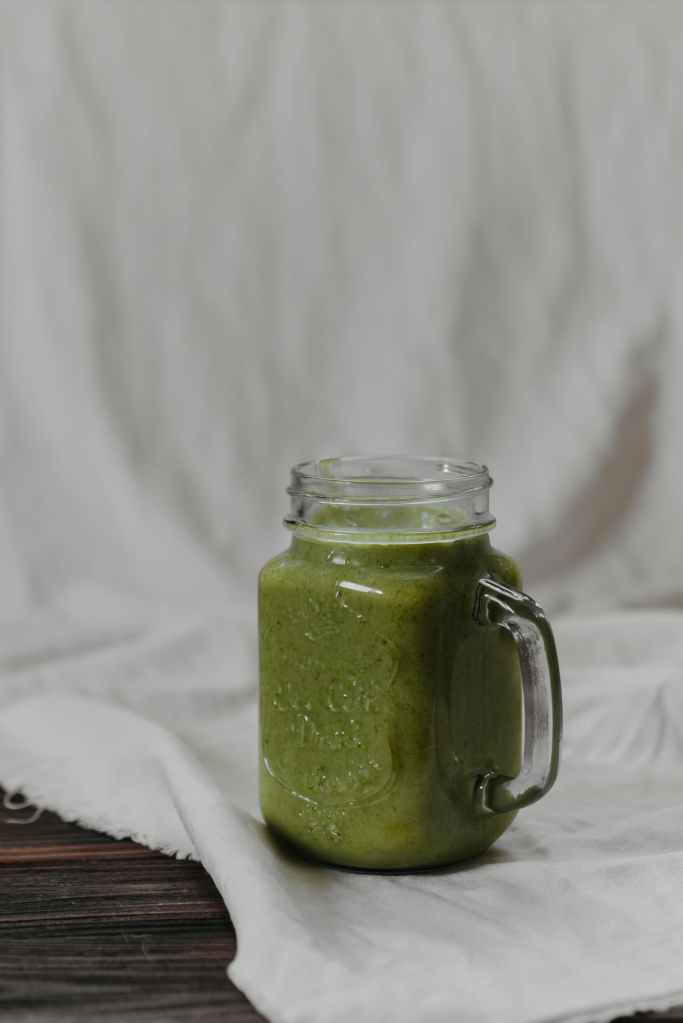


- 4 Kiwis
- 1 Granny Smith green apples
- 1 large bunch of kale
- 100gr pineapple, mine was previously chopped and frozen
Enjoy!!!!
Things To Add To Your Diet For Better Health
Key word: “add”! I’m not suggesting you to stop eating anything. Just add a few things in to what you already enjoy!
GREEN
Okay this first one might be what you expected. BUT! Seriously.
I personally love greens and enjoy them. But maybe you hate them. So take them like medicine if you have to. Because food IS medicine. This stuff can heal! Grab a bunch of romaine and eat it like a rabbit, get it down you, and wash it down with some chocolate. I don’t care, just get the greens in you.
I promise you’ll start loving them.
WATER
Easy. Just drink more water.
If you want to be picky, you can get geeky about how to get the best water, with filters and alkalinising shizzle, and I welcome you to explore that if you want to. But if nothing else, just drink more water.
Our bodies are MADE of water. Like 70 or 80% or something. Google it if you wanna know the exact number because I don’t know.
Oh and also your fascia needs water. Fascia is everywhere in the body and isn’t made of cells, rather it’s produced by cells. Anybody that wants to become more flexible, more mobile, move without stiffness, soreness, or pain. Because when the fascia is dehydrated, it gets decrepid and withered.
Like the greens, if you hate water, then take it like medicine. Do it for your health. You’ll find water becomes more and more satisfying.
yoga is good for everyone
Yoga is about creating a connection; to ourselves, to our bodies, to our minds, to our lives. It helps to calm the chaos in our everyday, the mental stuff, in our heads and daily lives, and it reminds us to breathe.
it’s pretty simple yoga is good for everyone and the benefits are undeniable.
YOGA ISN`T PINK LYCRA AND VEGAN CHICKS. But these days the perception is still one-dimensional. We only ever see the pretty little bendy girls slapped flooding our Instagram feeds, but the truth is there is a whole other breed of yogi out there, inspiring, teaching and living yoga in their communities all around the world. To ME, yoga is a culture and a lifestyle, not just a practice. Yoga creates a community of the like-minded.
It’s take time to learn the practice in a way that works for you. If all else fails, just keep breathing!

One of The Best Yoga Travel Destinations: Bali
Being in beautiful Bali, surrounded by Balinese people who live more in the present moment is such a peaceful place to be.
Bali is also known as ‘the Island of the Gods‘ and is a deeply spiritual Hindu island with a rich cultural heritage. The popularity of the movie ‘Eat Pray Love’ placed Bali firmly as one of the world’s top yoga hotspots. Beyond the yoga mat, Bali’s numerous workshops, holistic healing therapies and ceremonies are sure to pique your curiosity and expand your understanding of wellness culture. Best of all, many of the best yoga retreats in Bali provide a complete vacation package that includes daily yoga sessions, delicious healthy food, meditation classes, spa treatments, sightseeing tours and cultural activities, making them exceptional value for money.
7 of the Best Bali Yoga Retreats based on reviews
Eco Luxury Yoga Retreat – De Moskha
Yoga and Meditation Retreat for Beginners – Firefly
Balinese Culture and Wellness Retreat – Balitrees
Yoga and Surf Retreat – Pelan Pelan
Budget Yoga Retreat – Serenity
Yoga Retreat on Nusa Lembongan – Yoga Bliss
Yoga Retreat in the Gili Islands – Flowers and Fire
https://www.bookyogaretreats.com




Art Of Happiness – The Dali Lama
Whether you’re new to yoga and meditation, or have been cultivating a practice for years, having some inspiring reading material can be an essential part of your journey.
The Dali Lama’s Art of Happiness is one of the most popular books about Buddhism and mindfulness. Written with American psychiatrist Dr Howard Cutler, this book explores many aspects of daily life from a Buddhist perspective. If you have ever wondered how to live a calmer, less complicated life then this book is worth a try and a great choice to read on a yoga retreat.
The main premise of the book is that all human beings seek happiness and that this search is the meaning of our lives. The understanding, the Dalai Lama says – that happiness is achievable – is the first step in leading a happy life.
If happiness is indeed achievable, how can we find it? The proposed approach focuses on finding the roots of happy feelings and nurturing them, while avoiding the roots of bad feelings. Sounds simple, doesn’t it?
Foster roots of good feelings: wholesome actions, compassion, confidence…
Avoid negative feelings: anger, envy, attachment, worrying too much…
“Sometimes it is the most basic and straightforward advice, the kind that we tend to dismiss as naive, that can be the most effective means of enhancing communication.” – Howard Cutler
Compassion is the most discussed feeling in the book. Described as sharing someone else’s suffering, it is, according to the Dalai Lama, the most important feeling to nurture in order to achieve happiness. Genuine compassion is the act of finding common ground with other human beings by recognizing their wishes for their own happiness.
Once you extend your ability for compassion, you will more easily engage in altruist acts, live with more affection and, ultimately, be happier.
Along the book, the authors cover many topics such as dealing with suffering, changing perspectives (accepting the point of view of others), finding balance in life (“not too much studying, nor too much meditation”), among many others.
Interestingly, education is seen as the first step towards internal change. This reminder about the importance of education is especially powerful when coming from one of the worlds spiritual leaders. Moreover, the path to internal change proposed by the Dalai Lama of education, conviction, persistence and action, resembles a lot the path drawn by many authors of management books. However non-spiritual this may sound, I see a pattern in what can bring us happiness and what can bring us career success.
“It takes an equally long time to establish new habits that bring happiness. There is not getting around these essential ingredients: determination, effort and time. These are the real secrets to happiness.” – Howard Cutler
I would recommend reading the Art of Happiness as an introduction to anyone interested in leading a happy life. And isn’t that what we all want?
Buy “Art Of Happiness” on Amazon
My Yoga Playlists
Oooh I just LOVE a good playlist; it can make or break your self practice and, if you’re a yoga teacher who teaches with music, it can definitely make or break the atmosphere in your class! I spend hours refining my Spotify playlists and I have one for every mood. Knowing what works, and having taken inspiration from various other playlists myself, I decided to share a few of my favourites for you to enjoy too.
Creating the perfect yoga playlist involves a harmonious blend of calming melodies, rhythmic beats, and soothing tunes. Whether you’re practicing yoga at sunrise, winding down in the evening, or flowing through vinyasas, the right music can enhance your experience.
Also, I love the silence, it’s so deeply personal and immersive, but when the beat drops in the thick of your sweat sesh and suddenly you’re powered up and ready to flick into a handstand and YOU DO… it’s an amazing feeling!
The right playlist will leave you feeling EPIC!
1. Yoga Hour 2. Vinyasa Wormhole 3. Retreat into Yin


Yoga benefits beyond the mat
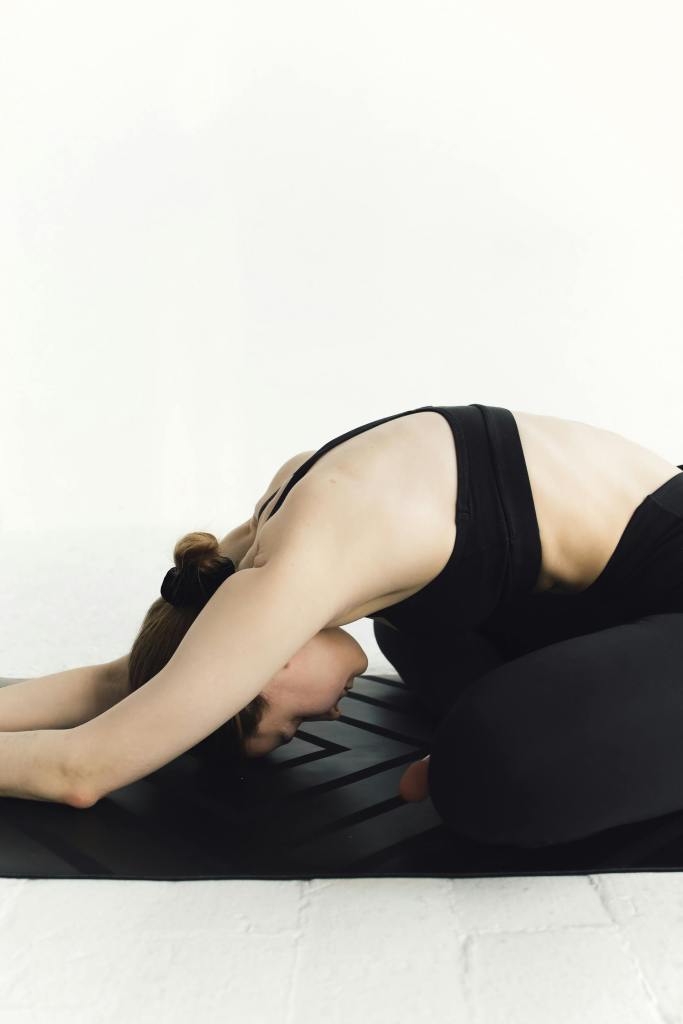
Yoga, an ancient practice and meditation, has become increasingly popular in today’s busy society. For many people, yoga provides a retreat from their chaotic and busy lives. This is true whether you’re practicing downward facing dog posture on a mat in your bedroom, in an ashram in India, or even in New York’s Times Square. Yoga provides many other mental and physical benefits. Some of these extend to the kitchen table.
The goal during yoga practice is to challenge yourself physically, but not to feel overwhelmed. At this “edge,” the focus is on your breath while your mind is accepting and calm.
A better body image
Yoga studios typically don’t have mirrors. This is so people can focus their awareness inward rather than how a pose — or the people around them — looks. Surveys have found that those who practiced yoga were more aware of their bodies than people who didn’t practice yoga. They were also more satisfied with and less critical of their bodies. For these reasons, yoga has become an integral part in the treatment of eating disorders and programs that promote positive body image and self-esteem.
Becoming a mindful eater
Mindfulness refers to focusing your attention on what you are experiencing in the present moment without judging yourself.
Practicing yoga has been shown to increase mindfulness not just in class, but in other areas of a person’s life.
The researchers found that people who practiced yoga were more mindful eaters, according to their scores. Practicing yoga helps you be more aware how your body feels. This heightened awareness can carry over to mealtime as you savor each bite or sip and note how food smells, tastes, and feels in your mouth.
Enhancing fitness
Yoga is known for its ability to soothe tension and anxiety in the mind and body. But it can also have an impact on a person’s exercise capacity.
Cardiovascular benefits
Several small studies have found yoga to have a positive effect on cardiovascular risk factors: it helped lower blood pressure in people who have hypertension. It’s likely that the yoga restores “baroreceptor sensitivity.” This helps the body senses imbalances in blood pressure and maintain balance.
Another study found that practicing yoga improved lipid profiles in healthy patients, as well as in patients with known coronary artery disease. It also lowered excessive blood sugar levels in people with non-insulin dependent diabetes and reduced their need for medications. Yoga is now being included in many cardiac rehabilitation programs due to its cardiovascular and stress-relieving benefits.
Before you start a new exercise program, be sure to check with your doctor.
Researchers are also studying if yoga can help people with depression and arthritis, and improve survival from cancer.
Yoga may help bring calm and mindfulness to your busy life.
Namaste.
https://www.health.harvard.edu/staying-healthy/yoga-benefits-beyond-the-mat
Eat mindfully for your best yoga practice ever.
Yoga culture has come to be a very interesting melting pot of people from all places. The ultimate uniter.
One thing many yogis have in common is that! They wonder, “Should I eat before yoga?”
So, before you hit the mat, prepare to properly prime your body and your soul!
Choose foods that digest easily and give you balanced energy, such as a combination of carbohydrates, protein, and fat for staying power. Allow yourself one to one-and-a-half hours to digest after a light snack and two to three hours to digest after a light meal before your yoga class. But the most important thing here is to experiment and listen to your body to determine the timing that works best for you.
An ideal yogic diet would consist of grains, dairy products, vegetables, fruits, nuts, honey and nutritive roots. Foods to be avoided are aerated drinks and spicy, overly salty or fried food as this adds little or no nutrition and contributes to a feeling of tiredness and sluggishness.
Make sure you stay well hydrated before your class—but DON’T overdo it. Practicing yoga, with a belly full of water, especially yoga poses with twists, makes many people uncomfortable.
Eat foods that you know your body agrees with, and that you can count on to not impact your practice. You want to be focusing your mind on important things like your practice, not worrying about how your belly feels.
Here are some good options:
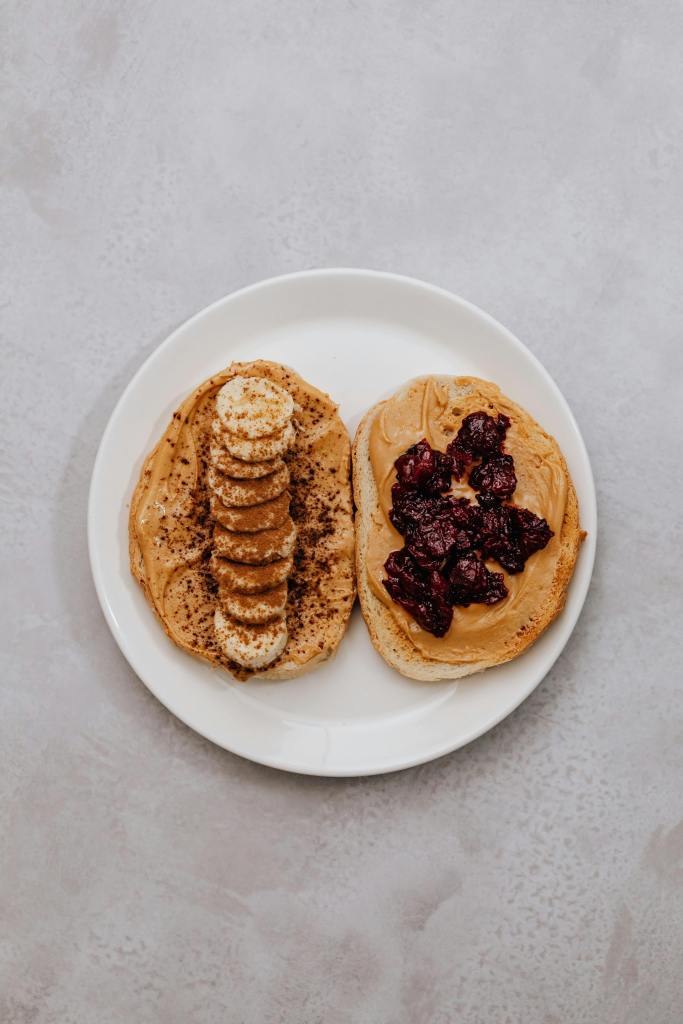
Apple or banana slices dipped in nuts butter.
A granola bars or energy bites are also good options
A hard-boiled egg and carrot sticks
Avocado is also a favorite among yoga practitioners because it is high in minerals.
Smoothies drinking a smoothie can be the best alternative as it’s quick and easy to digest. Simply combine banana, avocado and Protein powder. Remember not to go too heavy with the number of ingredients, as it may slow down the digestion process. Stick to a light mix instead
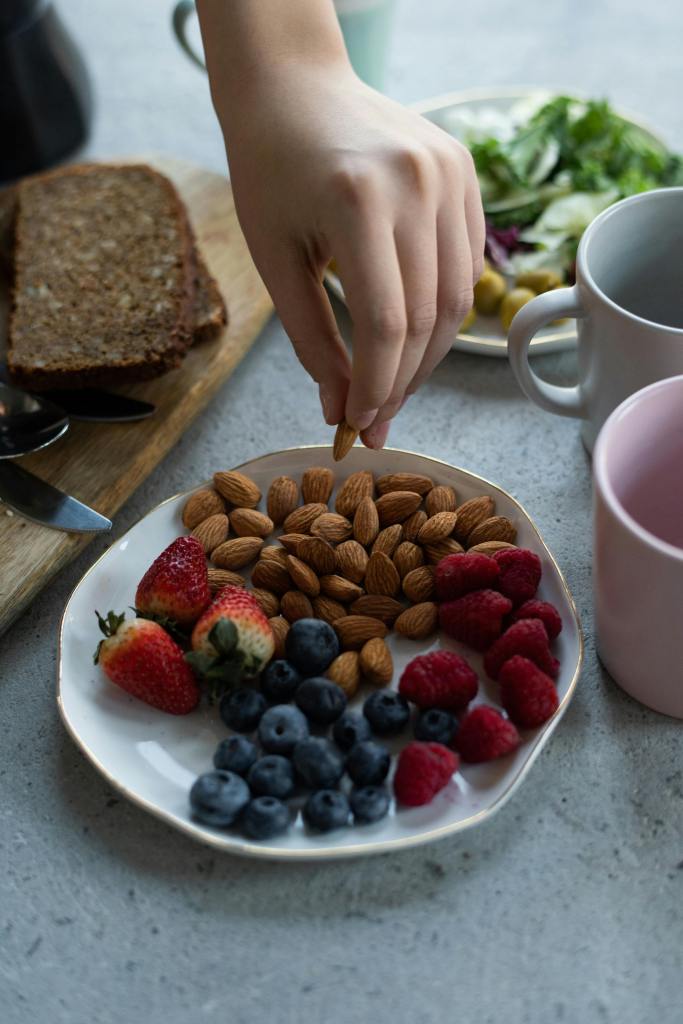
Nuts These little super foods will give you a boost of energy and also help you to stay hydrated. Be sure to choose a handful of plain, unsalted ones. It could be almonds or any other mix of your favorite nuts. Organic and raw nuts are the best choice for you. Do avoid the salted ones.
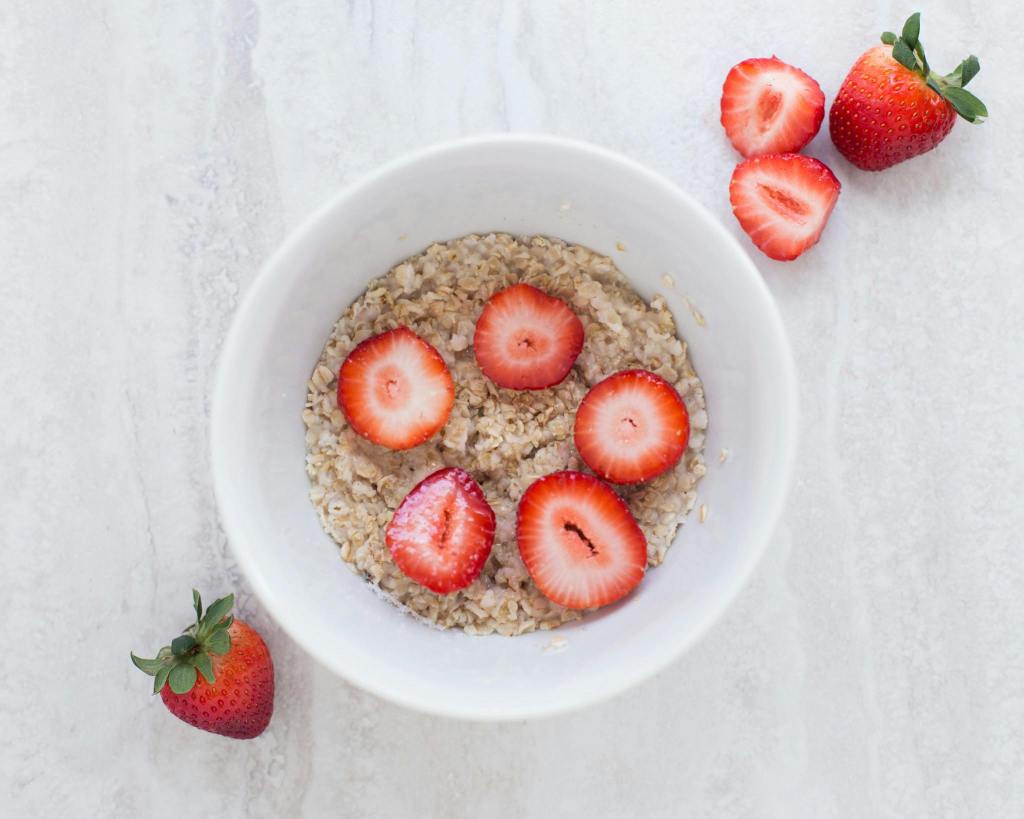
Oatmeal A bowl of oatmeal is a great idea for breakfast before yoga. Oatmeal is known for being rich in fibers and are slow digesting carbs, providing sustained energy and fulfilling your appetite for a longer time.
Dark chocolate Chocolate might have a reputation for being a calorie-rich snack, but dark chocolates can actually be a very good food to eat prior to working out. It can increase the flow of blood to your brain so you can better focus during your yoga class. It also has the chemical phenylethylamine – which stimulates the brain to release endorphins. Plus, it’s packed with caffeine which can enhance alertness.
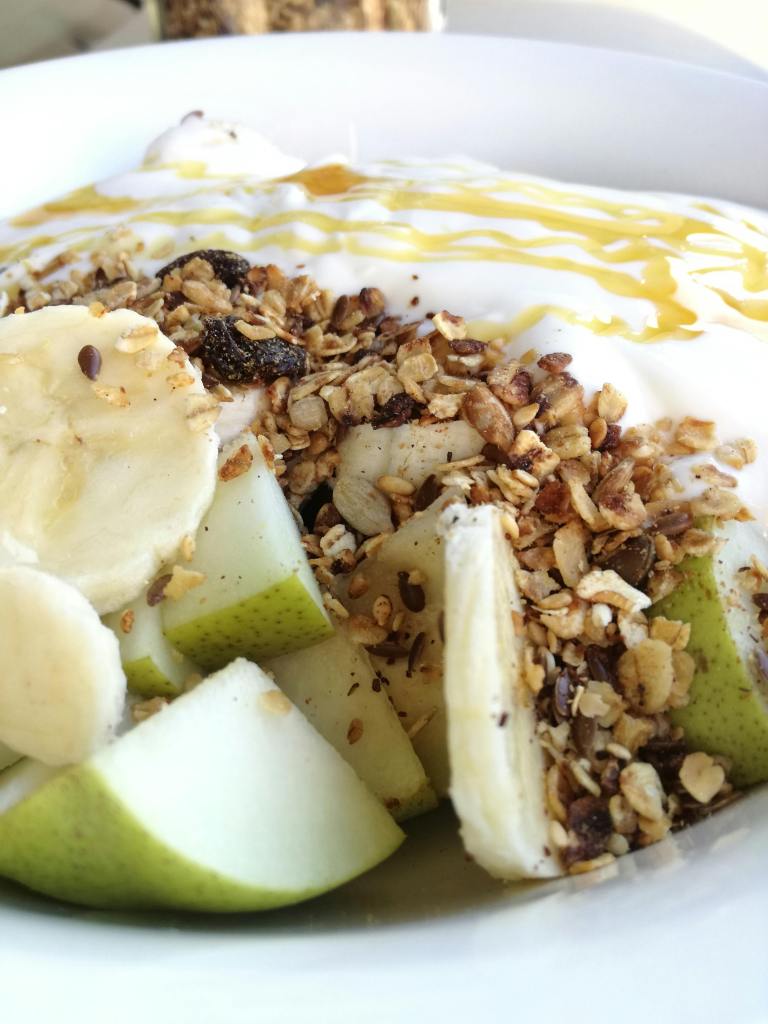
Greek yogurt As long as you are not lactose-intolerant, consuming a small serving of Greek yogurt should help you get through a yoga class. It’s rich in protein and lactose that can sustain your energy levels.
Foods that are deep-fried or loaded with sugar should be avoided entirely before a yoga session. Such foods often slow down digestion and might even make you feel lazy. Instead of having 3 heavy meals in a day, switch to 4-5 small meals. This will keep laziness at bay, keep you energized and even motivate you further to engage in a fruitful yoga session.
As you go to more classes, you can try all of these suggestions and see how you feel best. Eating, not eating, different foods and water amounts – every person will respond differently. It’s most important to listen to your body and do what works for you to get your optimal workout.

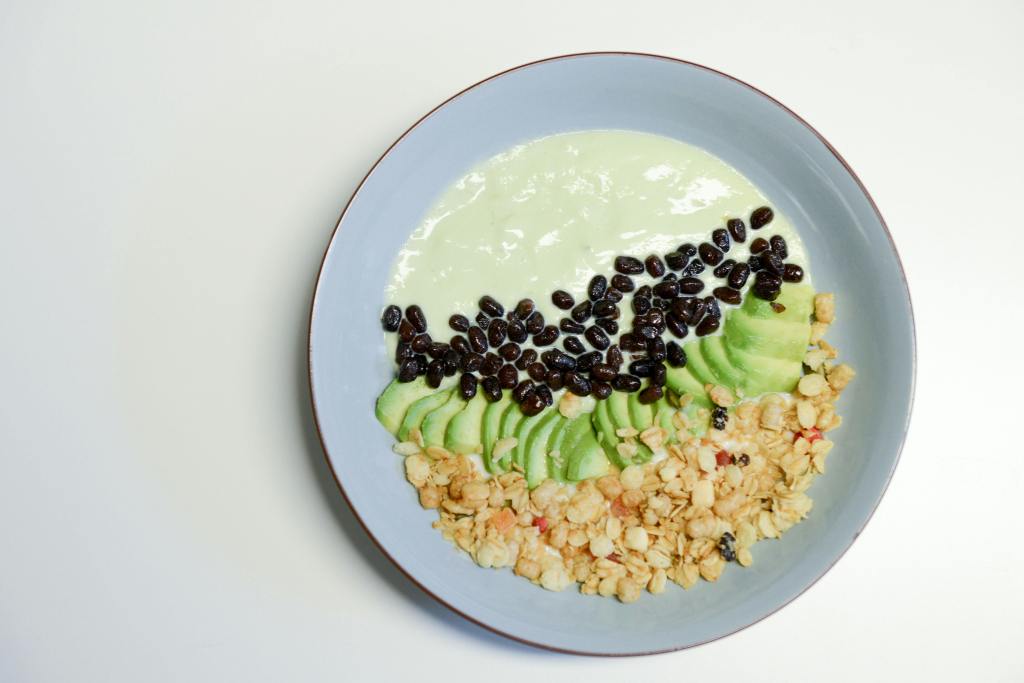
coconut water is the go-to
Whether I’m rejuvenating after yoga, hydrating after a high-intensity workout, or starting my day with an energy-boosting coffee-alternative, coconut water is the go-to.
The natural health benefits are high and the tropical flavor is delicious.
Coconut is an amazing source of Prana and is considered as a very pure sattvic food. Which means it helps increasing our subtle life energy field the same way as all Yogic practices do. However this is only for the FRESH coconut, the pasteurized and packed coconut water has already lost it’s life energy and is not considered sattvic.
You should consume local produce wherever you are in the world. Mother nature knows what to provide for you at every moment, wherever you feet may land. Coconut water is a superfood offering you myriads of health benefits. So during an intense morning vinyasa class, drinking coconut water really helps replenish some of the electrolytes lost. Better yet, drinking it an hour before your yoga class can really help keep you hydrated.
Some may need a boost of energy prior to an early morning class and coconut water is also the perfect answer.
Sweet Natural Hydration
Coconut water is a fantastic alternative to help hydrate because it is packed with high quantities of nutrients, minerals and essential electrolytes including potassium, magnesium, sodium, manganese, calcium and phosphorus.
Because of these properties, it is highly effective in not only rehydrating the body, but provides energizing rejuvenation as the body’s electrolyte balance is restored. Electrolytes are inorganic compounds that become ions in solution and have the capacity to conduct electricity.

You Should Meditate Every Day
I made meditation part of my routine and made myself stick with it.
While meditation isn’t a cure-all, it can certainly provide some much-needed space in your life.
Ray Dalio, founder of Bridgewater Associates, wrote in his book Principles: “I came to meditation in my own life during a very stressful work period that then turned into a very stressful personal period. But it freed me from so much pain. It completely inverted my entire point of view on life. I’ve been meditating consistently….and I’ve seen an exponential impact. In terms of scale, the more you do the greater the reward. More than linear.”
Marc Benioff, co-founder and CEO of Salesforce.com, mentioned in an interview with the San Francisco Chronicle: “I am very interested in keeping a clear head. So I enjoy meditation, which I’ve been doing for over a decade – probably to help relieve the stress I was going through when I was working at Oracle.”
Fred Wilson, a successful venture capitalist and co-founder of Union Square Ventures, wrote in his newsletter: “I’ve been meditating for ten to fifteen minutes every day for the past two months….I am experiencing a number of benefits but the one I am most cognizant of is an increased ability to avoid distraction in a conversation or some other situation where I need to be focused. I’ve always been good at being focused, sometimes to a fault. But I also find my mind wandering in situations where I am losing interest and that’s obviously very bad….Meditation is like repetitive exercise of the focus muscle in the brain. So if you are having trouble being present in situations you want to be but can’t, I would strongly recommend trying meditation. It’s helped me with this and I imagine it will help you too.”
Meditation is an ancient mind-body practice that can help you develop clarity and calm independent of your circumstances. These factors are important in all elements of your life, but they particularly impact you as a business owner or employee as you face the challenges and surprises of the workplace. By learning the basics of meditation, you can prime yourself for success, overcome your anxiety and get the business results you want.
THE SCIENCE OF MEDITATION
Meditation and mindfulness have been shown to ameliorate depression, high blood pressure, pain and anxiety, just to name a few. The science behind meditation points to the fact that meditation and mindfulness practices impact the hippocampus, prefrontal cortex and amygdala, which are the parts of the brain that control our memory, ability to learn new things, decision-making and fear response. In other words, you’re likely using these parts of the brain quite frequently as you complete tasks, plan ahead and confront issues with your job or company.
As we build the practice of meditation into our lives, those parts of the brain become more effective. They enhance our willingness to take risks and ease our reactions to potential stressors, both of which are desirable traits in a business owner. In fact, business owners and/or investors of highly prosperous companies, including Bridgewater Associates, Salesforce.com and Union Square Ventures, reportedly use (and love) meditation for business success.
https://www.tonyrobbins.com/how-to-focus/meditation-for-business-success/



Wondering if you can meet your need solely from plan-based sources?
As a vegan, your protein needs are the same as a non-vegan with the same training goals. However, you need to consider the quality and variety of your food sources, including the bioavailability of amino acids.
If your goal is muscle gain, you should aim for 2g-2.2g protein per kilogram of bodyweight, to compensate for the lower essential amino acid levels in vegan food.
The main challenge facing vegans lies with separating protein from other macronutrients. Animal sources of protein are much higher in protein than vegan foods. It is therefore easier for a meat-eater to drill down into their macronutrient numbers and get specific.
Vegan foods tend to be combinations of proteins and fats (nuts, seeds), or proteins and carbohydrates (pulses, legumes). This isn’t a problem, it just means you’ll need to get more creative and pay closer attention to your macronutrient numbers if you track your nutrition.
There is plenty of protein in plant foods, especially beans, legumes, pulses, grains, nuts, seeds, and some vegetables. Make sure you have a quality plant protein powder or blend to help you get enough protein in your diet. Space your meals out every 3-4 hours to ensure you get regular protein feedings.
Whilst animal-based sources of protein tend to deliver a complete balance of amino acids, vegan protein sources usually lack some amino acids. This means you should combine food sources to make sure your body gets enough of all the amino acids to stimulate muscle protein synthesis (MPS). A great example of this is approach is oats with a vegan protein powder, rice and peas, or a chilli made with various beans.
Plant-based food usually contain all the essential amino acids, but rarely have a complete spectrum or essential and non-essential amino acids, and some may be present in low concentrations.
Look out for the amounts of leucine in your vegan diet as this key essential amino acid is often deficient without animal protein, and is a crucial part of the body’s muscle building pathways. This is why adding a quality vegan protein powder into your diet is an excellent idea.
Pumpkin seeds: 30g
Peanuts: 27g
Lentils: 26g
Seitan: 25g
Kidney beans: 21g
Almonds: 21g
Tempeh: 20g
Chickpeas: 19g
Soy beans: 17g
Chia seeds: 17g
Oats: 16g
Rice: 15g
Tofu: 15g
Edamame: 13g
Buckwheat: 13g
Miso: 12g
A sample menu with plenty of plant-based protein
Protein (grams)
Breakfast
Steel-cut oats, 1 cup cooked 7
Soy milk, 1 cup 7
Blueberries, 1 cup 1
Chia seeds, 1 tablespoon 2
Almonds, 2 tablespoons sliced 3
Total: 20 g
Lunch
Extra-firm tofu, 3 ounces 8
Quinoa, 2/3 cup cooked 6
Pumpkin seeds, 1 tablespoon 3
Broccoli, 1 cup chopped 3
Total: 20 g
Dinner
Whole wheat pasta, 1 cup cooked 8
Olive oil, 2 teaspoons 0
Spinach, 1/2 cup cooked 3
White beans, 1/2 cup 9
Dark chocolate, 1 ounce 2
Total: 22 g
Snacks
Popcorn, 3 cups 3
Nutritional yeast, 2 teaspoons 3
Oatmilk yogurt, small carton 3
Orange, medium 1
Total: 10 g
Daily Total: 72 g
https://www.ncbi.nlm.nih.gov/pmc/articles/PMC6893534
https://pubmed.ncbi.nlm.nih.gov/35194768
https://www.webmd.com/diet/difference-between-animal-protein-plant-protein
https://www.mynetdiary.com/plant-based-protein-sources.html

Art of Pilates-Yoga
If you’ve never tried a Pilates class, or are wondering why you might want to have both practices in your wellness routine, read on to hear why I am so excited to be offering an hybrid yoga and mat Pilates.
One focus of both modern yoga and Pilates is spinal health; both can create more mobility and stability in the spine. Where Pilates can really elevate your yoga practice, is with its powerful focus on core stability where you learn to engage and move from your deeper core muscles. Better core stability = a safer lifelong yoga practice, and safer movement through your day-to-day life! Pilates not only helped me strengthen my core, it taught me how to consciously tap into the power there to create greater stability and better alignment. Many yogis are recognizing that Pilates is a rewarding complement to asana practice. In his book Pilates’ Return to Life Through Contrology, he wrote that age is gauged not by years but by the suppleness of the spine. He also noted that full, deep breathing is a key component to efficient movement.
“Most of the energy in yoga is out in the periphery, but in Pilates, we learn how to bring it back to the center and send it out again.”
In Pilates classes, you’ll integrate your muscles, body and breath in a different and complementary way to your yoga classes. Pilates provides a full-body workout that builds more muscular endurance by switching on stabilizing muscles that sometimes don’t get worked in a flowing yoga class. The repetitive movements of Pilates, and the fuller engagement of the deep core, will contribute to better posture, spinal health, and strength.
“If your spine is inflexibly stiff at 30, you are old. If it is completely flexible at 60, you are young. ”
– Joseph Pilates
In short, Pilates is the balancing practice of Modern Yoga to ensure a passive range of motion and muscle flexibility are balanced by more joint stability and muscular strength.
https://www.ncbi.nlm.nih.gov/pmc/articles/PMC8038747/


Macronutrients Made Simple
What are Macro nutrients?
Macro nutrients refer to carbohydrates, fats and protein — the food groups that provide the energy and nutrition for living.
Macro nutrients are the nutrients that you need in large amounts, while micro nutrients are the essential vitamins and minerals that you need in much smaller amounts.
Most foods actually contain more than one macro nutrient. To be healthy, you need to eat a variety of different macro nutrients to get the micro nutrients that you need to stay healthy.
Carbohydrates
Carbs are found not just in bread, pasta or rice, but also in vegetables and fruit.
Protein
Your body uses protein to build and repair the tissues of your body — including your muscle tissue! If you work out regularly, getting enough protein from food is essential for your recovery.
It’s still important if you don’t exercise too, as protein is important for healthy bones, cartilage, skin and blood.
Healthy fat
Eating healthy fats is another way to keep yourself feeling full for longer while getting essential micro nutrients and omega-3 fatty acids. These are important to keep your brain and hormonal system healthy so that you feel your best.
Include all three macro nutrients to be healthy
While it is up to you if you want to count your macros daily, it’s important to ensure that your portions contain a balance of all the different types of macro and micro! This will keep your body healthy inside and out, and it will also help your mood so that you have more energy and vitality in your daily life.

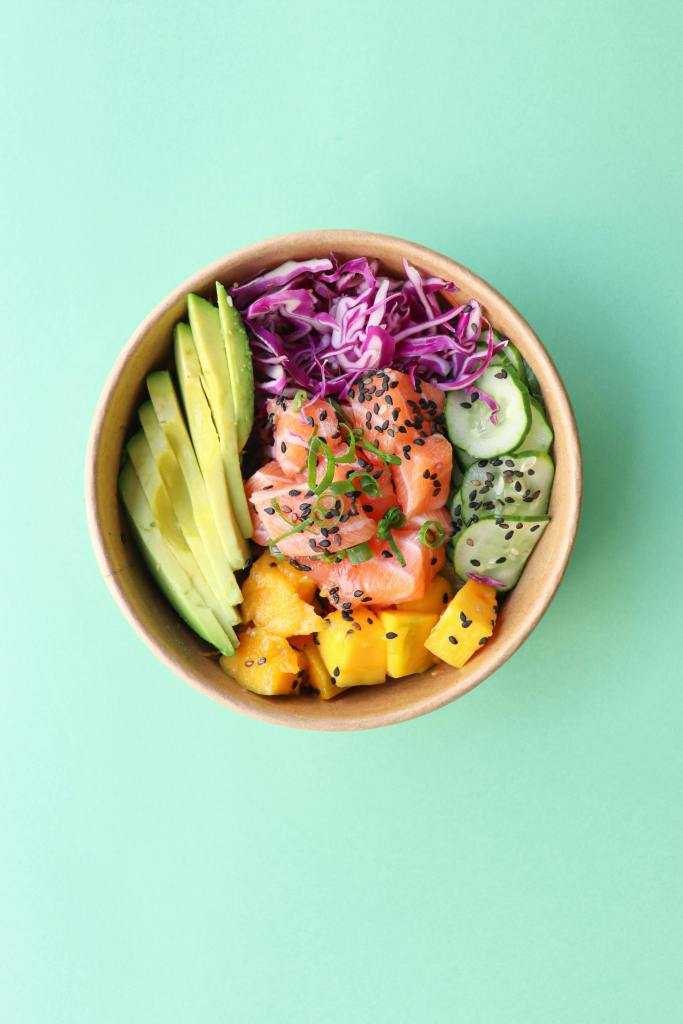
Yoga for Back Pain
Back Pain is one of the most common reasons why people visit their doctors and miss out on work.
Yoga is one of the more effective tools for helping soothe low back pain. Remember that the stretching and lengthening yoga movements are often what your low back needs to feel better, so don’t be afraid to give it a try. Talk to your doctor first about whether it’s okay to begin a yoga program if you suffer from low back pain.
Modern medical practice is moving away from the use of opioid medications and invasive procedures like injections and surgeries. So what is the preferred treatment for back pain? Exercise!
Yoga involves a series of poses and emphasizes breathing techniques. The postures teach you to stretch and strengthen your muscles, which helps reduce muscular tension, build flexibility and strength, and improve balance and bone strength.
However , it must be done with caution. one must remember that the concept behind yoga is not about dropping into a pose or aiming for a final position. It is a gradual process of building your core muscles, lengthening and strengthening the body and feeling this unified growth of body and mind.
If the proper form and movement is not practiced , it might lead to further injury.
Five Yoga Poses to Fix or Prevent Lower Back Pain
1. Pidgeon Pose
This pose stretches the hip and buttock muscles that often contribute to achy backs.
2. Plank Pose
This pose is a great way to strengthen your core, which helps in stabilizing the spine.
3. Half Lord of the Fishes Pose
Your spine is capable is moving in several directions, and this pose is a great way to gently improve your spine’s rotation.
4. Cobra Pose
By gently bending the spine backward, this pose helps to counteract the high amount time many of us spend bent forward in our day-to-day lives.
5. Child’s Pose
End your session with this pose to decompress and length the spine.
If you are new to yoga, try adding these poses to your once or twice a week!
Disclaimer: This article is for informational purposes only and should not be construed as a substitute for medical advice or treatment. Please consult with your doctor before you think of starting with yoga, if you have any pain related with your back.
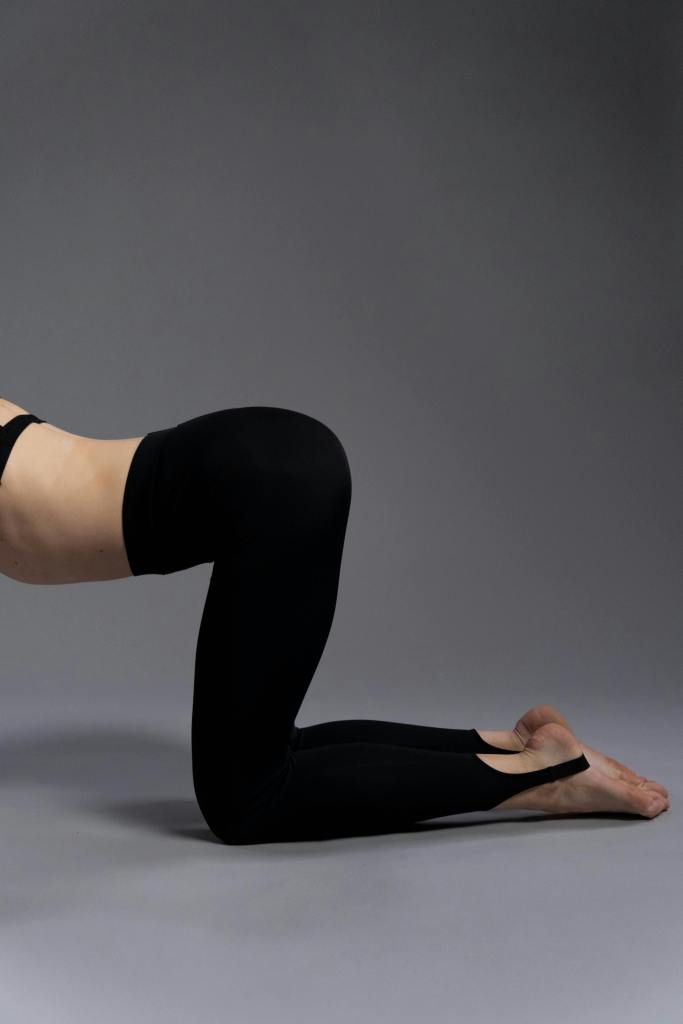
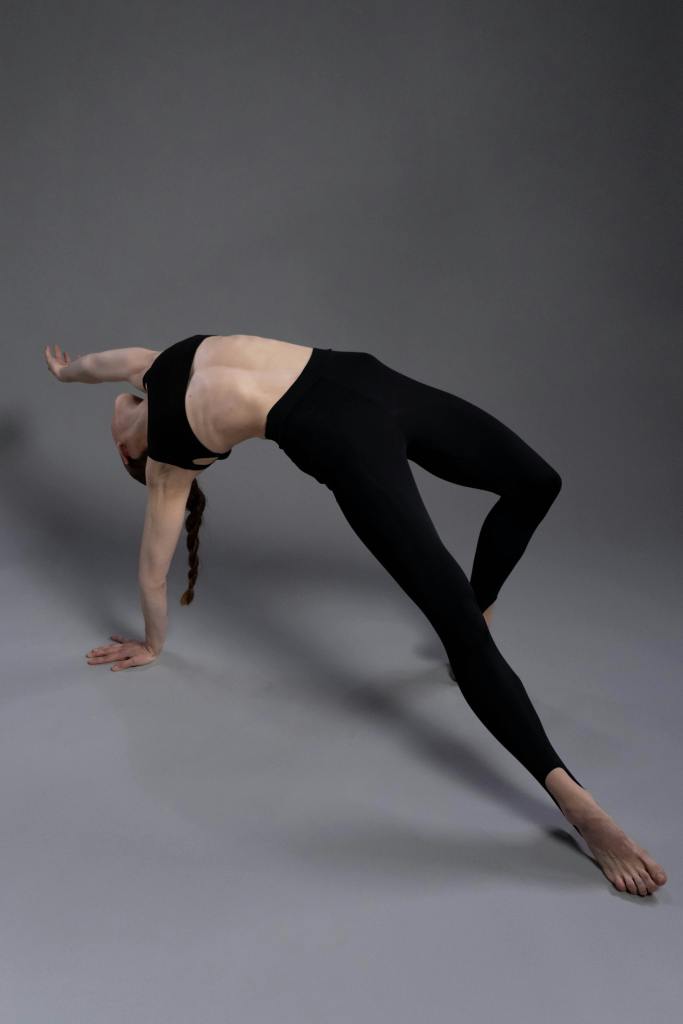
Fruit Archives WE LOVE BERRIES
No matter what type you choose, this fruit supports your overall wellbeing and your performance.
When it comes to foods that both taste great and are great for your heart, it’s hard to beat the berry. Berries of all kinds are rich in antioxidants — substances found in certain foods that help fight cell damage.
Antioxidants work everywhere in the body, including the heart!
They’re best consumed in real, whole foods!
Berries count among the most delicious and most versatile sources of these phytonutrients (plant-based chemical compounds).
“Berries are among the best sources of dietary fiber in the fruit category, and They also contain antioxidants and phytonutrients. Some varieties, such as strawberries, are even surprisingly great sources of vitamin C.”
1. They’re an all-natural anti-inflammatory
Vitamin C, quercetin (a flavonoid), and manganese function as antioxidants in the body. This and the anthocyanins (polyphenols) that lend the vibrant color to berries makes them especially powerful at combating chronic inflammation caused by stress, unhealthy food choices, and lack of or too much physical activity.
2. They might help you perform better
In addition to being anti-inflammatory, berries offer antioxidant properties that can help combat fatigue and promote recovery
3. Berries help increase satiety
Berries are also among the most filling ingredients to add to your post-workout snack or smoothie—that’s thanks to their fiber content.
Berries of all kinds feed your gut with soluble fiber, which not only helps keep you fuller longer than, say, potato chips, because its slower to digest, but also blocks the absorption of some of the fat and cholesterol in your bloodstream.
4. They lower risk for chronic diseases
Research proves that eating berries three times per week or more may lead to lower risk for type 2 diabetes and heart attacks. Adults who fall into the “overweight” and “obese” categories who eat 1 cup of blueberries each day for six months report notable improvements in heart health, reports a study published in the American Journal of Clinical Nutrition in June 2019.
5. They support your immune system
All berries come packed with vitamin C, no supplementation required, and strawberries are an especially good source.
6. They may reduce risk for certain cancers
Speaking of free radicals, the antioxidants in berries, such as anthocyanins, ellagic acid, and resveratrol, has been correlated with lower risk for several cancers, including breast cancer, cancers of the GI tract, and oral cancers.
https://www.ncbi.nlm.nih.gov/pmc/articles/PMC8747047

Probiotics: What You Need To Know
What are probiotics?
Unlike vitamins, there is no recommended daily intake for probiotics, so there is no way to know which type of bacteria or quantities are best. The general guideline is to add some foods with probiotics to your daily diet. Why are these helpful? Having a proper balance of bacteria in your gut improves digestion, blocks dangerous organisms that can cause infections, and boosts your immune system. It also helps your body absorb vital nutrients from food.
What types of bacteria are in probiotics?
Probiotics may contain a variety of microorganisms. The most common are bacteria that belong to groups called Lactobacillus and Bifidobacterium.
Looking beyond yogurt for probiotics
Yogurt is a popular probiotic food because it’s widely available, and there are different ways to consume it.
What if you are not a yogurt enthusiast, or simply want more options? Luckily, many other foods also serve up a good dose of good bacteria. They come in various flavors and textures, so odds are you will find a few to your liking.
Kefir. This yogurtlike drink has a tart flavor, with a thinner consistency than yogurt. The beverage is usually made with dairy milk, but also comes in non-dairy alternatives, like coconut water, coconut milk, and rice milk. Kefir also comes in fruit and vegetable flavors, or you can add flavors yourself like cinnamon, vanilla, and pumpkin spice. It is also an excellent base for smoothies.
Kimchi. Kimchi is a spicy, reddish fermented cabbage dish made with a mix of garlic, salt, vinegar, and chili peppers. It’s often served alone or mixed with rice or noodles. You can also add it to scrambled eggs or on top of potatoes. You can find it at most grocery stores or Asian markets.
Kombucha. This fermented tea drink has a tangy-tart flavor. Kombucha contains caffeine comparable to some other tea drinks. Some brands have added sugar, so check the label and avoid anything with more than 5 grams of sugar per serving.
Miso. A popular paste in Japanese cuisine, miso is made from soybeans fermented with brown rice. It has a strong, salty flavor, and a little goes a long way. Use it as a dipping sauce, spread over your toast, or add it to marinades for fish, meats, and vegetables.
Pickles. Not every type of pickle will do. Look for brands brined in water and sea salt instead of vinegar.
Sauerkraut. Sauerkraut is pickled cabbage and may be an acquired taste. (I am a fan thanks to my German-born grandmother, who made me Reuben sandwiches as a kid.) Use it as a hot dog topper, mix it into salads, or combine it with your regular side vegetables. Always choose raw or non-pasteurized sauerkraut. It contains more probiotics than commercial sauerkraut, which loses much of its bacteria from pasteurization.
Tempeh. Tempeh is a cake made from fermented soybeans, with a firmer texture than tofu. It is a popular meat substitute — try it as a veggie burger patty, or add to pasta sauce. Tempeh often comes precooked and ready to eat, but some brands may need cooking.
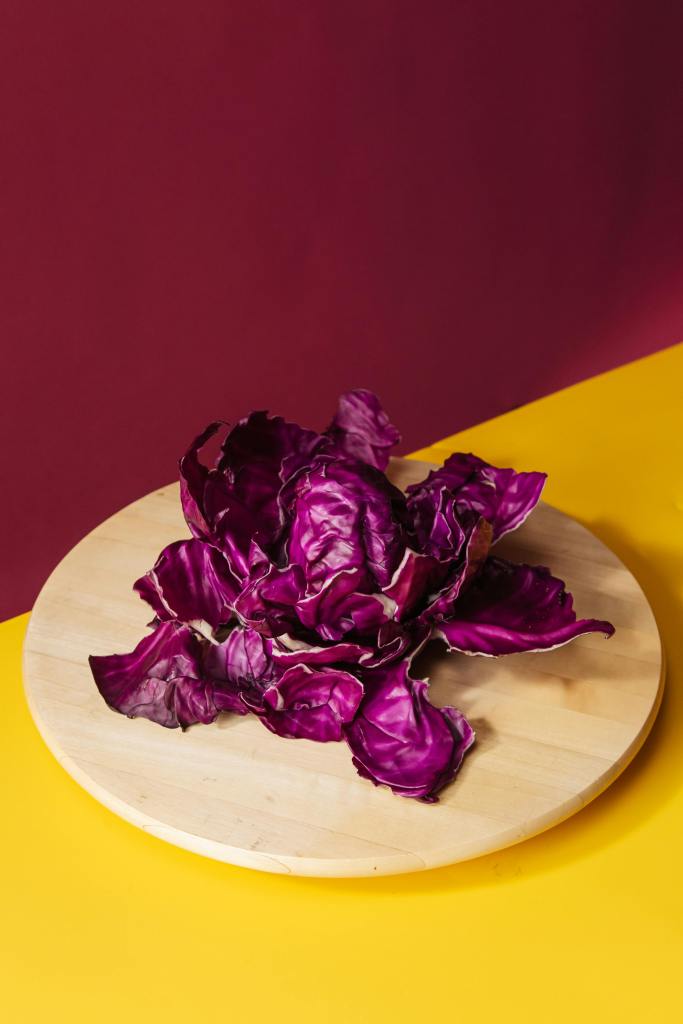

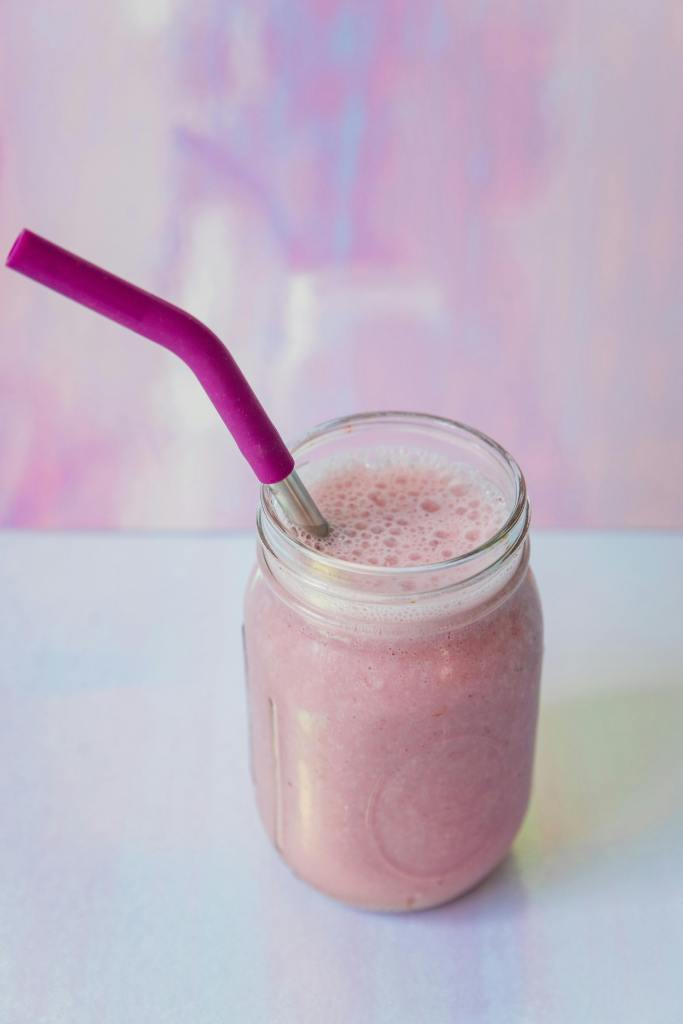
How is yoga good for your skin?
Many yogis can attest that they glow, radiate beautifully, and look younger with a consistent yoga practice. Yoga can help to reduce stress and improve overall health, which in turn can help to improve the appearance of the skin.
There are five main ways how yoga can improve your skin health.
Improved Circulation
One of the primary benefits of yoga for skin health is improved circulation. When you practice yoga asanas, you increase your heart rate and blood circulation, which in turn helps to transport essential nutrients and oxygen to your cells, including skin cells.
Stress Reduction
Stress has a major impact on your skin health, and yoga can help reduce the effects of stress on your skin. Yoga and breathing exercises help to reduce stress hormones that can lead to skin problems, such as acne and wrinkles.
Detoxification
Yoga is also beneficial for detoxification of the body, including the skin. Through cleansing breathing techniques, twisting poses and inversions, the body’s lymphatic system is activated, which helps to remove toxins from the body.
Improved Sleep Quality
The practice of yoga is not only good for your skin, but it can also help improve the quality of your sleep. Many studies have shown that yoga can help to relax the body and mind in order to reduce stress, which can lead to better sleep. Improved sleep can help reduce signs of aging on the skin due to increased rest and relaxation. Sleep helps recover and repair skin cells, giving you a more youthful glow every time you wake up from a good, restful sleep.
Boosts Immunity
One of the many benefits of yoga is improved immunity.


Flex your way to Yoga
Before we can pull our muscles every which way in our yoga poses, we have to loosen them up. Believe it or not, our flexibility is not determined by our muscles; the nervous system determines our flexibility.
Yoga for flexibility is not about pulling on our muscles until they grow longer, it’s about teaching our muscles to relax when we hit our limits. A relaxed muscle is a loose muscle, and that is where you find flexibility.
Why flexibility is important
Regularly practicing Yoga poses for flexibility have many health benefits. Stretching is a great way to increase your mobility, improve your range of motion and reduce the risk of injury. Flexible exercises are an important part of any workout routine. They help you avoid injury and keep your body limber. You should also stretch before and after workouts to prevent soreness and muscle fatigue. Stretching helps increase blood flow, improves circulation, and increases joint mobility. Flexibility is essential for maintaining a healthy spine and avoiding back problems.
Keep these flexibility tips in mind during your next yoga practice.
Play with your limits The only way to learn (and expand) your body’s limits is to play along the edge.
Use your breath With every inhale, focus on alignment and check on the integrity of your posture.
Remain calm A lot of our muscle tension comes from a fearful brain.
Stay awhile Maybe yin yoga is not your thing, but there is quite a bit of science that supports the argument that your muscles need time to relax. Staying in a pose for five breaths is good for your muscles, but stay for five minutes and you might be amazed by how much deeper your muscles relaxed at the end compared to when you started.
Some yoga postures for flexibility
Most asanas have a balance of both strength and flexibility, but there are a handful of positions that will be most helpful to increase your flexibility. These poses require minimal effort so you can focus on relaxing, breathing and relaxing into the stretch. Start with just a few of these poses each week until you feel comfortable enough to add more.
Bound Angle pose
Wide Legged Seated Angle pose
Triangle pose
Child’s Pose
Standing Forward Bend
Seated Head to Knee pose
Cat-Cow pose
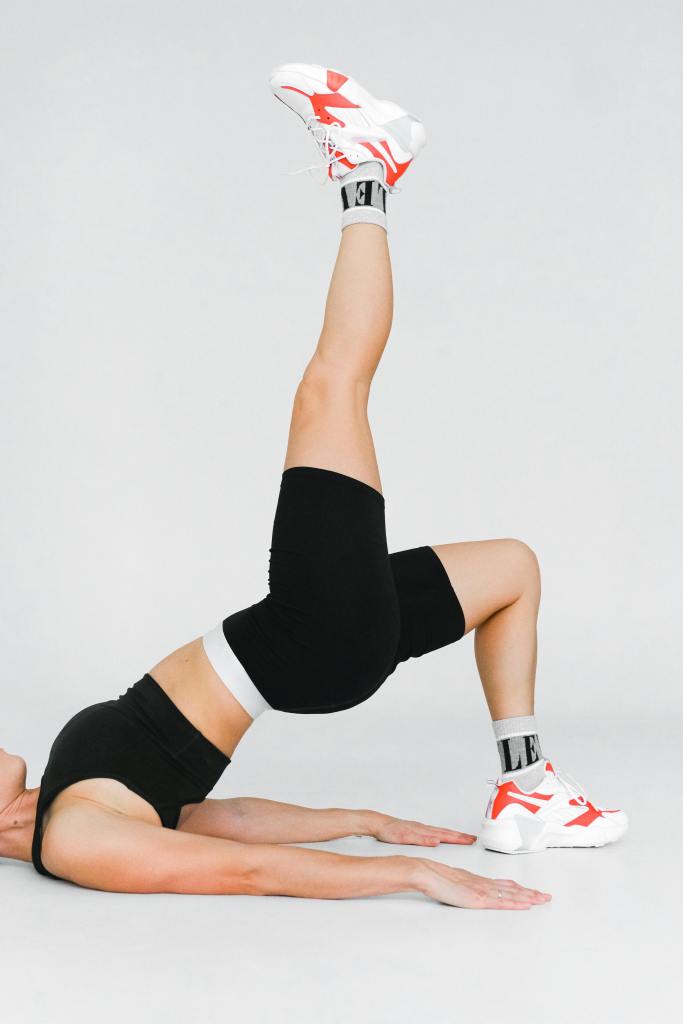
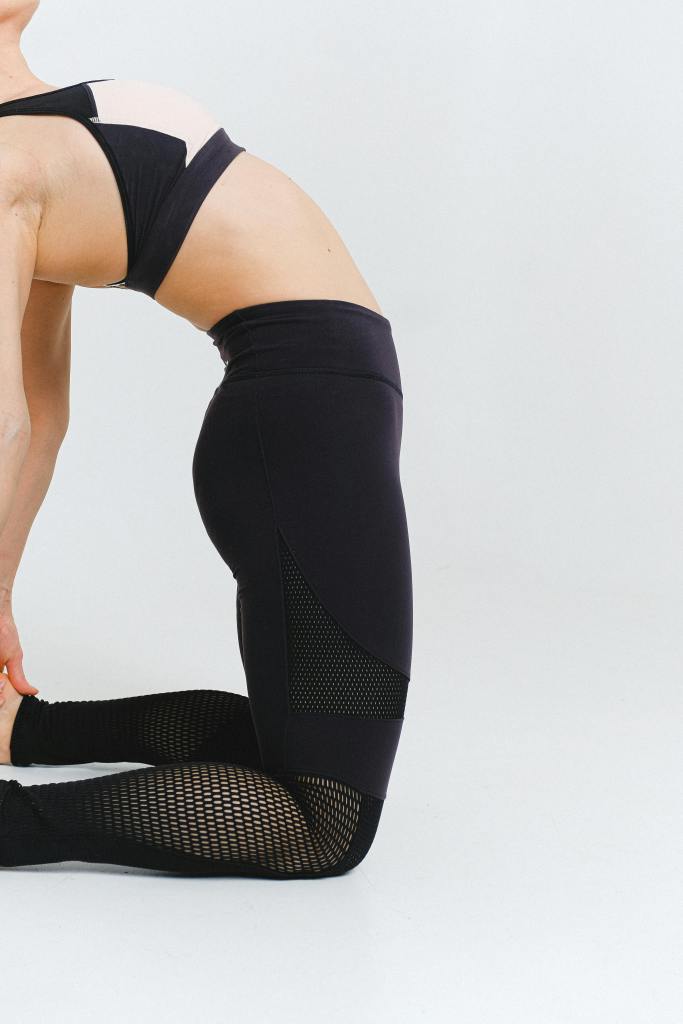
Your nose is for breathing, your mouth is for eating
Your nose is for breathing, your mouth is for eating. The only times we should really be breathing through our mouth is when we’re talking, singing, swimming or sprinting away from a legitimate threat. Even then, we should try to regulate our breathing through our nose as much as possible.
When we breathe through our mouth, we are more likely to experience snoring, asthma symptoms, allergies, congestion and anxiety, among other symptoms.
When I learned about this, I was surprised to notice how often I breathe through my mouth. It had never really dawned on me to take inventory of my breathing habits, but suddenly I noticed myself breathing through my mouth in all sorts of situations: While sleeping, in the shower, while thinking about a stressful work encounter, when exercising.
We are a culture of chronic mouth-breathing and over-breathing. There are many reasons for this, including over-eating, highly acidic diets, sedentary lifestyles, persistent stress, and our western belief is that big-breathing is better breathing. So it’s best to take inventory of these factors in our own lives and do what we can to influence them so that we’re able to breathe through our nose whenever we can, even during strenuous exercise.
Breathe light to breathe well
I encourage you to get these books and continue your research into the best ways of breathing, moving and living:
Close Your Mouth | Buteyko Breathing Clinic Self Help Manual by Patrick McKeown
The Oxygen Advantage | Simple, Scientifically Proven Breathing Techniques by Patrick McKeown


Let’s take a deeper look into the impact of fat on hormonal health.
Fat is the second most primary fuel source for the body after the primary source, carbohydrates. Fat can be broken down into: saturated, unsaturated and trans fats. Breaking these categories down further, we have the unsaturated fats: polyunsaturated (Omega-3 and Omega-6) and monounsaturated (olive oil, peanut oil, nuts, and avocado.) Our polyunsaturated fats are essential and cannot be produced by the body, meaning they must be consumed via adequate food sources.
Though Omega-3 and Omega-6 should be consumed at a 1:1 ratio, Omega-6 is far more common in the Western diet and often over-consumed, whilst Omega-3 is under-consumed.
Optimal fat intake as this is vital to ensure optimal production of hormones. Fat intake will aid in the production of cholesterol. Cholesterol (HDL) is the precursor to our sex hormones, testosterone, estrogen and progesterone. If our clients are not receiving adequate fat and cholesterol (HDL) intake is low, they may experience hormonal imbalances impacting their health. You should aim for around 0.8-1g of fat per kilogram of body-weight.
You should have a minimum amount for healthy hormonal function – and a diet which includes the optimal balance of Omega-6 and Omega-3 fatty acid intake through a variety of foods eaten each day.
https://www.ncbi.nlm.nih.gov/pmc/articles/PMC3976750
https://www.ncbi.nlm.nih.gov/pmc/articles/PMC5312216
https://europepmc.org/article/med/3480374
Stretching
Stretching is an underrated but important part of daily physical activity. Among its many health benefits, it promotes flexibility and helps your joints maintain a healthy range of motion—and in doing so, also lowers the chances of joint and muscle strain.
As you age, stretching continues to be important, even if you’re less active. Your joints become less flexible over time. Inflexibility puts a crimp in daily acts, making it harder to walk, raise your arms overhead, or turn your head while backing up the car. It undermines balance, too, which can cause life-altering falls.
As with all types of exercise, you need to engage in stretching regularly in order to reap lasting benefits. If you only stretch occasionally, the effects are shortlived.
How often should you stretch? How long should you hold a stretch? And how many times should you do each stretch?
A panel of experts convened by the American College of Sports Medicine (ACSM) reviewed a wide range of studies to help answer these questions. Based on the evidence, the panel agreed that:
Healthy adults should do flexibility exercises (stretches, yoga, or tai chi) for all major muscle-tendon groups—neck, shoulders, chest, trunk, lower back, hips, legs, and ankles—at least two to three times a week.
For optimal results, you should spend a total of 60 seconds on each stretching exercise. So, if you can hold a particular stretch for 15 seconds, repeating it three more times would be ideal. If you can hold the stretch for 20 seconds, two more repetitions would do the trick.
Stretching is an excellent thing you can do for your health. To discover simple, yet effective moves that can help you limber up for sports, improve your balance and prevent falls, increase your flexibility, and even help relieve arthritis, back, and knee pain!

What I stand for
Making fitness as SIMPLE and ACCESSIBLE so YOU feels empowered to start your own journey!
A sustainable approach to fueling your body by eating foods you LOVE without complete elimination or restriction. Yes… that does include the occasional pizza!
Staying in my lane! I’m not a physio, dietitian or a doctor. I wholeheartedly believe I should only use my platform to give advice when I am qualified to do so.
Your sessions should leave you feeling strong and empowered, rather than resentful towards your current body.
I will boosting your self-esteem during every step of their journey.
NOT letting your fitness goals get in the way of your life. Instead, integrating them into a healthy balanced lifestyle that you can ENJOY and it is sustainable.
Practicing what I preach. The things I recommend for you as a trainer are things I fundamentally believe in.

Choose a Yoga Style to fit your intention
There are many styles of yoga classes taught today. Some are very physically challenging and will leave you sweating; others are gentle and restorative. Some teachers play music in class; others don’t. Some classes include references to yoga philosophy and spirituality; others don’t.
Here are a few types of classes your yoga studio or gym may offer:
Hatha: Most yoga styles being taught in America today are a form of hatha yoga, which is a general term that refers to the physical part of yoga, rather than yoga philosophy or meditation. A Hatha yoga class is likely to be a combination of poses and breathing exercises, but it’s hard to know whether it will be challenging or gentle. Check with the school or the teacher to find more about the level of classes that are described only as Hatha yoga.
Ashtanga Yoga: This is a challenging style of yoga that is centered around a progressive series of yoga sequences that, traditionally, students practice on their own under the guidance of a teacher. If you think that yoga is not a workout, you haven’t tried an Ashtanga class. Classes include advanced poses such as arm balances and inversions including headstands and shoulder stands. Beginner students are strongly advised to study with an experienced teacher. Ashtanga classes will also often include teachings in yoga philosophy.
Power Yoga: As its name suggests, power yoga is a challenging style of yoga aimed at strength-building. These classes will include advanced poses and inversions like headstands and handstands that require a lot of strength.
Vinyasa or Flow: These classes usually consist of a fairly energetic flowing sequence of yoga poses that will include — depending on the level — advanced poses, such as arm balances, headstands, shoulder stands and handstands. Many vinyasa classes have musical accompaniment of the teacher’s choosing.
Iyengar: Love learning about how your muscles and joints work together? This is the yoga for you. Iyengar yoga focuses on the precision of your yoga poses. Iyengar classes are known for their use of props, including blankets, blocks, straps and bolsters, to help students do poses that they wouldn’t be able to do otherwise. Classes can also include ropes that are anchored to the walls to do inversions and other poses. They also tend to include breathing exercises and references to yoga philosophy.
Bikram or Hot Yoga: Like the heat? Bikram yoga is a set series of 26 poses performed in a room heated to 105 degrees, which is said to allow for deeper stretching and provide for a better cardiovascular workout. Unlike most yoga classes, Bikram classes are always done in rooms with mirrors. Hot yoga refers to any yoga class that is done in a heated room — generally from 80 to 100 degrees.
Restorative Yoga: If you are looking for a little more relaxation from your yoga class, restorative yoga is for you. This yoga style usually involves a few restful poses that are held for long periods of time. Restorative poses include light twists, seated forward folds and gentle back-bends, usually done with the assistance of many props, including blankets, blocks and bolsters.
Yin Yoga: Looking for a new kind of stretching experience? Yin yoga is aimed at stretching the connective tissue around the pelvis, sacrum, spine and knees to promote flexibility. Poses are held for a longer amount of time in yin yoga classes, generally from three to five minutes. It is a quiet style of yoga, and will quickly show you how good you are at sitting still.
Note: It’s a good idea to try several yoga classes. How much you enjoy any class will come down to how much you like the teacher, not how it’s labeled.


Not all yoga mats are created equal.
A yoga mat may not seem super complex, but there’s a lot to consider before buying one, according to experts we spoke with. A good mat should be comfortable and supportive and provide enough cushioning that you feel good when laying, sitting or standing on it. Not all yoga mats are created equal. Not only can yoga mats provide cushioning and grip as you move from Downward- facing Dog to Child’s Pose, yoga mats are also great for a variety of other workouts including stretching and Pilates.
A quick look at the best yoga mats
- Best overall: Manduka PROlite 4.7mm
- Best thick yoga mat: Gaiam Premium Yoga Mat
- Best foam yoga mat: Balance From GoYoga All-Purpose Yoga Mat
- Best sustainable yoga mat: JadeYoga Harmony Mat
- Best for hot yoga: Alo Warrior Mat, Manduka GRP Hot Yoga Mat 6mm
- Best nonslip mat: Lululemon The Reversible Mat 3mm
- Best for travel: Manduka eKO Superlite Travel Yoga Mat 1.5mm
- Best for restorative yoga: Jade Yoga Fusion Mat
- Best budget-friendly yoga mat: Yogamatters Sticky Yoga Mat
- Best printed yoga mat: Jollie The Plush Mat
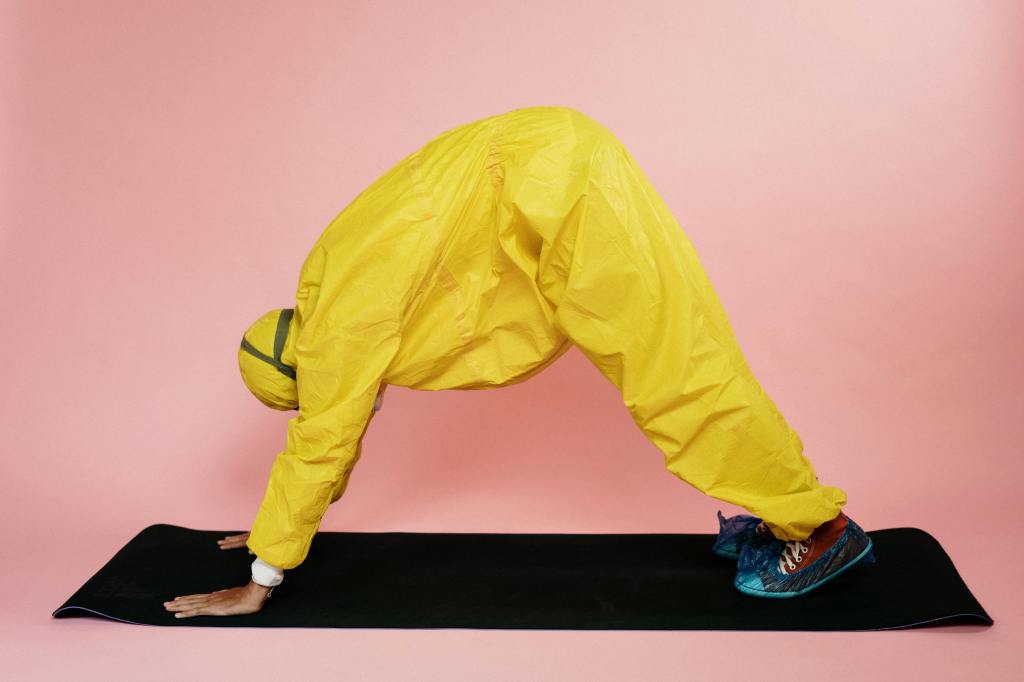

If you want to get into yoga step-by-step and through informative
videos, then check out Cathy Madeo, the Yoga Expert. Join her TikTok
following of 286.2k followers and learn all about yoga. She makes
‘how to’ videos of yoga and small workout videos that help
beginners. If you’re looking for core workouts for beginners,
that’s also available on her account.
Tiffany Crow
@tiffanycrowwTiffany Crow, also famous as “FatYogi” on TikTok, has a
following of 395.8k fans, and her content is helpful, engaging, and
fun. She is an extremely humble TikTok influencer who brings humor
and body positivity to all her content. She creates three-minute
videos to help people with yoga.
Zacharia Zenios
@zenergyfitSwitching up to some male yogis on TikTok, Zacharia Zenios is a
friendly yoga, health, and fitness enthusiast on TikTok. He’s
creating a space on TikTok for men who are interested in yoga, and
his yoga flows are helping out his 51.3k followers. He produces easy
routines for yoga beginners, and his informative videos are perfect
for everyone.
Faustine Chef
@fau.yoga
Faustine is a yoga influencer on TikTok with a mission. She
switched to TikTok to raise awareness amongst today’s generation
about the importance of yoga. She produces little tutorials and helps
out her 33k followers with amazing yoga poses.
So there you have it—a small rundown of the yoga community
thriving on TikTok and the leading figureheads who are changing the
virtual world of yoga. With the youthful viewership on TikTok trying
out yoga challenges, the yoga evolution continues.



GYM NEWBIE GUIDE
Everyone starts somewhere. Yep, even that guy or girl in the gym lifting those heavy weights and making a 10K run look like a walk in the park was a beginner once.
Nobody expects you to walk into the gym and know everything straight away so, don’t be afraid to ask for help if you need it (most people will probably be flattered that you asked).
FOCUS ON SIMPLE, COMPOUND MOVEMENTS
PERFECT YOUR POSTURE
Similarly, you want to make sure that you’re performing each exercise safely and effectively.
REMEMBER NO ONE IS JUDGING YOU
When you first start training, it’s easy to feel like everyone is watching and judging your every move. However, the reality is that no one really cares.
DON’T EXPECT A MIRACLE
Sustainable progress is usually slow, so don’t be disheartened if you’re not seeing results straight away – give it time!
Don’t compare your start to someone else’s final destination. Of course, use them as inspiration, but don’t let it get you down.
You don’t have to be doing it like them; you can do it like you!
NEVER FEEL LIKE YOU SHOULDN’T BE THERE.
Whether you’re curling 2kg dumbbells or 20kg dumbbells, every single person has a right to be in the gym.
If you’re feeling a little nervous about going into the gym on your own, classes are a really good stepping stone and will help you build up your fitness levels and get used to being in the gym environment.
GO AT YOUR OWN PACE
You don’t have to spend hours and hours in the gym lifting heavy weights.
DON’T NEGLECT GOOD NUTRITION
Your fitness journey does not end when you leave the gym.
What you are fueling your body with is also important and should not be neglected. Make sure you are giving your body enough to get through your sessions, while also eating a healthy, balanced diet that you can maintain.


Food Myths Debunked
Myth: Throw away the egg yolk.
I fully support eating the whole egg. Fad diets based on pseudoscience…not so much.
Also, there’s tons of nutrients in the egg yolk! Not only does the yolk contain more than 40% of an egg’s protein, but it also contains the nutrients choline and lutein, which are associated with cognitive function and eye health. The yolks also house 100% of the egg’s fat-soluble vitamins A, D and E, as well as 100% of the eggs vitamin B12, B6, iron, and zinc.
It’s got triple the calories of the white, almost as much protein, and a wide range of nutrients including:
- Choline: Choline is an essential vitamin-like nutrient that plays a number of important roles within the body, including the production of the crucial neurotransmitter acetylcholine. Choline is also a major player in lipid metabolism and helps to increase neurotransmitter production.[7] It just so happens that eggs are one of the best sources of choline.
- Vitamin D: This fat-soluble vitamin offers far too many health-supporting and muscle-building benefits to list here. Unfortunately, it’s hard to find in food sources without enrichment.[8] For this reason—and because we don’t get enough time in the sun—deficiencies are rampant, which can have serious health implications, particularly on the immune system. Egg yolks won’t solve the problem on their own, but they’re an important part of a multifaceted approach.
- Additional fat-soluble vitamins: Egg yolks are also a solid source of vitamins A, E, and K, all of which require adequate dietary fat for absorption. You’ve no doubt heard that taking your daily multivitamin with a meal is a great way to optimize absorption. Yolks are like a multivitamin all on their own—or a great way to make sure yours is working.
Within the general population, eggs can be enjoyed as part of a healthy balanced diet (with historic restrictions on consumption levels removed in more recent iterations of dietary guidelines) and can be beneficial for weight-loss as well as a cheap nutritious source of protein. Restrictions on total dietary cholesterol as a whole are indicated only in very specific high-risk groups, e.g. hyper-absorbers and those with FH whilst more research is required in individuals with diabetes.
https://www.ncbi.nlm.nih.gov/pmc/articles/PMC10495817



Myth: Eat after 8 and you’ll gain weight.
I understand where this myth comes from. The problem is undereating during the day, not “overeating” at night. The solution isn’t putting a cap on eating at night – it’s learning to fuel your body adequately and appropriately during the day, so you can make rational decisions at night that aren’t driven by primal hunger.
While this myth has lots of variations, the main idea is that at night, your body isn’t using energy, so your meal will get stored as fat.
The above findings support other similar studies in adults, which, contrary to popular opinion, have consistently shown that there is no direct link between what time you eat and weight gain.
From a metabolic viewpoint, a calorie eaten at breakfast is equal to a calorie consumed after the watershed. Weight gain will occur if you consume more calories than you burn, irrespective of the time at which you consume them.
‘Overall calorie consumption, overall movement patterns and quality of calories consumed such as more from fruits, vegetables, wholegrains and dairy, and less from highly refined, sugar and fat added foods, are all areas that have a much more significant impact to your health.’
Besides the extra calories, eating too close to bedtime can have other health implications such as digestive issues. When sleeping, our digestion naturally slows down as our metabolism enters a resting state.
Lying down in bed immediately after eating can lead to symptoms such as indigestion, acid reflux and heartburn. This is commonly triggered by high-fat and spicy foods, which should be avoided in the evening if nighttime digestive discomfort is experienced.


Myth: Chocolate gives you acne.
no studies (5) have ever shown chocolate causes acne. In fact, there’s not a lot of evidence any specific foods can either cause or cure acne.
Dark chocolate benefits are numerous!!! Flavanols are a type of flavonoid that’s found in plants such as the cacao tree. These trees produce the cacao beans used to make chocolate. “Flavanols are abundant in cacao beans,” says Peart. “The cacao beans are fermented and roasted, producing what we call cocoa beans. We make cocoa solids from those.”
Dark chocolate “contains two to three times more flavanol-rich cocoa solids as compared to milk chocolate,” Peart adds. “It’s significantly higher.”
That’s a huge health benefit for your heart. Flavanols are related to the production of nitric oxide, which relaxes your blood vessels and improves blood flow. In turn, this also lowers blood pressure.
Dark chocolate is packed full of important minerals, including iron, magnesium, zinc, copper and phosphorus. In your body, these minerals are used to support factors such as immunity (zinc), can help keep your bones and teeth healthy (phosphorus), and contribute to better sleep quality (magnesium). The antioxidants in dark chocolate improve blood flow to your skin and protect it from sun damage. Good news: If you feel better after eating dark chocolate, there’s a scientific reason for that. Dark chocolate has long been associated with feelings of pleasure and enjoyment. Those feelings may originate from what are called polyphenolic compounds.
https://www.health.harvard.edu/womens-health/dont-fall-for-these-skin-myths

Myth: Fresh is better than frozen
Frozen fruits and vegetables are simply made by flash freezing produce immediately after harvesting. Because the produce is preserved at peak freshness, there may actually be more nutrients than in fresh, depending on the season. However, many people incorrectly believe that frozen vegetables are much less nutritious than fresh vegetables. There still seems to be some controversy about if frozen vegetables are healthy, and how they stack up to fresh produce. We have the answers on what to choose and when. Frozen vegetables may be even more healthful than some of the fresh produce sold in supermarkets. A 2017 study found that there were no significant differences in vitamin content between frozen and fresh vegetables. Furthermore, when there was a slight difference, it was more likely that the frozen vegetables had a higher concentration of nutrients than their fresh counterparts. Favorite options are broccoli, peas, corn, cauliflower, Brussels sprouts and squash.



References:
1. McNamara DJ. The impact of egg limitations on coronary heart disease risk: do the numbers add up? J Am Coll Nutr. Vol 19(5 Suppl) 2000:540S.
2. Kim, Jung, and Wayne Campbell. “Dietary Cholesterol Contained in Whole Eggs Is Not Well Absorbed and Does Not Acutely Affect Plasma Total Cholesterol Concentration in Men and Women: Results from 2 Randomized Controlled Crossover Studies.” Nutrients, vol. 10, no. 9, 2018, p. 1272.
3. Pearce, Karma L., et al. “Egg Consumption as Part of an Energy-Restricted High-Protein Diet Improves Blood Lipid and Blood Glucose Profiles in Individuals with Type 2 Diabetes.” British Journal of Nutrition, vol. 105, no. 04, 2010, pp. 584–592., doi:10.1017/s0007114510003983.
4. Blesso, Christopher N., et al. “Whole Egg Consumption Improves Lipoprotein Profiles and Insulin Sensitivity to a Greater Extent than Yolk-Free Egg Substitute in Individuals with Metabolic Syndrome.” Metabolism, vol. 62, no. 3, 2013, pp. 400–410., doi:10.1016/j.metabol.2012.08.014.
5. Kucharska, Alicja, et al. “Significance of Diet in Treated and Untreated Acne Vulgaris.” Advances in Dermatology and Allergology, vol. 2, 2016, pp. 81–86., doi:10.5114/ada.2016.59146.
Protein Power
Protein is a core macronutrient that aids with muscle growth and repair. If we’re not eating enough protein, staying healthy and recovering after illness or injury becomes more difficult.
Protein is a macronutrient that makes up the foundation of the food we eat. Proteins are made up of amino acid chains which help with the cell regeneration which is necessary to keep us alive.
The foods we eat vary in the quantity of protein they possess, making it important to understand your requirements and how much protein you should be eating.
For an example of what protein does on a daily basis, see below:
- Making up and repairing the structure of every cell and tissue formation in the body
- Hormone production and regulation
- Transporting nutrients around the body
- Muscle growth
- Regulating the blood clotting process
- Appetite regulation
- Slowing stomach emptying
- Regulating the release of appetite hormones
What are amino acids?
When digested, protein is broken down into amino acids. There are 20 different types of amino acids, 9 of which are essential. This means you need to get these 9 from the food you eat. The other non-essential amino acids are made in the liver.
When digested, amino acids are broken down and reordered in a way that allows the body to use them for the essential functions listed above.
Are all protein sources the same?
Whole sources of protein (when protein is the main macronutrient, as opposed to carbs or fats) are eggs, beef, tofu, fish, chicken, turkey and cottage cheese.
Protein can also be rated depending on its digestibility and the availability of amino acids inside the protein.
The greater the amount of consumed protein the body can use for maintenance and growth, the higher the score. Eggs, meat, fish, whey protein and soya score very high on these measures so should ideally be prioritised where possible.
This shows why it’s not just about getting a lot of protein into our diet. It’s also important to think about the quality of the protein we eat to meet this number.
Are protein powders effective?
Protein powders are a great way to supplement your protein intake if you are training heavily and want a quick and easy protein source.
As the industry develops, we now have access to a variety of protein powders including whey, casein, pea, and soya variations.
If you’re looking for ways you can use your protein powder outside of traditional shakes, try adding it to porridge, smoothie bowls, fruit and nut bars, overnight oats, pancake mix, or Greek yogurt.
Considerations for vegetarians and vegans
If you are vegetarian or vegan, there are some things you need to take into consideration when thinking about your protein intake.
Only a few sources of plant-based proteins are complete proteins (proteins that contain all the essential amino acids). These include soya, tofu, tempeh, and quinoa. For vegetarians, you can add eggs and dairy to this list.
This means vegans and vegetarians need to know how to pair complementary proteins together to make sure they are getting all essential amino acids in their diet.
If you’re vegetarian or vegan and are concerned about your protein intake, make a conscious effort to get as many different protein sources into your diet as you can.
Examples include of complementary pairing include:
- Rice & legumes (e.g. lentil & spinach dhal with wholegrain rice)
- Legumes & grains (e.g. chickpeas, quinoa and roasted veg)
- Nuts/seeds & legumes (e.g. roasted chickpea and walnut salad)


Why You Should Try Yoga
What is yoga, and why is it so popular? Yoga is a series of stretches and poses that you do with breathing techniques. It offers the powerful benefits of exercise. And since yoga is gentle, almost anyone can do it, regardless of your age or fitness level.
Yoga is a 5,000-year-old discipline from India. It was developed as a practice to unite the mind and body. There are many branches of yoga. All yoga styles can help balance your body, mind, and spirit. But they achieve it in various ways.
Some yoga styles are intense and vigorous. Others are relaxing and meditative. No matter which type you choose, yoga is a great way to stretch and strengthen your body, focus your mind, and relax your spirit.
Benefits of yoga
Yoga can make you stronger and more flexible. It’s a great way to stay limber and energetic. You’ll also feel more focused and alert. And yoga can help you feel great and function better in your daily life. Yoga can also help improve these conditions:
- Poor blood circulation
- High blood pressure
- Arthritis
- Osteoporosis
- Limited mobility
- Low back pain
- Trouble breathing
- Headaches
- Tension or stress
- Depression
Yoga’s gentle movements are a big reason for why it’s so popular. Yoga is good for people who haven’t been active in a while. It’s good for people who have certain health conditions like arthritis or osteoporosis. You can change the exercises to fit your needs. But yoga is also great if you’re already fit and want a challenging workout. As you become more strong and flexible with yoga, it’s easier to do other kinds of exercise like dancing, walking, or swimming.
Yoga can help you:
- Reduce your risk for injury. Each yoga pose targets certain muscles. This helps you increase your flexibility and reduce your risk for injury.
- Reduce stress. Yoga can help soothe the mind and lower stress levels. It does this by focusing the mind on the moment and the movements.
- Increase your concentration. A main part of yoga is rhythmic, focused breathing. This can help you focus.
- Understand the mind-body connection. Yoga requires you to focus all your energy on each movement or pose exactly. This can help you feel the mind and body work together.
- Gain strength and stamina. More vigorous styles of yoga promote strength and stamina.
- Improve balance and stability. Balancing poses require you to use your core muscles. This can help you improve your overall stability.
- Improve posture. Yoga poses strengthen and open tight areas of the body like the shoulders and muscles of the upper back. This can help you keep good posture.
- Develop body awareness. Yoga requires you to contract or relax certain muscles as you stretch into each pose. This can help you become more aware of your body’s strengths and weaknesses.
Types of yoga
You have many types of yoga to choose from. They use different kinds of movements called poses. You may prefer a certain type, depending on your goals and fitness level:
- Hatha yoga. This form of yoga is the most popular in the U.S. It’s known as the yoga of force. It emphasizes strengthening and purifying the body. It involves physical postures (asanas) and breathing techniques (pranayama).
- Iyengar yoga. This style of yoga focuses on alignment. It is fluid and dancelike. It uses props like wooden blocks, straps, chairs, bolsters, and blankets to help you achieve and hold postures you otherwise couldn’t hold.
- Ashtanga yoga. This kind of yoga is sometimes called ashtanga vinyasa or power yoga. It’s intense and fast-paced. It’s designed to build your endurance and strength. You do a series of postures in 1 continuous, flowing movement. You link the motions to breathing patterns.
- Bikram yoga. You do this form of yoga in a very hot room, unlike many other types of yoga. Bikram yoga involves a set of 26 postures that you practice twice per session. First you do standing and balance poses. Then you do back bends, forward bends, and twisting postures.
- Restorative yoga. This type of yoga does not use active postures. It focuses instead on the relaxation part of yoga.
- Kripalu yoga. This is a gentler, slower-moving style of yoga. It’s between restorative yoga and the more vigorous forms.



Nutrition is one of the most important modifiable factors that can be targeted to promote health and reduce disease risk throughout the lifespan. A healthy diet consumes energy and nutrients appropriately to meet the body’s needs without reaching excess. Nutrients (macronutrients and micronutrients) are essential compounds required to sustain life. Macronutrients (protein, carbohydrates, and lipids) are required in large amounts to provide energy, produce hormones, synthesize molecules, and regulate metabolic pathways. Micronutrients are needed in trace amounts for biochemical processes such as gene transcription, enzymatic reactions, and protection against oxidative stress.
An adequate micronutrient intake is needed to support metabolism and physiological processes
Two main classifications of micronutrients are vitamins and minerals, each with different effects and considerations for human health.
Vitamins are organic compounds classified as essential nutrients because the body cannot synthesize them, and they must be obtained through the diet.
Minerals are essential inorganic micronutrients that play an important role in enzymes’ structure or catalytic properties and participate in cellular energy transduction, second-messenger pathways, and acid-base balance.
Why Micronutrients Matter
Micronutrients,are vital to healthy development, disease prevention, and well-being.
We only need small amounts of micronutrients, but getting the recommended amount is important. Micronutrient deficiencies can have devastating consequences. Here are six essential micronutrients and why they are important to our health.
Iron helps develop the brain of a fetus and child. Iron deficiency is a leading cause of anemia. Severe anemia during pregnancy can result in poor fetal growth, preterm birth, or low birth weight. Anemia during pregnancy also increases the risk of death for both the mother and baby. In addition, iron deficiency limits physical productivity and work capacity.
Folate is a general term for many different forms of vitamin B9, which is essential in the earliest days of fetal growth. Folic acid, the form of folate found in supplements and fortified foods, is the only form shown to prevent serious birth defects of the brain, spinal cord, and skull. These birth defects are often preventable if women get enough folic acid before and during early pregnancy.
Vitamin A supports healthy eyesight and immune system functions. Children who are deficient face an increased risk of blindness and death from infections such as measles and diarrhea.
Iodine is also required during pregnancy and early infancy for brain and cognitive development. Iodine deficiency can lead to developmental delays and is the most common cause of preventable mental retardation.
Zinc promotes immunity, resistance to infection, and proper growth and development of the nervous system. This mineral is also important for healthy pregnancies.
Vitamin D is essential for bone health as well as muscle and nerve functions. Vitamin D also helps the immune system fight off bacteria and viruses.
https://pubmed.ncbi.nlm.nih.gov/31963293
https://www.ncbi.nlm.nih.gov/books/NBK597352
https://www.ncbi.nlm.nih.gov/pmc/articles/PMC2585731

Can products marketed as immune boosters actually boost immunity?
‘Food first’ and ‘no needle’ messages need to be amplified
Unless you have a deficiency in a key nutrient, such as vitamin C or zinc, the short answer is no. That is, there’s no convincing evidence that any particular product meaningfully improves immune function in healthy people. For example, results of studies looking at various supplements for colds and other similar infections have been mixed at best. Even when taking a particular supplement was linked to reduced severity or duration of an infection like a cold, there’s no proof that the supplement boosted overall immune function.
This goes for individual foods as well. None has ever been shown to improve immune function on its own. It’s the overall quality of your diet, not individual foods, that matters most. A similar approach applies to advice on foods you should avoid, such as sugary drinks or highly processed meats: the best foods to avoid in support of your immune system are the same ones you should be limiting anyway.
How to get the most out of your immune system
It’s not a secret and it’s not a product. What’s good for your overall health is good for immune function.
The best ways to keep your immune system at peak performance are:
Eat well and follow a heart-healthy diet.
Exercise regularly and maintain a healthy weight.
Don’t smoke or vape.
If you drink alcoholic beverages, drink only in moderation.
Get plenty of sleep.
Minimize stress.
Get regular medical care.
Take measures to prevent infection
This list probably looks familiar. These measures have long been recommended for overall health, and can do a lot to help many of us.
Perhaps there will come a time when we’ll know how to boost immune function beyond following routine health measures. That’s simply not the case now. Until we know more, I wouldn’t rely on individual foods, detox programs, oral supplements, or on-demand IV drips to keep your immune system healthy, especially when there are far more reliable options.
Regular exercise is one of the pillars of healthy living. It improves cardiovascular health, lowers blood pressure, helps control body weight, and protects against a variety of diseases. But does it help to boost your immune system naturally and keep it healthy? Just like a healthy diet, exercise can contribute to general good health and therefore to a healthy immune system.
‘Food first’ and ‘no needle’ messages need to be amplified
Intravenous (IV) nutrition, which used to be considered a treatment of ‘last resort’, is threatening to become the norm for competitive athletes, despite no scientific evidence that it works or that it is safe, warn experts in an editorial, published online in the British Journal of Sports Medicine.
So-called ‘drip bars’ and concierge IV nutrition services claim to boost health and performance, restore hydration, and speed up recovery, offering a menu of B vitamins, amino acids, glutathione, vitamin C and electrolytes, and potentially boosting levels beyond any therapeutic range.
Not regulated by the FDA
It’s important to know that IV lounges and drip bars are not regulated by the Food and Drug Administration.
“The marketing has gotten way out ahead of the science”


Mixed Berry Smoothie
This smoothie is just sweet enough and full of berry flavor. If you’re vegan, blend a little silken tofu and vegan protein powder. Frozen or fresh berries will work—you may want to add a little ice if you use unfrozen, fresh fruit.
Smoothies are the favored way to enjoy berries, be they fresh or frozen. You can make this mixed berry smoothie when berries are in season and fresh blackberries, blueberries, raspberries, and strawberries are readily available. But frozen berries are just as suitable—purchased or home frozen.
This recipe makes a single smoothie, but it easily doubles or triples or more; the batch limit depends only on the size of your blender. Most importantly, this recipe is more of a template. Despite the term “mixed berry,” you should feel free to use just one type of berry if that’s what you like or what you have on hand.
Berry Smoothie Ingredients
These are the basic, simple ingredients you need to make the smoothie, but you can make any additions that you want to customize this simple smoothie.
- Fresh berries – You can also use a frozen variety if you prefer. You can use one variety or you can use mixed berries.
- Unsweetened milk – Use dairy milk or a plant-based milk like almond milk, soy milk, or oat milk. You can also use a sweetened or flavored version.
- Vanilla Greek yogurt – Use whichever brand you prefer; you can also use a fruity yogurt or plain Greek yogurt.
- Vanilla protein powder – This will add vanilla flavor as well as provide plenty of high-quality protein.
- Honey or agave nectar (optional) – These sweeteners balance the smoothie.
- Ice – Remember that you can omit this if you choose to use frozen berries.
Westernized variations of yoga
These more advanced practices blend aspects of yoga with other exercise formats to elevate the heart rate and offer a wider range of movement. They are not recommended for people new to yoga unless under close supervision.
- Power. This is typically a blend of vinyasa flow and ashtanga yoga. The types of poses and the pace will vary depending on the instructor. The quicker pace and challenging poses increase the heart rate, improve flexibility, and strengthen all the major muscle groups. It tends to have less of a spiritual or meditative component.
- Aerial. This style uses traditional yoga poses performed in a hammock that hangs from the ceiling. The hammock offers support with inverted poses like headstands and challenges one’s balance.
- Acro. This style combines yoga and acrobatics. It incorporates traditional poses with the use of a partner. One individual has contact with the ground, usually lying down, and the other is lifted off the ground. There is also a third person to watch the pair, ensuring safety with the lifts. This format can be vigorous and develops strength, flexibility, balance, and technique.
- HIIT. High intensity interval training is a format that has topped the list of fitness trends every year ranked by the American College of Sports Medicine. [1] HIIT involves short bursts of high intensity bouts of exercise followed by a short rest period. Because of the higher intensity, the duration of a class is shorter around 20-30 minutes. HIIT yoga adopts this concept by incorporating HIIT movements such as jumps and plyometrics with traditional asanas and short rest periods, concluding with a stretch and cool-down. The pace is faster than other formats.
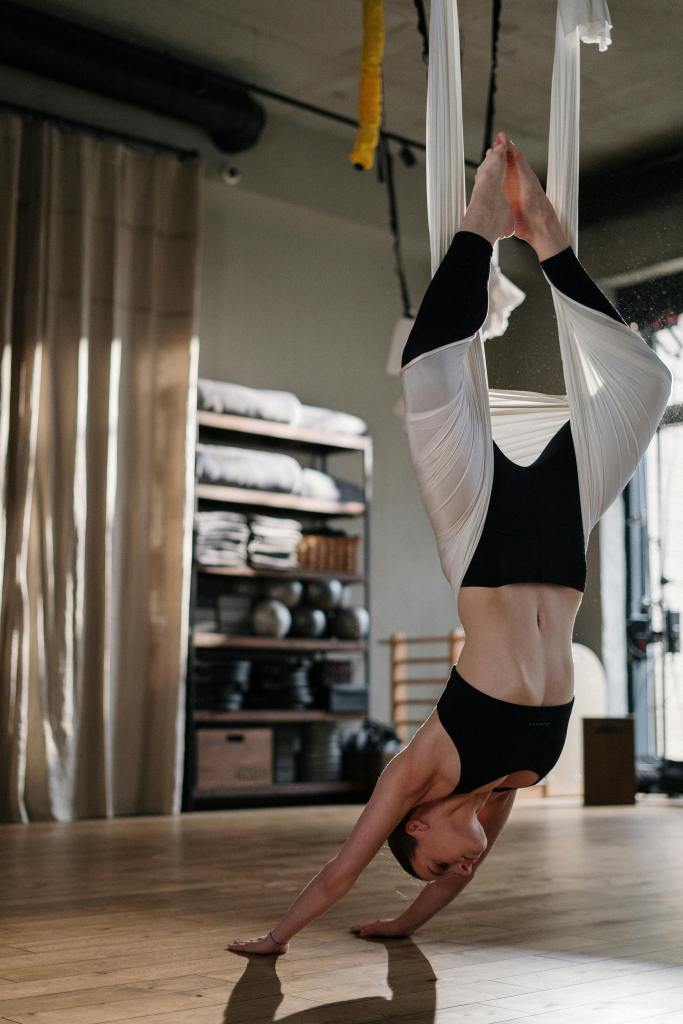

Best Meditation Blogs
Whether you’re a seasoned meditator looking to deepen your practice or some extra motivation, or someone new to meditation looking to get started, finding the best meditation blogs can really help improve your practice.
a well-established mindfulness meditation blog that focuses on promoting mindfulness and its benefits in daily life.
One of the strengths of Zen Habits is its straightforward and easy-to-follow approach to personal development. The blog emphasizes the importance of simplicity, minimalism, and mindfulness in achieving personal growth and happiness.
If you’ve ever seen a quote on Instagram, there’s a good chance it’s from Tiny Buddha.
The site offers a good range of meditation articles, online meditation courses, and meditation community forums that provide practical tips and advice on how to live a happier, more fulfilling life.
Whether you’re a beginner or an experienced meditator, there’s something for everyone on this meditation blog.
Articles are simple, down-to-earth, and still really informative and helpful.
The center’s blog offers readers valuable insights into Ayurvedic medicine, yoga, and meditation practices.
Wildmind is a popular meditation blog that provides readers with a perfect mix of posts, including guided meditations, articles, and books, to help them deepen their meditation practice.

That’s Not A Good Idea
Adequate carbohydrates consumption has an important role to play in many body functions including things like hormone production. The hypothalamus and pituitary glands in our brain are sensitive to energy availability. The hypothalamus and pituitary work together with other glands such as the adrenals. Long term low carbohydrate intake can disrupt normal hormone function of luteinizing hormone (LH), follicle-stimulating hormone (FSH) – and sex hormones, oestrogen, progesterone and testosterone. Low carbohydrate intake can also affect other hormones such as cortisol and T3 (thyroid hormone).
It’s easy to get caught up in a fad diet, but most fad diets are going to be bad or not sustainable. For many years we thought the key to fat loss was a low-fat diet. Low fat, high carb didn’t work. People felt deprived and hungry; they “cheated” with “fat-free”, high sugar treats; and they ended up eating a lot of rice cakes.
Now we have swung the other way with low carb high fat bandwagon where we can eat nut butter, cream and avocado. Unfortunately, the low carb diet isn’t working for most of us either.
The thing to always remember is carbohydrates and refined carbohydrates are very different things. All natural carbohydrates are good for you and should be eaten. White rice and white potatoes are no better or worse than sweet potato and brown rice. They are all natural and nutrient dense foods that can and should be eaten especially if you are training regularly.
While it’s true that people have varying levels of insulin sensitivity (and that some people will be able to tolerate a higher-carbohydrate diet better than others), the truth is that the variations aren’t as big as people think. With the right approach, my experience is that people who thought they “couldn’t” eat carbs actually can.
Cutting Carbs Often Means Cutting Fiber, And That’s Not A Good Idea.
Fiber is incredibly important for heart health, optimal digestion, and appetite regulation. Plus, the high fiber content of complex carbohydrates plays a key role in keeping blood sugar in a healthy zone.
Low-Carb Dieting Has Low Sustainability Because It’s Not Flexible For Real Life.
Like I said earlier in this post, I’m laser-focused on sustainability – the habits, strategies, and lifestyle changes that help my clients maintain their results without feeling like dieting is a full-time job.
In that spirit, one of the reasons I don’t love low-carb dieting is that it takes a lot of attention, and it falls apart easily.
The best thing you can do for your blood sugar, your metabolism, your mental health, and your overall physical wellness is not to go on and off diets.
So here are some of my personal favourites:
White jasmine rice: white rice is somehow inferior to brown or wild rice. It has a slightly lower nutrient profile. However post-workout lower fibre is usually a good thing as they are easily digested and absorbed and usually won’t cause the gastrointestinal issues that you might find with its higher fibre counterpart, wholegrain rice.
Carbohydrates as a source of energy – PubMed (nih.gov)
Hepatic glucose and lipid metabolism – PubMed (nih.gov)
Fiber and Prebiotics: Mechanisms and Health Benefits (nih.gov)
Are excess carbohydrates the main link to diabetes & its complications in Asians? (nih.gov)
Does high-carbohydrate intake lead to increased risk of obesity? A systematic review and meta-analysis (nih.gov)
Comparison of weight-loss diets with different compositions of fat, protein, and carbohydrates – PubMed (nih.gov)
Good Sleep for Good Health
Get the Rest You Need
Sleep is important for maintaining optimal health and well-being. Like exercise and a balanced diet, getting enough sleep may help prevent a range of health issues, including heart disease and depression.
Sometimes, the pace of modern life barely gives you time to stop and rest. It can make getting a good night’s sleep on a regular basis seem like a dream.
But sleep is as important for good health as diet and exercise. Good sleep improves your brain performance, mood, and health.
Not getting enough quality sleep regularly raises the risk of many diseases and disorders. These range from heart disease and stroke to obesity and dementia.
Researchers noted that sleep has links to several brain functions, including:
Memory: Sleep disruption may affect memory processing and formation.
Performance: People’s performance at work, school, and other settings is affected by sleep disruption. This includes focus, emotional reactivity, decision-making, risk-taking behavior, and judgment.
Cognition: By affecting stress hormones, sleep disruption may affect cognition.
The link between weight gain and obesity and short sleep patterns is unclear.
There have been several studies throughout the years that have linked obesity and poor sleep patterns.
A 2018 study Trusted Source suggests that people who regularly sleep less than seven hours a night are more likely to have a higher body mass index (BMI) and develop obesity than those who sleep more.
Researchers suggested sleep deprivation is associated with higher levels of ghrelin (the hunger hormone), salt retention and inflammatory markers. They also noted that decreased sleep results in increased fatigue, which may affect a person’s desire or ability to exercise and maintain a healthful lifestyle.
More research is needed to better understand the links between poor sleep and weight gain.
Sleep is important for athletes and people participating in sport because the body heals during sleep. Other benefits include:
better endurance
more energy
better accuracy and reaction time
faster speed
better mental functioning
Sleep helps the body repair, regenerate, and recover. The immune system is no exception to this relationship. Some research suggests that deep sleep is neccessaryTrusted Source for the body to repair itself and strengthen the immune system.
Getting Better Sleep
For everyone, “as best you can, try to make sleep a priority.”
“Sleep is not a throwaway thing—it’s a biological necessity.”

Pilatespocalypse
Pilates is once again booming. Most market researchers don’t track it separately from yoga, but the International Health, Racquet & Sportsclub Association ranked it as the most popular gym activity for women. It now includes a wide array of offerings, from small private studios with one-on-one instruction and national Pilates franchises to app-based virtual classes and amped up “power” Pilates.
So, is it worth trying to incorporate Pilates into your fitness routine? And what flavor is right for you? If you’re intrigued by the workout, here’s what you need to know.
thanks in part to the pandemic, many people’s exercise priorities have shifted from intense, calorie-burning workouts to activities that also foster a mind-body connection
the method encourages participants to focus on breathing and cultivate a mind-body connection, paying particular attention to how all movement stems from the core. Exercises are repeated in sets that strategically work the muscles without exhausting them.
Many Pilates workouts also incorporate special equipment, including spring-based resistance machines designed to support the spine and target specific muscle groups. The most popular machine, called the “reformer,” looks like a small bed frame with a sliding platform hooked up to a system of springs, ropes and pulleys.
Scientific research does support an array of impressive health benefits for Pilates. Studies suggest it may help to improve muscle endurance and flexibility, reduce chronic pain and lessen anxiety and depression.
Who can benefit from Pilates?
The short answer is: everyone. Really.
Pilates can be tailored to a spectrum of fitness goals, ages and abilities — professional dancers, athletes, pregnant women, octogenarians looking to improve their balance.
While doing Pilates will bring rewards on its own, some people approach it as a complement to other physical activities. Physicians and physical therapists often recommend Pilates as a path to rehabilitation for people recovering from injury. Pilates can also benefit women who are pregnant or postpartum by safely strengthening the core and conditioning the pelvis.
What can’t Pilates do?
Traditional Pilates is not a cardiovascular workout.
You’re not going to build that same muscle, because you never do Pilates movements to exhaustion.
Matcha
You have probably seen matcha lattes listed on numerous menus in your favorite coffee shops or tasted delectable desserts dyed bright green with this powdered tea. Matcha not only has an insta-worthy hue, but this healthy beverage provides a sustained energetic boost, a unique flavor profile, a plethora of culinary options and is stocked-full of health benefits.
What Is Matcha Tea?
Matcha is a type of green tea made from whole, powdered tea leaves. It’s cultivated from plants that have a very precise and regimented growing process, and is made from Camellia sinensis, the same plant as white, green, black and oolong teas.
It has roots stemming from traditional practices in China and Japan, and gets its unique savory, umami taste and antioxidant boost from a labor-intensive growing process that involves shading and tarping the tea fields.
Being shade-grown gives it a balance of flavor between catechins, the compound that gives matcha its bitterness and astringency, and the sweet amino acid L-Theanine. Amino acids are the molecules that form the basis of proteins and are essential for proper functioning of the body. It also allows these beneficial elements to concentrate within the leaf, and since the whole leaf is consumed—rather than just a decoction like many other teas—it’s much more robust.
Health Benefits of Matcha Tea
The list is long when it comes to the upsides of green tea, yet there has been less research performed specifically on matcha. Many of the active nutrients in matcha such as polyphenols, caffeine and amino acids, however, have been noted for a wide range of beneficial health properties.
It May Improve Cardiovascular Health
Micronutrients are abundant in matcha, especially one known as epigallocatechin-3-gallate (EGCG), a plant compound that can have positive health effects. Research gathered on EGCG and its impact on cardiovascular and metabolic health shows it can “exhibit a wide range of therapeutic properties including anti-atherosclerosis, anti-cardiac hypertrophy, anti-myocardial infarction, anti-diabetes, anti-inflammatory and antioxidant,” according to a study published in the Journal of Ethnopharmacology.. Matcha helps support the healthy functioning of the cardiovascular system—preventing plaque build-up, thickening of heart tissue, as well as other conditions such as heart attacks.
It’s Rich in Antioxidants
Antioxidants remove bad molecules from the body, and decrease oxidative stress. Matcha, and green teas in general, are high in substances that act as antioxidants, including catechins. Tea also contains flavonoids, compounds reported to have antioxidant properties having many beneficial effects.
It May Have Cancer-Fighting Effects
Many of the beneficial components of matcha have been researched for their anti-cancer properties. There are extensive cohort studies which examine consumption of green tea and inverse effects of gastric cancers. One such study in Cancer Causes & Control consisting of over 1,400 individuals, found consumption of green tea was associated with lower risk of stomach cancer[3].
Catechins and gallic acid, phytochemicals in matcha, have been used in conjunction with chemotherapy treatments, and have been researched to see if they improve efficacy of certain chemotherapy drugs.
It May Give You Healthy, Glowing Skin
Matcha powder and green teas are not only good for internal conditions but can be used to improve skin health as well. “Green tea constituents may be useful topically for promoting skin regeneration, wound healing or treatment of certain epithelial conditions such as aphthous ulcers, psoriasis, rosacea and actinic keratosis,”
Matcha tea started gaining popularity only recently and studies examining its effect on human health is limited. Despite the available evidence regarding its effect on cognitive function, both acutely and after long-term ingestion, the studies are heterogenous and small number in number.
It can help provide the boost you need to feel energized and inspired throughout the day.
Lack of clinical trials makes the scientific backing of many of the claimed health benefits hard to prove, so check in with a health care professional if you have questions or want to use matcha for a specific health condition.

Pop snack
Most of us equate going to the movies with eating lots of popcorn. To many, not eating popcorn at the movies is like going to the pool wearing your swimsuit and sunscreen — and not taking a dip in the water. It’s just part of the equation: movies + popcorn = enjoyment!
While I don’t necessarily feel the same way about movies and popcorn, I agree that popped corn can be irresistible. More than anything, I think it’s because of that intoxicating aroma. Popcorn has a long history in the United States, too. And with the invention of microwave popcorn, it’s safe to say that it’s here to stay in a big way.
Popcorn is getting some positive nutritional press these days with all the (well-deserved) hoopla over the health benefits of whole grains. That’s right, popcorn is a whole grain! Not only is it a high-volume food that can help us feel full and satisfied, but it’s also typically easily available and affordable.
Keep in mind that the health benefits of popcorn can be lessened or negated if you add a lot of butter and salt to the snack.
Popcorn contains polyphenols, which are a type of antioxidant found in plants, Walsh says. Polyphenols have been shown to combat UV damage and lower the risk of developing some cancers, cardiovascular disease, diabetes, and other diseases. Research shows that polyphenols are more concentrated in popcorn compared to sweet corn or other vegetables.
Popcorn is loaded with vitamins and minerals, according to the USDA. These include:
- Calcium
- Iron
- Magnesium
- Potassium
- Phosphorous
- Zinc
- Copper
- Manganese
- Thiamine
- Niacin
- Folate
- Vitamin B6
Can you eat too much popcorn?
Technically, you can eat too much of anything. But, eating too much popcorn is difficult. Its fluffiness makes it a high-volume food, so you’ll likely get your fill after a cup or two. Unless it’s dripping in butter and salt, a few servings isn’t all that bad for your health.
The downsides of eating popcorn are if you add toppings, you need to factor those into the total calories you’re consuming, and calories from toppings like butter or flavored oils can add up fast. And, if you need to watch sodium intake, then you’ll want to be careful with how much salt you add to your popcorn.
However, keep in mind that popcorn is a carbohydrate. People with diabetes or others who need to watch their carb intake should be conscious of their popcorn serving sizes.
give your gut some love
Your gut health is more important than you may realize. It plays a crucial role in your overall well-being, affecting everything from your mood to your skin to your immune system. If your gut is out of balance, it can throw off your entire body. So how do you know if your gut needs some love & attention?
Here are five signs to look out for:
Digestive Issues
Food Sensitivities
Low Energy Levels
Mood Swings and Anxiety
Skin Issues
If you’re experiencing any of these signs, it’s time to show your gut some love and start the healing process. Incorporating gut-healing foods into your diet, such as bone broth, probiotic-rich foods, ginger, turmeric, fiber-rich foods, and omega-3 fatty acids, can help restore balance and promote a healthy gut.
Eat a diverse range of fruits and vegetables to feed your gut microbiome. Incorporate fermented foods like yogurt, kimchi, and sauerkraut into your diet for probiotics. Stay hydrated by drinking plenty of water throughout the day. Manage stress through activities like yoga, meditation, or deep breathing exercises. Get your body moving! Exercise helps to support overall gut health. Prioritize sleep to allow your body to rest and repair. Limit processed foods and added sugars that can negatively impact gut health. Listen to your body and pay attention to how different foods make you feel.
Why is Stress a Problem?
Stress is not necessarily a problem. It is often considered an exclusively negative emotion and something to be avoided at all costs, but the truth is stress can be helpful in certain contexts. According to experts, there are two kinds of stress – a purely negative one, labeled “distress”, and one that can be considered positive, labeled “eustress”.
Eustress can be caused by starting a new job or healthy work pressure and specifically refers to small doses of stress that help motivate you to reach your goals.
Conversely, distress refers to high levels of negative stress and can lead to all kinds of terrible health effects. For example, unregulated distress can result in unhealthy eating, skin problems, psychological turmoil, and even a higher risk of chronic diseases.
For this article, stress shall refer exclusively to the unhealthy levels of stress that the researchers have labeled distress.
Exercise helps to mitigate stress in a few ways. According to Harvard, one of the ways that exercise helps reduce stress is linked to the stress hormones, such as adrenaline and cortisol, that your body produces. According to experts, exercise helps lower these hormones while also stimulating the production of endorphins, which will help boost your mood.
Further, the effect that exercise has on your body is another way that exercise helps reduce stress. Regular exercise will help boost your metabolism, increase your heart’s health, strengthen your muscles, and lessen your weight. These changes help make you feel better about yourself, both physically and mentally, and as a result, your stress levels will drop further.

What is NEAT?
Let’s get the basics down first. What is NEAT and what is it an abbreviation of?
‘NEAT stands for Non-Exercise Activity Thermogenesis and while it sounds complicated, it simply refers to the energy used carrying out any daily activity that isn’t formal exercise (e.g. running or resistance training) or sleeping
NEAT activities can include anything from walking the dog, cooking, carrying the shopping home, doing the gardening, playing with your children at the park, washing the car, or even fidgeting at your desk.’
Hear that? Those essential trips to the kitchen all count as part of your NEAT. Time for a cuppa, we thinks.
Examples of NEAT include: Washing the car, Fidgeting, Walking upstairs, Walking the dog, Carry grocery shopping, Gardening, Playing with children or pets, Using a standing desk, Walking to the gym, shops, office instead of taking public or private transport
Benefits of doing NEAT
Helps with muscle recovery
Can help to relieve stress and improve mental health
Improves cardiovascular health
Helps control blood sugar
Reduces risk of chronic disease
Lowers the level of inflammation in the body
An easier alternative if you’re coming back from injury
It’s a low-impact form of movement
Requires no skill
Free
Good for both beginners and those more familiar with exercise
Won’t interfere with other training or exercise you might be doing
There are so many benefits to getting more NEAT exercise into your life – not least that it’s a totally skill-free way to up your daily movement. Whether you’re a newbie to exercise (or not even on the sweat market but know you need to do something), getting your non-exercise activity in line can be a great first step. Or, if regular gym workouts are more your steez, upping your NEAT can help increase blood flow to your muscles as they repair.
https://pubmed.ncbi.nlm.nih.gov/12468415

Podcasts
Podcasts are a convenient and entertaining way to learn and find motivation along your fitness journey. Whether you listen to them on an audio player while you train, or in the car on the way to work or sync them with an Apple Watch, there are extraordinarily informative fitness podcasts that can help you get the results you want. Below some of the best fitness podcasts available.

facts about fats
Consuming fats in your diet is necessary for overall health. For years fats were critiqued and banished from people’s diets. Fats provide a source of energy, help your body absorb nutrients, regulate cholesterol, and contribute to brain and neurological development. Although fasts are necessary, not all fats are created equal. Creating a well-balanced dietary intake of healthy fats over bad fats is one way to contribute to more beneficial outcomes.
A rule of thumb is to primarily consume unsaturated fats, limit saturated fats and avoid artificial trans fats.
Unsaturated Fat Unsaturated fat is typically liquid at room temperature and can be divided into monounsaturated fat or polyunsaturated fats. Consuming more unsaturated fat over saturated fat has been shown to improve cholesterol levels and reduce your risk of cardiovascular events and stroke. Types of unsaturated fats include
Monounsaturated fats Canola, Olive, Avocado, Peanut, Almonds, hazelnuts, and pecans, Sesame and pumpkin seed, Safflower
Polyunsaturated Fats (PUFA) Canola and soybean, Sunflower, Corn, Flaxseed, Walnuts, Fish
Fatty Acids Fatty acids are a subcategory of polyunsaturated fats. This is further divided into Omega-3 and Omega-6 fats. Both Omega-3 & Omega-6s are essential fatty acids, meaning your body does not make them, and you must get them from your diet.
Omega-3 fatty acids are the all-star when it comes to polyunsaturated fats, as they have many health benefits. Yet many people under consume omega-3’s.
Foods High in Omega-3’s fish-salmon, mackerel, trout, tuna, sea bass, and sardines. Oysters, Scallops, Walnuts, Chia seeds, Flaxseed
Foods High in Omega-6’s Canola oil, Sunflower seed, Walnuts, Safflower oil, Egg yolk, Tofu
Saturated Fats Saturated fats are solid at room temperature and are found in animal-based foods, milk-based products, and tropical fats. Science is continuing to discover more on this topic, but it’s still recommended to limit saturated fats and focus more on unsaturated fats to meet your macronutrient needs. Types of saturated fats are: Coconut oil, Milk fats, Butter, Tallow, Beef, Pork, Cheese, Yogurt, High-fat meat, Lard
Tips
Use an omega-3-rich oil for cooking. For example, olive, avocado, and coconut oil are all great options.
Eat fish rich in omega-3 fatty acids, such as salmon, at least twice a week
Opt for grass-fed meat, lean poultry, and wild-caught fish
Limit processed foods, which often contain saturated fat and potentially trans fat. Although synthetic partially hydrogenated oils are now prohibited from being added to American food, they can still contain natural forms of trans fats.
If it has a label, read it and look for hidden trans and saturated fats.
Reach for fresh fruits and vegetables in place of packaged food and snack items.
https://www.health.harvard.edu/staying-healthy/know-the-facts-about-fats
https://www.nutrition.org.uk/nutritional-information/fat
https://www.heart.org/en/healthy-living/healthy-eating/eat-smart/fats/dietary-fats
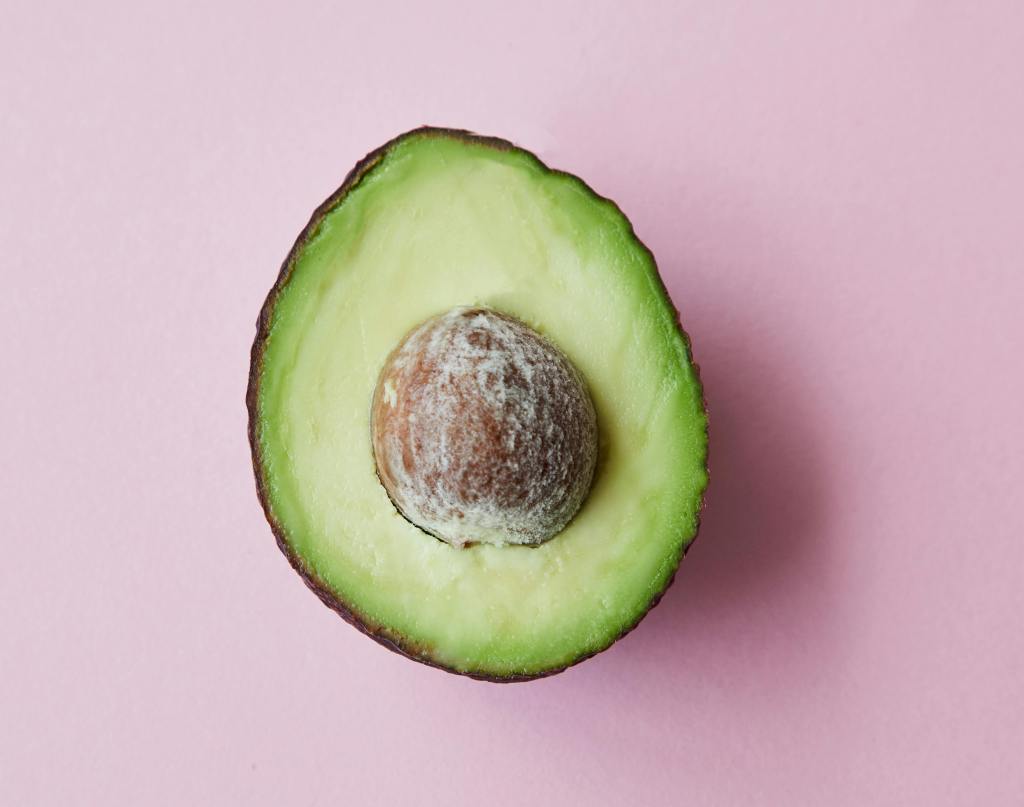
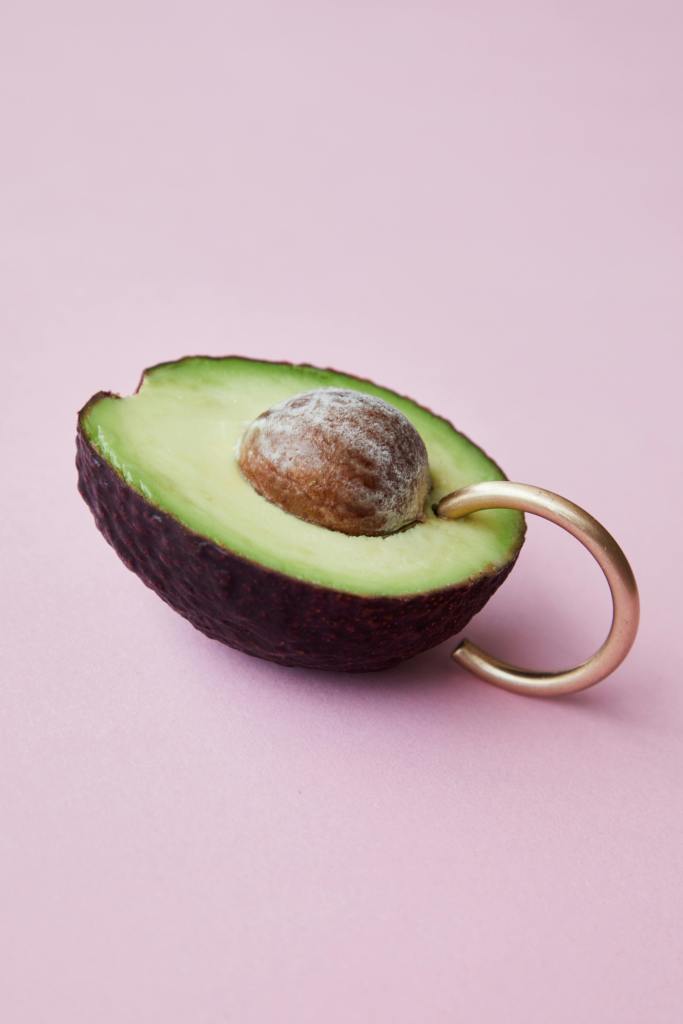
Mood booster
Everyone knows the benefits of exercise: stronger muscles, more energy, weight management, better sleep. A mood boost is often tacked on as a bonus. But there is stronger evidence than ever before that movement not only improves your mental health, but also protects it.
Depression is the fourth most serious disease worldwide, yet the psychological benefits of exercise have been overlooked, says Jack Raglin, a professor of kinesiology at the Indiana University’s School of Public Health: “The evidence just keeps on coming.”
In fact, even if you were to exercise for the sake of your mind alone, it would be well worth doing – and the good news is, a little makes a big difference. Here’s how to move yourself happy. Multiple and pronounced benefits. Not only does exercise increase positive “affect” (or emotion), it decreases negative affect, equating to a one-two hit of good feeling. If your primary aim is to improve your mood, the bar for what counts as exercise is far lower than it is for weight loss or fitness gains. the best activity is one you like to do – whether that’s swimming, team sports or dancing. “Individual preference really is the key driver in the mood-boosting benefits.”
“What’s so great is that when you look at the research, you can’t find the exercise that doesn’t work. Swimming? Tai chi? Powerlifting? Yes! It all works!”
https://www.health.harvard.edu/mind-and-mood/more-evidence-that-exercise-can-boost-mood
https://pubmed.ncbi.nlm.nih.gov/26978184


Sweet potato
Just one sweet potato gives you 102% of the vitamin A you need each day. This helps keep your eyes healthy as well as your immune system, your body’s defense against germs. It’s also good for your reproductive system and organs like your heart and kidneys.
- B vitamins, Vitamin C, Calcium, Iron, Magnesium, Phosphorus, Potassium, Thiamin, Zinc
Natural compounds called carotenoids give sweet potatoes their rich color. Carotenoids are also antioxidants, which means they have the power to protect your cells from day-to-day damage.
In addition, sweet potatoes — especially the orange and purple varieties — are rich in antioxidants that protect your body from free radical damage. Free radicals are unstable molecules that can damage DNA and trigger inflammation. Free radical damage has been linked to chronic illnesses like cancer, heart disease, and aging. Therefore, eating antioxidant-rich foods is good for your health. Sweet potatoes contain fiber and antioxidants that promote the growth of good gut bacteria and contribute to a healthy gut.
The other good thing about sweet potatoes is that they are so versatile: you can mash them, bake them, make fries with them, top a fish pie with them, pretty much anything you can do with a white potato. Plus, it’s an almost effortless way to change up from regular potatoes!.
Their natural sweetness pairs well with many different seasonings, and they can be enjoyed in both savory and sweet dishes.
Preparing sweet potatoes with a little fat — such as coconut oil, olive oil, or avocado — can help boost the absorption of beta-carotene since it’s a fat-soluble nutrient. Although cooking them slightly reduces their beta-carotene content, they still retain at least 70% of this nutrient and are considered an excellent source!
https://www.webmd.com/food-recipes/benefits-sweet-potatoes
https://www.medicalnewstoday.com/articles/281438#benefits
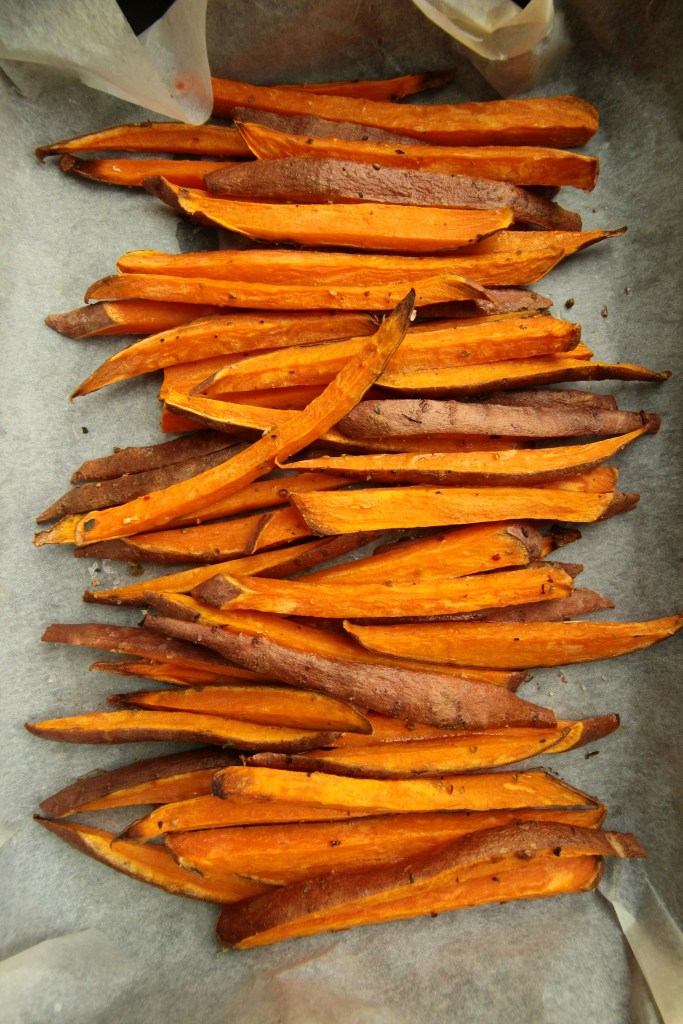
Sometimes you just need to switch things up!
Not seeing progress? don’t panic! It takes time, patience and consistency to achieve long lasting results!
Keep in mind that there are a number of ways to accurately measure your progress and there may even be certain factors which are dictating how well you are progressing, that you weren’t aware of. Not to worry, I am always here to help guide you through it! If your goal is to change your body composition (I am not suggesting that should be, but if it is), know that many factors go into losing weight, burning fat, or building muscle. Your genetics play a significant role both in your current body composition and how difficult it is to change it. Factors like sleep, stress, hormones, and your fitness history also play a part. That’s not to say it’s impossible—just that it can be very, very difficult. So if you’re not noticing the results you want, realize that can take months to change your muscle size or body fat percentage. You might be on the right track and just need to stay the course.
Weight loss especially is impacted by so many more factors than just diet and exercise. Getting poor sleep can sabotage your weight-loss efforts in a few ways. Being sleep-deprived impacts the hormones that control appetite, urging you to snack and prompting you to reach for quick energy
“If you are somebody who does the same thing every time and you have been doing that for years, then you need to switch it up”
Work out less often. This might sound counter intuitive, but if you’re working out so frequently that you’re feeling burnt out, you may not really be getting much out of some of those workouts. Take active recovery days instead. Active recovery is any workout that gets you moving but still lets your muscles recover fully—which is important so your body can reap the benefits of exercise without getting too burned out.
“Nutrition is number one, whenever it comes to any type of weight loss or body composition goal”
But maintain a sense of balance in your diet. Eating healthy, whole foods is important, but so is balance. Saying you’ll never have a glass of wine or cookie again will just set you up for failure.
Have fun. Finding a workout you actually like and have fun doing will benefit you in countless ways. A few big ones: You’re way more likely to stick with it, and you’ll maximize the stress-relieving abilities of exercise.
“There’s a difference between fitness for results and fitness for fun, and I think having a really healthy balance of the two is key for sustained health and progress”
Ensure you are accurately measuring progress
It’s very likely that you may think you’re not progressing, but you actually ARE!
If you are not measuring your progress accurately, or maybe you’re only relying on ONE progress outcome, you may struggle to actually see the results. The scales DO NOT tell you everything! In fact, your scale weight may stay the same, despite your body composition actually improving!
You should also:
Take progress photo and Track your progressive overload.
Implement progressive overload
In order to progress, particularly with fitness-oriented goals like increasing strength, you need to make sure you progressively increase the exercise intensity!
Definitely Be consistent & patient
This is the most important, and often, the hardest part! Ughhhh!


Self-Care Isn’t Selfish
If you’re someone who has always said you don’t have time for self-care, or that self-care seems selfish and self-indulgent, you’re not alone. “One of the things that you come across all the time is the idea that ‘I can’t invest in things that are good for me, because it’s taking away from my ability to be a good parent or do what I need to do at work,’” said Kelly McGonigal, a health psychologist and lecturer at Stanford University. “Wouldn’t it be great if we learn to lean in to our interdependence, and that we can actually take some kind of joy in knowing that when I take care of myself, I often am also taking care of others?” Self-care is not just making time to recharge your batteries with a nap, meditation or by taking a break from your family — although all those things count.
Self-care ultimately is about setting priorities, setting boundaries and finding purpose.
Self-care might at first strike one as another pop-psychology buzzword in this Age of Anxiety, when burnout is being called the “new normal.” But science reveals its critical nature.
Self-care is a regular, intentional process of devoting oneself to protecting and sustaining mental health. It is backed by science and not just feel good, self-indulgent sentiments.
The World Health Organization has declared a global mental health crisis and defined burnout as both an occupational risk and a workplace condition. Escalating pressure to do and be everything at work and at home are creating a context breeding exhaustion, overstimulation, and angst.
Most of us are operating with few margins in our lives. Respite, rest, and time off to just be seem like luxuries. In my clinical work, I often find resistance to the suggestion of self-care. It can seem fluffy or self-serving, or unlikely to make an impact when stress is high. It can also feel unachievable in light of the enormous demands around every corner.
Self-care comes in different forms:
Cognitive restructuring/reframing. Quieting the inner toxic critic; practicing self-compassion.
Lifestyle medicine. Sleep, nutrition, hydration, exercise habits.
Community. Spending time with loved ones; having a support system.
Leisure and fun. Finding time to relax and take part in activities in which you get lost in time and space and can really enjoy the moment.
Quiet space. A place away from distractions, screens, and duties.
The American Psychological Association has stated that we often don’t know that stress is negatively affecting our health until we get sick. We must all be hypervigilant when it comes to the cumulative effect that self-neglect can create. Self-care can help mitigate the consequences of our demands and roles. Self-care isn’t selfish and it’s not superficial. It’s not just about taking me-time or mani-pedis or treat-yourself days. It’s about protecting your mental health and fostering sustainability. There is no one-size-fits-all, but the research gives us a lot of clues as to what can help sustain us. Lifestyle medicine, regular breaks, relationships are protective factors that help build resilience. Prevention is less costly than repair. We now have the science to show the positive effects on our health.
References
Lee, K (2018). Mentalligence: A New Psychology of Thinking: Learn what it takes to be more agile, mindful and connected in today’s world. HCI Books: Deerfield Beach.


Caramelized Cinnamon Grilled Pineapple
Using only 3 ingredients makes this brown sugar cinnamon glaze to die for. It is so simple to make and will whisk up quickly. Grilling only takes a few minutes and this grilled pineapple will complete any meal as a delicious side dish. When I tell you that this is one of the best sides that you will grill this summer, it is no joke! It goes great with anything that you will grill and it will be the talk of the barbecue. I know that you will love this just as much as we did. It is truly a five star recipe!
- Pineapple
- Brown Sugar
- Honey
- Cinnamon
- Making the caramelized glaze: Lay the pineapple spears on a pan. Sprinkle lightly with cinnamon. Mix together the brown sugar, honey and cinnamon.
- Grilling pineapple: Grill for about 7-10 minutes on medium heat or until it is starting to turn golden brown. I always like to brush the excess sauce from the pan back on top of the pineapple before serving.
Kombucha
Kombucha and other probiotic-rich fermented foods have become popular in recent years as scientific research sheds light on the importance of the gut microbiota for overall health. Kombucha’s potential health benefits are attributed to the bioactive products—including polyphenols and organic acids—produced by its live microorganisms. Despite widespread belief that drinking kombucha offers health benefits, very few human studies exist to support these claims.
Rich in Antioxidants and Other Nutrients
After fermentation, kombucha contains many bioactive compounds and nutrients that may be beneficial for health. “Kombucha is a potential source of vitamins B1, B2, B6, B12 and C, as well as polyphenols and antioxidants,” notes Dr. Soorya. It also contains copper, iron, manganese, nickel and zinc, making it a great adjunct to a healthy balanced diet, continues Dr. Soorya.
May Boost Gut Health
Some of the strongest evidence regarding kombucha’s health benefits is its effect on gut health. Because it’s fermented with a SCOBY containing various strains of beneficial bacteria and yeasts, kombucha is a good source of probiotics.
“Kombucha is a fermented tea,” explains Dr. Soorya. As such, it contains, “various bacterial and yeast species that, when ingested, can help diversity and balance your microbiome by inhibiting growth of pathogenic bacteria and promoting growth of health-associated gut microbial communities. The microbiome helps with digesting, absorbing and assimilating nutrients from your food, and ingesting kombucha can aid in this process.”
A 2021 review in Critical Reviews in Food Science and Nutrition concludes that kombucha benefits the gut microbiota. In particular, animal studies suggest consuming kombucha can increase the abundance of Lactobacillus—a species of bacteria known for its probiotic and anti-inflammatory effects—in the gut.
May Support Healthy Cholesterol Levels
Studies in animals suggest kombucha may promote healthy cholesterol levels. A review of studies found that kombucha lowered total cholesterol, triglycerides, LDL cholesterol and VLDL cholesterol in animal models .However, no human studies that support this benefit have been conducted.
May Help Improve Glucose Tolerance
Evidence from animal studies suggests traditionally-made kombucha may help control blood sugar levels and influence development of diseases affected by gut bacteria.
May Offer Antimicrobial Properties
Despite being a source of friendly bacteria, kombucha’s bioactive compounds and acetic acid content may provide antimicrobial properties that could help prevent or treat gastrointestinal infections.
However, human research is needed to know whether kombucha can effectively help prevent or treat gastrointestinal infections.
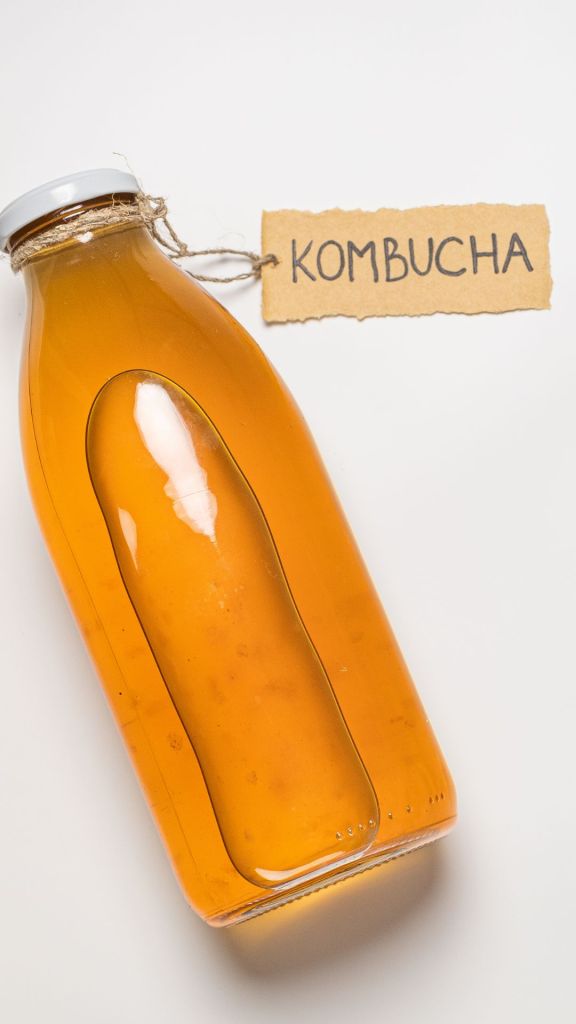
Avoid Comparison
There is no competition when it comes to improving your health and going back to basics is sometimes the best way forward. There is so much information out there and what works for someone else may not work for you. Controlling what you see, follow and let in is key. Your body will always give you the feedback you need, so please make sure to listen to it and remember, your journey should be exciting and make you feel fantastic. There’s a famous quote, most often attributed to former U.S. president Teddy Roosevelt, that I’ve seen numerous times across Pinterest and the blogosphere. “Comparison is the thief of joy.” These words are so prolifically quoted because the sentiment holds true for anyone seeking any goal: you diminish your sense of accomplishment and pride when you compare what you have done to what others did.
So when it comes to determining your own reality, your own happiness, and your own competition, the only person you should be comparing yourself to..
IS YOU.
Now I know it’s easy to say and hard to do because comparing is a natural human reaction. We always want to know where we fall on “the ladder.” But it’s your responsibility to take yourself off the ladder and stay grounded! All you can ask of yourself is to reach your own potential, not someone else’s potential. If you try to, and you don’t like where you stand, I guarantee you will be sad. Why? Why put yourself through that? We are all born with unique gifts and talents and I believe that in our life, it is our duty to embrace those gifts and share them with the world!


Ginger
Supplements that are supposed to help with recovery and exercise are numerous…and confusing.
You’ve probably seen all kinds of claims about herbs and supplements and how they can enhance your health, your body, and muscle recovery.
One that is often touted as great for improving recovery after working out is ginger, the spicy, tasty root that comes in forms ranging from fresh to candied to powdered, and even in tea.
The problem is that research doesn’t always back up the claims the sellers of such supplements make. They sometimes use trick wording, like:
“Ginger MAY help with exercise recovery.”
What does that really mean? Will it or will it not help? let’s take a look at what the science says about ginger.
https://www.ncbi.nlm.nih.gov/pmc/articles/PMC7019938/
https://www.sciencedirect.com/science/article/pii/S1728869X14000045?via%3Dihub
https://www.webmd.com/diet/ss/slideshow-health-benefits-ginger
Exercise can produce oxidative stress in the body, an imbalance between harmful free radicals and natural antioxidants. Athletes turn to natural antioxidants, like ginger, to reduce the imbalance and to correct oxidative stress.
While there is some evidence that ginger can reduce post-workout muscle pain, we still need to know how long it needs to be used as a supplement to have an effect.
In one study of 28 high-level endurance runners, the researchers found that prolonged, intense training significantly elevated inflammatory cytokines in the blood plasma, which was expected. They also found that these high levels of inflammation were reversed in the group that was given ginger.
The study investigators determined that the runners needed to take ginger for six weeks before they saw positive results. Based on their findings, they recommended that high-performing athletes begin a six-week course of ginger supplementation prior to important competitions to properly prepare them for optimal performance and recovery.
Should You Try Ginger Supplementation?
This is a tricky question to answer, as the results of many of the studies contradict each other. There is also no clear answer on dosage or form of ginger to use. For instance, you can try capsules, eat fresh ginger root, or drink ginger tea.
The research we’ve presented for you here is interesting and may be useful in helping you decide if you want to try ginger for exercise recovery. The good news is that ginger is largely considered safe. It is a food, so there are no real risks or potential side effects, although a few individuals may find it causes stomach upset.
Knowledge is power, so we encourage all our readers to take the information and to continue their own research. Knowing more about the research can help you be better informed when you discuss supplements with your doctor and with your training clients.

First thing in the morning!
With that being said, here are some of my top tips for those of you who have to get out of bed and train first thing in the morning!
View this as a routine and as your lifestyle. If you automatically link a negative thought with your workout routine in the morning, it will start you off on a bad note and leave you feeling like the gym is a chore. If you think of your date with the gym, like any other appointment or schedule in your day and surround it with a positive thought then it will be more enjoyable.
Mindset is everything! Starting your day with a workout in the morning can set you up for a great day ahead! Studies have proven that energy levels improve throughout the day and mood is enhanced when people have started their morning with physical activity.
Make sure you are getting enough sleep. If you are waking up early to train, you need to be going to bed at a reasonable time. I recommend getting 7-8 hours of sleep per night. Get to bed earlier and make this part of your new routine!
Be prepared! Each night I like to lay out my gym clothes and get organized with what I need for the next day. This also includes your food and supplements for the day! Pack your gym bag with your essentials so you can just grab it and go!

K’s gym tips
To make the best of your efforts in the gym, make sure you go into each session with a plan.
Choose 5-6 Total Exercises to Do Each Day. I suggest that every beginner finds a program that has them doing no more than 6 exercises on a single day. Ideally, you would be choosing 2-4 compound exercises, and another 2-3 isolation-type movements to build out a good workout program.
As a beginner, it can be tempting to do every exercise you see on social media on a single day. You are constantly bombarded by “new cutting-edge workouts and exercises”. The basic The better! If you train more than 3 days a week, you would simply just add more workouts during the week, but still, keep the same number of exercises per workout.
Recording your performance is very helpful as it allows you to fix your form, adjust your weights or add reps or sets to further workouts to push progress.
Keep a Journal to Review Your Workout!
One of the most common regrets beginners have after training for a few months is that they don’t have a good “beginning” picture to look back on.
Most of my clients are not overly excited to document their beginner physiques, lack of muscle tone, and excess body fat stores. However, looking back on the picture throughout your process is a great way to stay motivated, but also to see how far you have come. Every day when you look at yourself in the mirror, you might not notice significant changes because it’s hard to see small changes over time. That’s where a picture from a specific date can be extremely valuable.
Eat Enough Protein to Fuel Recovery and Muscle Growth
When looking to build muscle and recover fastener, protein is essential. I recommend that beginners aim to consume .8g of protein per pound of body weight, per day. Once you are consistently hitting the minimum, you could bump that up to 1g per pound per day. Why? Protein is a building block of all tissue in the body, and it is also a key nutrient necessary for hormonal production.
When you leave the gym, focus on your diet, sleep, and recovery because these are also critical components of reaching your fitness goals.
From Recovery to Muscle Growth, Here’s Why You Need Omega – 3
Omega – 3 is one of the most researched food supplements in the world. However, research mostly focuses on its role in heart health and strong anti-inflammatory properties. But the science supporting omega – 3s role in sports nutrition is already exciting and promising, even though it is still emerging and some elements of it need further research to draw sound conclusions. But besides this need for further research, omega – 3 has become the foundation of the sports nutrition supplementation pyramid over the last decade. The fatty acids EPA and DHA are linked to benefits such as helping you gain muscle mass, influencing the fat to muscle ratio in your body and improving recovery of muscles after intense exercise. A systematic review of studies done with fish oil supplements in athletes shows that omega – 3 has a positive effect in the areas of cognition, heart health, muscle recovery and immunity.
And even if you are not an athlete, anyone can benefit from taking omega – 3 on a daily basis and while it is possible to get enough omega – 3 through food alone, it can be beneficial to use a high-quality supplement to make sure your body never lacks those important nutrients. The recommended intake is very personal and depends a lot on your body, health and lifestyle, as well as other factors like gender and age for example.
What we know is that the anti-inflammatory properties of omega – 3 may result in increased supply of blood and oxygen to our muscles and heart, which can be beneficial for our performance and reduce muscle soreness. The fact that omega – 3 improves the flow of blood throughout our body could also impact our endurance, as there is some evidence to suggest that omega -3 may reduce the oxygen cost of exercise in our body. EPA and DHA can also offset some damage done by free radicals which are generated during workouts and cause inflammations, which attack muscles, joints and ligaments. They therefore can help with muscle-recovery, reduce soreness post-exercise and can help preserve muscle-mass when calories are restricted or during longer periods of immobilization like when we are recovering from an injury.
So whatever your goals and ambitions are, taking omega – 3 supplements on a regular basis can help you reach the next level in your personal fitness journey!
A systematic study has also shown that next to all those positive impacts, there are no side effects or severe risks associated with supplementing with fish oil products, concluding that fish oil appears to be safe for athletes.
https://pubmed.ncbi.nlm.nih.gov/33266318
https://www.sciencedirect.com/science/article/abs/pii/S0899900703002648?via%3Dihub
https://www.ncbi.nlm.nih.gov/pmc/articles/PMC7490155

The Secret to a Better Workout Is Probably Already in Your Kitchen
Although caffeine may be duped as the enemy that disrupts sleep and recovery for the body and mind, there are benefits to consuming it, especially from a sports performance perspective.
Caffeine can induce alertness by stimulating the central nervous system. Research studies have seen improvements in endurance performance in mentally fatigued individuals. Caffeine is a common substance in the diets of most athletes and it is now appearing in many new products, including energy drinks, sport gels, alcoholic beverages and diet aids. It can be a powerful ergogenic aid at levels that are considerably lower than the acceptable limit of the International Olympic Committee and could be beneficial in training and in competition. Caffeine does not improve maximal oxygen capacity directly, but could permit the athlete to train at a greater power output and/or to train longer. Caffeine is one of the most studied supplements in the world. Studies correlate its use to increased exercise performance in endurance activities, as well as its possible ergogenic effects for both intermittent and strength activities.
The well-accepted dosage of caffeine to improve performance is between 3 and 6 mg.kg−1, 60 min before exercise (Goldstein et al., 2010; Maughan et al., 2018). This dosage promotes (between 1 and 8%) performance gains in aerobic exercises, game sports, and exercises with high glycolytic demand (Goldstein et al., 2010; Maughan et al., 2018; Grgic et al., 2019). It is currently established that the benefits of caffeine on performance occur through its direct action on the CNS, improving alertness and reaction time, in addition to reducing the perceived exertion rate (pain) (Maughan et al., 2018).
Whether physical or mental, the benefits of caffeine apply to competitive athletes and those just wanting a slight improvement in their workout.
Used correctly, caffeine can help you lift more, run faster and cycle farther.

Where to Spot Diet Culture
“cheat days”. Most of us have heard of the concept of cheat meals or days. It’s fairly common, but referring to it as cheating implies that you’re doing something wrong—again reinforcing that there is a right and wrong way to eat. Cheating also can come with a hefty dose of guilt and shame, neither of which promote health.
“make up for” meals. One way some people attempt to counter their cheat meals is by “making up for” meals. For example, one may intentionally choose lower caloric foods the day after a cheat meal or day even if it’s not what you’re in the mood for or don’t really even like.
Stop using exercise as overcompensation. Exercise is amazing for your physical and mental health. However, when it’s used to overcompensate for eating “badly”, that can get into an unhealthy place.
Reflect on your reasons for avoiding certain foods. Avoiding certain foods or food groups is necessary for some. If you have an allergy or a specific condition in which your healthcare provider has advised that you avoid particular foods, then this isn’t diet culture. But if you have suddenly decided to avoid sugar, gluten, or dairy, for example, for non-necessary medical reasons, then this may be something to reflect on.
Language matters. Talk about food as it should be—neutrally. Name them for what they are. Chips aren’t junk, they’re just chips. Broccoli isn’t clean, it’s just broccoli.
Keep in mind that if you’re like most and have had a diet culture mindset for decades, this won’t change overnight. Give yourself patience and grace as you work on unlearning some of the diet culture traps. On the other side is increased confidence and wellbeing and improved quality of life.

[Calorie counting]
That’s not to say calories don’t matter. Experts still agree that consuming fewer calories than you burn leads to weight loss. But there’s no need to obsess about them. Instead, it can be more useful to have a general idea of how many calories you require to reach your goal—and which foods are more likely to help you get there. Think of it as calorie awareness versus calorie counting.
Put the focus on food quality and healthy lifestyle practices to attain a healthy weight. It’s time to take a different approach putting the emphasis on improving diet quality and making sustainable lifestyle improvements to achieve a healthy weight.
Focus on diet quality. When planning your meals, try to cut down on or eliminate processed foods, which can drive your body to consume more. Instead, focus on choosing unprocessed foods, including lean meats, whole grains, and lots of fruits and vegetables in their natural form.
Exercise regularly (as well as vigorously). Aim to get at least 150 minutes of moderate-intensity exercise each week. Moderate exercise is done at a level where you can talk, but not sing. “A lot of people think moderate exercise is a casual walk to the garden, but it’s more like walking up a large hill,” she says. While any movement is better than nothing, work toward achieving a more vigorous level of exercise when you can.
https://www.ncbi.nlm.nih.gov/pmc/articles/PMC5568610
Volume eating
I think it makes total sense to eat food that satisfies you and makes you feel full. Firstly, that usually means you have eaten enough and that you have enjoyed your meal. Secondly, despite the fact that I love food and made it my job, I don’t want to be thinking about it, and more precisely what I’m going to eat next, every five minutes. Volume eating allows you to do that: eat a nice amount and forget about it for a few hours until your stomach tells you it’s time to eat again.
It is a trendy dieting strategy that involves consuming large amounts of low-calorie foods to feel fuller while still maintaining a calorie deficit.
You physically eat more food — but still consume fewer calories than usual.
The idea behind increasing high volume foods is that you can eat less and lose weight by reducing your overall calorie intake without decreasing the quantity of food you eat.
Is volume eating good for weight loss?
If done correctly, yes, it can be.
Volume eating requires proper planning to aid weight loss. The barrier to weight loss for so many people is that they don’t feel full and satisfied after eating a meal.
Low-volume foods — which are often rich in nutrients like fiber as well as various vitamins and minerals — “literally take up more space” than high-volume foods, she argued, filling up the stomach more and most likely leaving you full and satisfied.
Additionally, volume eating could be a great way to introduce nutrients you weren’t getting before.
It’s vital to remember that quality is greater than quantity — so don’t get too caught up in just consuming the lowest-calorie foods available.
We need fat for hormonal function, for brain function, for skin health, to absorb fat-soluble vitamins etc. We need starch so the body can get a readily available source of glucose and to get minerals such magnesium, iodine and selenium, and let’s not forget choline and B vitamins. Many women end up eating mostly vegetables and massively under-eat protein, leading to a decrease in muscle mass.
Low-calorie foods shouldn’t be prioritized over nutrient-dense foods, and high-calorie foods can still be part of volume eating without being the main event.
Health Benefits of Volume Eating
Some health benefits of high nutrient dense foods include:
Exposure to new food choices
Increased fiber intake
Increased vitamin and mineral intake for some
Mental satisfaction of having a full plate of food
The health benefits of volume eating ONLY happen if you are not restricting your calories while adding in high nutrient density foods. If you are not eating enough while following this type of eating plan, nutrient absorption is likely to be impaired.
The Risk of High Volume Eating is GI Distress
can include: Bloating, Constipation, Diarrhea, Nausea.
“High-volume eating can lead to bloating and digestive discomfort, as many high-volume, low-calorie foods are high in fiber. Too much fiber from raw fruits and vegetables can cause digestive upset and micronutrient deficiencies.”
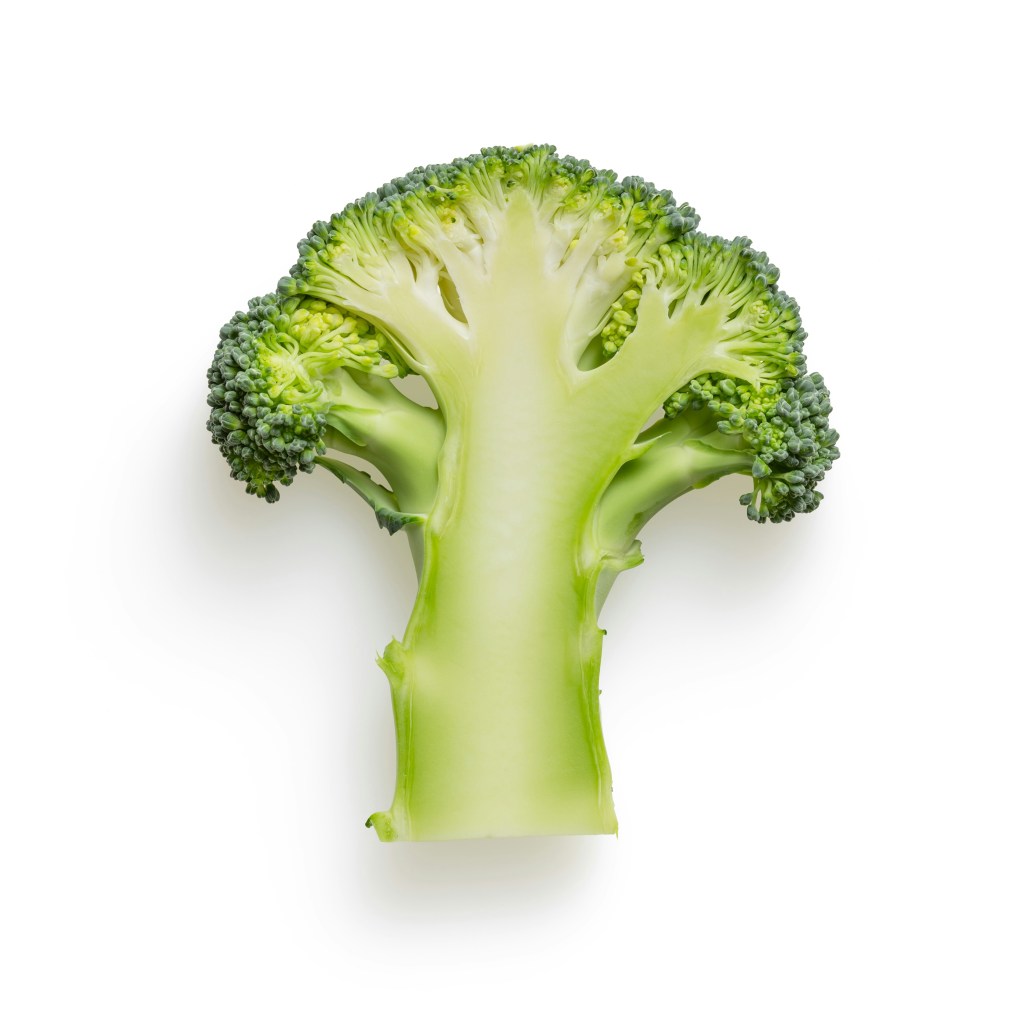
Plant based fibers aren’t just sustenance; they are the unsung heroes for our evolving bodies.
They play a pivotal role in balancing our hormones, ensuring digestive harmony, and fueling us with sustained energy throughout the day. Let’s seize every meal as an opportunity to nourish ourselves from within, infusing our plates with a vibrant array of veggies, fruits, legumes and whole grains.
https://www.ncbi.nlm.nih.gov/pmc/articles/PMC6742661
https://www.ncbi.nlm.nih.gov/pmc/articles/PMC7589116
Metabolism
tip for getting your metabolism back up to speed, let’s go over!
Muscle is metabolically expensive, meaning, it requires more energy! Muscle tissue burns 3x as many calories as fat tissue. When you do the math, it may not seem like much, but any additional wiggle room for calories can make a big difference. Overtime as we put on more muscle and as we age, this will make all the difference. Muscle tissue is also a huge user of glucose, which helps with blood sugar regulation and allows us to enjoy more carbs in our diet without the “negative” effects.
Want a faster metabolism? Eat + lift
And SLEEP! The most underrated!
get enough sleep and adequate sleep.
Sleep plays such an important role in recovery and has a significant effect on our hormones. Sleep deprivation has been shown to slow down the thyroid, increase cortisol, throw off sex hormones, as well as decrease our satiety hormone (leptin) and increase the hunger hormone (ghrelin). This is a recipe for weight gain: eating more, decreased metabolic rate
Sleep deprivation also decreases muscle protein synthesis, which is the way your body uses amino acids (proteins) to build new muscle.
Without proper sleep.. you’ll be hard-pressed to have a functionally optimal metabolism.

Healthy fats
Incorporating healthy fats into your diet is crucial as they play a fundamental role in supporting various bodily functions, including:
🧠Brain health
🙂Hormone production
🍣Nutrient absorption
Essential fatty acids found in sources like avocados, nuts, and fatty fish contribute to overall well-being, providing sustained energy, supporting cellular structures, and aiding in the absorption of fat-soluble vitamins!
We have a fatty brain. Fat plays many vital roles in brain function. In the past, very little attention was given to the influence of dietary fats upon our mental state. Recent multiple lines of evidence indicate that it might be possible to manipulate our dietary fat intact in order to treat or prevent disorders of cognitive function. https://www.ncbi.nlm.nih.gov/pmc/articles/PMC6120115
Healthy Fats Improve Absorption of Certain Vitamins 🥑🥕 🫒🥬🥜
Some vitamins — A, D, E and K — are fat-soluble. Fat-soluble vitamins dissolve in fats and oils and are stored in the body’s fatty tissue and liver, according to the National Cancer Institute.
“It’s important for everyone, especially those assigned female at birth, to include healthy fats in their diet,” says Nitu Bajekal, MD, a gynecologist with more than 35 years of clinical experience. “Healthy fats are needed to absorb fat-soluble vitamins that are essential for hormone production and maintenance of proper hormone function.
Fat-soluble vitamin D, a vital nutrient in many prenatal vitamins, is especially important for pregnant people.
“Hormones like estrogen, progesterone and testosterone are responsible for reproductive health and require fat to be produced”
“Healthy fats also help manage cycle irregularities, which are the main symptoms of PCOS, by rebalancing the hormones that regulate menstrual cycles”
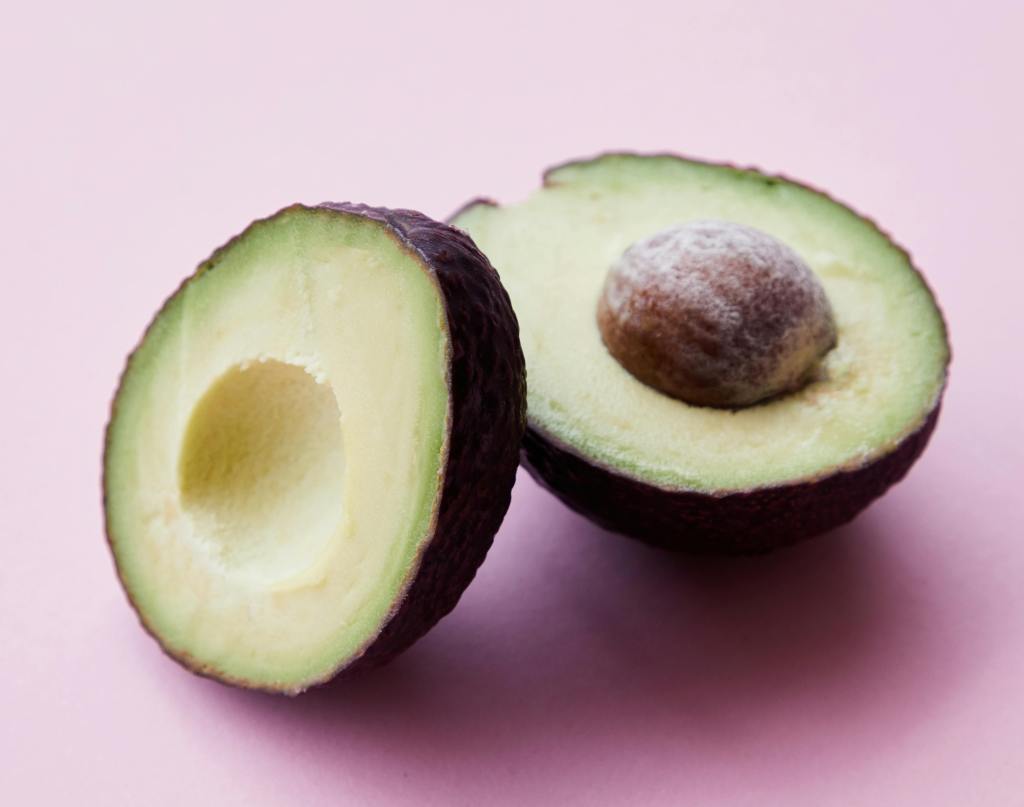
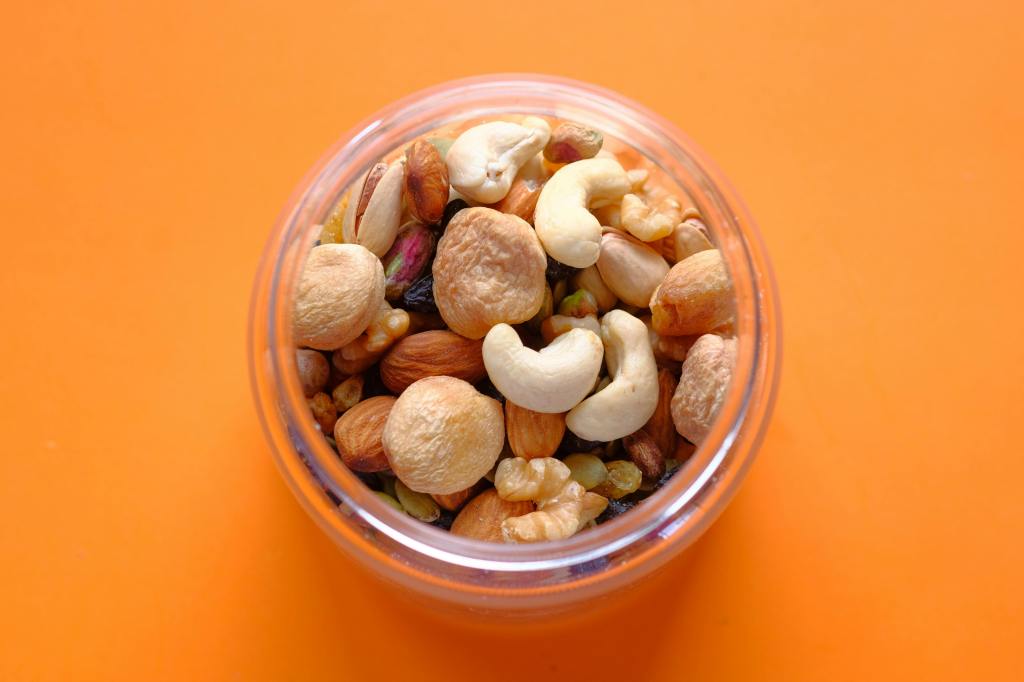
Healthiest High-Fat Foods
Fish 🍣anchovies, herring, salmon, sardines, mackerel.
Avocados 🥑 Avocados are a source of healthy fats that help your body absorb fat-soluble vitamins A, D, E, and K. Avocados are also a source of fiber, which keeps you full for long periods and regulates bowel movements.
Eggs 🍳Opt for eggs that are fortified with omega-3s to support brain and heart health.
Tree Nuts 🥜 Choose nuts that are raw or roasted.
Nut Butter 🥞 Choose nut butter that lists nuts as the only ingredients to reduce sugar intake. Enjoy your favorite nut butter with apples, bananas, or celery. The healthy fats in the nut butter will help your body absorb fat-soluble vitamins in fruits and vegetables.
Dark Chocolate 🍫 Dark chocolate is a sweet treat that’s also a source of healthy fats, which can protect your heart.
Olives and Olive Oil 🫒🍸 Research has found that olives are rich in oleic acid, a monounsaturated fat that protects your heart. Olives are also a source of polyphenols, an antioxidant that protects your cells from damage.
Chia, Flax, Hemp, and Sunflower Seeds🫘Chia, flax, hemp, and sunflower seeds are rich in polyunsaturated fats like omega-3s, which help fight inflammation. These seeds are also a source of fiber, protein, and vitamins and minerals like iron, magnesium, and vitamin E.
Soybeans 🥒 Soybeans are one of the few beans that are rich in protein and a source of essential fatty acids.

Scale
If you have a toxic relationship with the scales, you might want to keep reading. Here is what building lean muscle mass will do for you:
Burns more calories
Create a leaner physique
Reduce your risk of injury
Increase strength, stability, power and endurance
Improve balance and mobility
Improve confidence
Increase energy and vitality
Enhance strength performance
Create metabolic reserve in times of traumas
Increase your metabolic efficiency
Improve insulin sensitivity and improve blood glucose control
Before you start to freak out your weight isn’t moving or it’s going up – realize and remember the difference between losing weight and putting on lean mass!
THE ⚖️ SCALES ALONE IS ONE PIECE OF THE PUZZLE remember to also track your progress through images, measurements, strength, and subjective measures like energy, mood, gains, and hormones.

Vitamin 101
I’m trying to convey the importance of vitamins in the diet and visually show where they can be found in the grocery store. See below for a comprehensive list:
Biotin: Avocados, eggs, salmon, whole grains
Folate: Asparagus, avocado, beans, enriched grains, leafy greens, orange juice
Niacin: Beans, beef, enriched grains, nuts, poultry, seafood, whole grains
Pantothenic Acid: Avocados, beans, broccoli, eggs, milk, poultry, whole grains, yogurt
Riboflavin: Eggs, enriched grains, milk, poultry, seafood, spinach
Thiamin: Beans, enriched grains, nuts, whole grains
Vitamin A: Carrots, dairy, eggs, fortified cereals, leafy greens veggies, peppers, sweet potatoes
Vitamin B6: chickpeas, potatoes, salmon, tuna
Vitamin B12: Dairy, eggs, enriched grains, meats, poultry, seafood
Vitamin C: Broccoli, Brussels sprouts, citrus fruits, peppers, strawberries, tomatoes
Vitamin D: Eggs, fish, fortified cereals, fortified margarine, fortified orange juice
Vitamins E: Fortified cereals, green leafy veggies, nuts, peanut butter, vegetable oil
Vitamin K: Green vegetables (broccoli, kale, spinach, turnip greens, collards, Swiss chard, mustard greens)
If you notice … a lot of these foods overlap! Which is why it’s so important to never restrict yourself on your foods as you may be restricting your body from key nutrients and vitamins that are needed for basic human functioning.

Form comes first every single time!
Perfecting your technique BEFORE adding weight will not only help you get the most out of your session, but it will reduce your chance of getting injured too!
There are SO many other ways to measure progress than just lifting heavier.
Focus on the technique, focus on form, and nail that first!
BEFORE picking up heavier weights. Once you’re confident about all of the above, increase the weight slowly!
Your fitness journey is YOURS. Take it slow and don’t compare your journey to anyone else.

fat-loss vs weight-loss
Protein and weight training are the 2 main tools that we have to help us maintain muscle when we’re dieting.
When we are trying to achieve fat-loss, a calorie deficit creates a catabolic environment which will cause fat loss (which is what we want)
However, that environment can also be catabolic for muscle mass.
Protein and weight training provide the stimulus and the building blocks for muscle growth and retaining lean muscle while dieting. We want to do everything we can to protect and maintain our muscle mass when dieting.
How much protein?
1. Anywhere between 1.6g-2.5g x BW In Kg.
2. Space protein containing meals 3-5hrs apart throughout the day to maximizes MPS (protein muscle synthesis).
Ideally eating 4-5 protein serves per day.
How often should I weight train?
Anywhere between 3-5 sessions per week.
Ensure you are adding progressive overload via reps, load, tempo, range of motion or shorter rest.
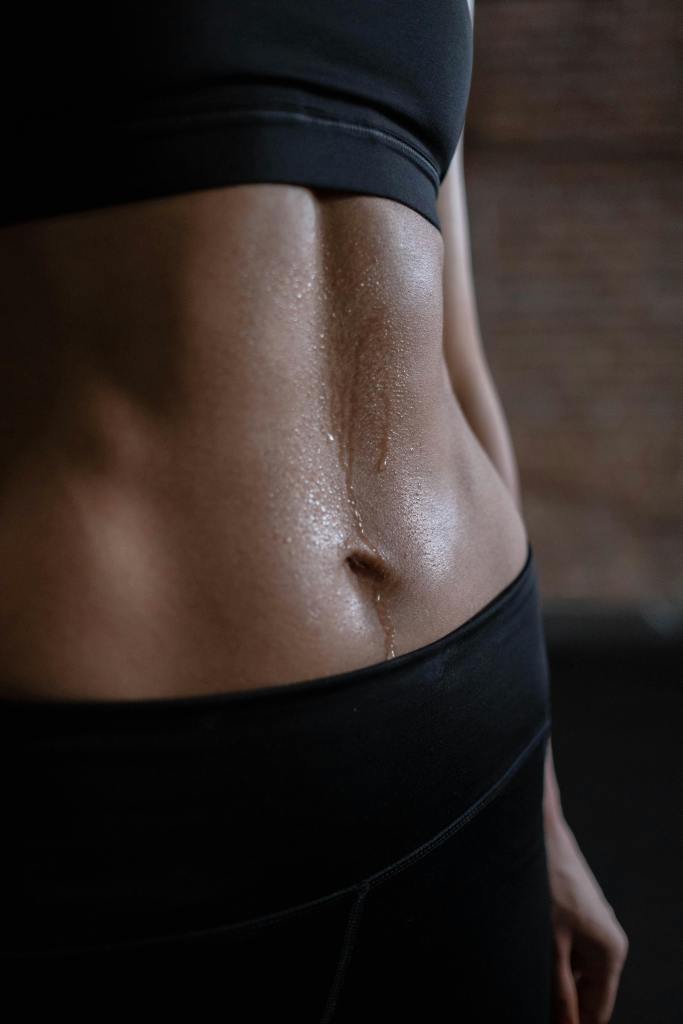
Your pros
Here are my top 3 tips for making your nutrition easy! If you are struggling to HIT your proteins target!
Simplicity!!!!
Don’t get overwhelmed with fancy recipes. 🥛Protein shakes are a time saver – mix up with an 🍏apple and almond butter. Boiled eggs are another fantastic option. They’re perfect for throwing in your bag for a busy day. Greek yogurt is also a great alternative, add oats, seeds and nuts, and a banana!
Prioritize protein on your plate
We all know veggies are important, but don’t let them overshadow the protein! Building a meal around a protein source ensures you get a good dose at every meal. Craving a salad? Add grilled chicken, or tofu, shrimps or smocked salmon!! 🍤
Meal prep
This is a game-changer. Dedicate some time on the weekend to cook bigger batches! Portion them out so you have grab-and-go options for those hectic days. You could also use some of the best prep company if you do not like to cook! XD
Reaching your protein goals will feel effortless. ✌🏻
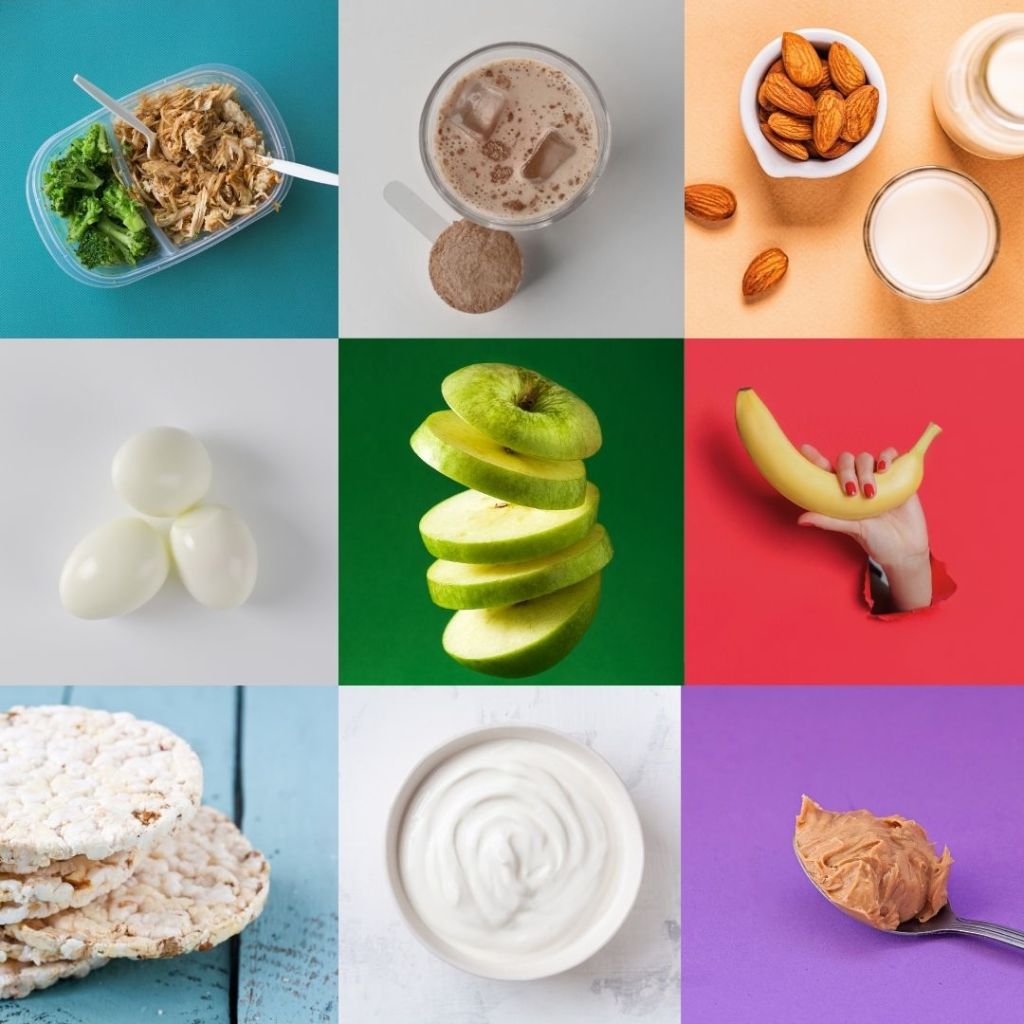
Enjoy the journey!
Your long term goals will come, as a bi-product of your day to day effort.
Seems fairly obvious, but I don’t think enough people remind themselves of this on a daily basis.
I see a lot of people getting so wrapped up in where they want to be long term, that it actually pulls them away from the present. Enjoy the journey!
They are in constant comparison with where they are now to where they want to be. All that does is create distraction.
Because what you are doing right NOW determines where you will be in the future. everything will fall into place as it’s meant to 🫶🏼❤️

A perfect workout for your glutes!
1 exercise for each movement pattern done in a workout for that booty🍑!!
✔️Hip Hinge
romanian deadlift, back extentions, good morning
✔️Knee Dominant
any squat variation, lunges, split squats, step ups, leg press
✔️Trust bridge
hip trusts, kass glutes bridge, glutes bridge from the floor
✔️Abduction
straight leg cable, seated machine abductions

Veggies
Eating vegetables can be beneficial for weight loss for several reasons:
Low in Calories: Most vegetables are low in calories compared to the amount you can consumer. This means you can eat larger portions of vegetables without consuming too many calories, helping you feel fuller for longer while still maintaining a calorie deficit for weight loss.
High in Fiber: Vegetables are rich in dietary fiber, which helps to keep you feeling full and satisfied after meals. Fiber also slows down digestion, which can prevent spikes in blood sugar levels and reduce hunger cravings, ultimately aiding in weight management.
Nutrient Density: Vegetables are packed with essential vitamins, minerals, and antioxidants that are important for overall health. By
including a variety of vegetables in your diet, you can ensure that your body is getting the nutrients it needs while keeping your calorie intake in check.
Water Content: Many vegetables have high water content, which adds volume to your meals without adding extra calories. Eating water-rich foods can help you stay hydrated and feel full, reducing the likelihood of overeating.
Versatility: Vegetables are incredibly versatile and can be prepared in numerous ways, making it easier to incorporate them into your meals and snacks. Whether you enjoy them raw, steamed, roasted, or sautéed, there are endless possibilities for including vegetables in your diet.
Overall, incorporating plenty of vegetables into your meals can support weight loss by
providing essential nutrients, promoting feelings of fullness, and helping you maintain a healthy, balanced diet.


Get your sleep and stress under control and everything else will feel far easier.
Rest is an essential part of building muscle.
If you are not getting enough sleep, your muscles won’t have the chance to repair and grow. Building muscle require a balance of proper nutrition, intense workout and adequate rest.
You probably do not need more discipline, but more sleep and better stress management. 🌸🧘🏻♀️
Chronic fatigue and chronic stress will make it 100x more difficult to choose to workout, to eat veggies, to go outside for walks.
Weight loss becomes super challenging if you are not sleeping enough or managing stress. If you can not get the quantity of sleep you need due for a legit reason you can work on the quality of sleep.
Start to implement some kind of daily stress management habit: meditation, breathing exercises.
Eating to train
Rather than exercising to EAT, you must eat to train! if you find yourself trapped in a cycle of exercising primarily to earn meals or to burn off calories consumed, this can lead to unproductive relationship with both food and exercise.
Shift your mindset to eating to train!
This perspective focuses on fueling your body strategically to help with your performance, increase strength and improve overall training results.
By eating to train the focus shifts from calories restriction to nutrition optimization.
It is a synergy between diet and exercise where each supports and enhances the other, leading to better health outcomes, improved physical performance, and Results! ✌🏻
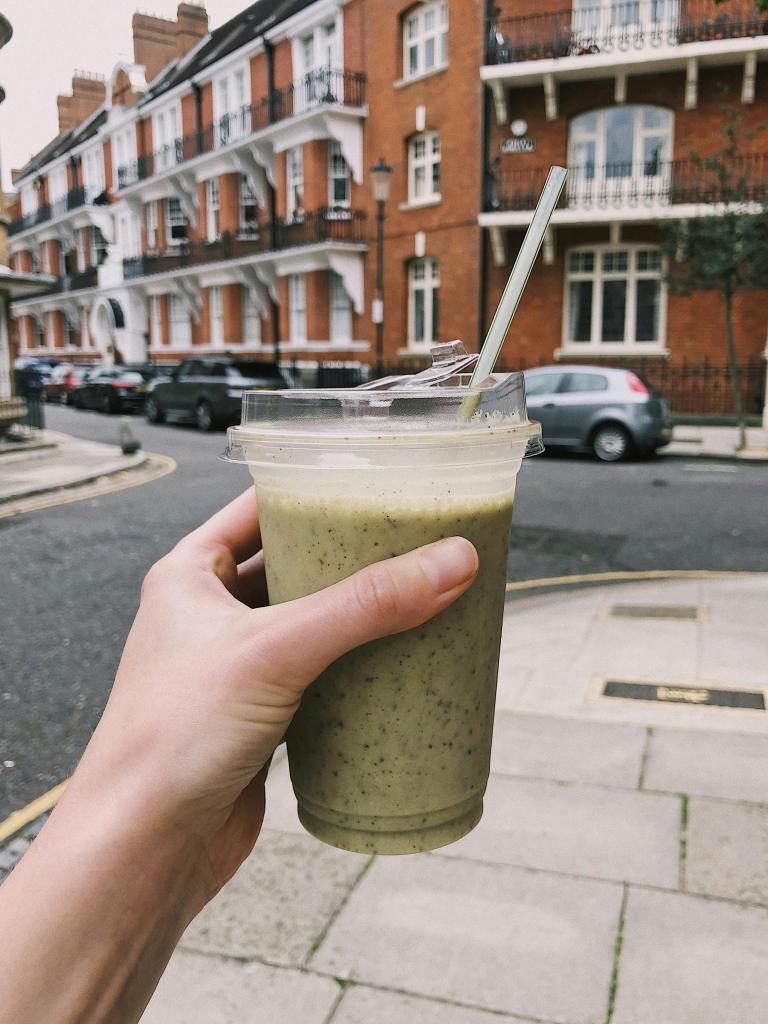
Tracking your progress
Data is king and the more data you have the better decisions you can make regarding your progress. Usually it aint good to just rely too much on one method of monitoring progress since each method is subject to daily fluctuations that can make harder to interpret the data.⠀
We want to use a combination of methods.
⠀
3 pillars of progress: body fat ( skinfolds & circumferences), progress pictures & body weight.
Should you weight yourself?⠀⠀
If you find that the number impacts you emotionally, It may not be the right time for you.⠀⠀
The scale can be a great tool to assess whether you’re making progress, or not. But its not the only data point!
⠀
The number on the scale is JUST a number!
It’s meant to be used as a DATA POINT to track progress over time.⠀
If you decide to use the scale, you MUST NOT get hang up in the day to day changes you will inevitably experience.⠀
⠀
⠀
You can use other measurements of progress like: circumferences, skinfolds, progress pics, how Clothes fit, performance, mindset changes & confidence,⠀
⠀
All are perfectly viable choices that might be better suited for you at the present time.⠀
⠀
Remember…just because you could get emotionally-impacted by the scale now, doesn’t necessarily mean that it will be like this forever.⠀
body image
You’re going to have moments when you don’t feel great about your body. It is OK!
But don’t let yourself get pulled back into unhealthy behaviors.
The goal is not to never have these kinds of unpleasant experiences ever again, but rather to accept that they will come and go, practice self-kindness without judgment, and continue living your life in a way that aligns with your values. Self-compassion has been defined as the tendency to respond to personal distress and inadequacies with self-kindness rather than self-judgment, an attitude of mindfulness rather than over-identification.
This is body image flexibility. https://pubmed.ncbi.nlm.nih.gov/33684721/
Yoga may lead to improvements in positive body image by helping women to view their body less in terms of how it looks, and more in terms of what it can do. https://www.ncbi.nlm.nih.gov/pmc/articles/PMC5869146/

Cardio
Looking good without the conditioning is crazy.
Being fit will allow you to build more muscle as you can recover and handle a higher training volume
If done correctly cardio will not effect your recovery it will only enhance it by
Improved blood flow
lower resting heart rate
increased mitochondrial function
drastically improves sleep quality
That’s the most powerful modifiable lifestyle factor that you can do to increase your life span. Being fit has just benefits!
dm me on insta for more information on personal training and online training! I am based in Business Bay Dubai! Also mobile!

Training volume explained
If you want to grow you need to make sure you are training with enough training volume, this does not necessarily mean going in the gym and doing a ton of sets. Volume is not just sets, training volume is the quality of your sets, execution, load and intensity.
Focus on quality of your sets rather than quantity and you will see more progress vs just going in the gym and doing endless sets with no effort and poor execution.
More advanced you get the harder it gets, this is where you will need to see your volume increase through more sets, load, reps or set extensions if your recovery allows for it.

How does having a Personal trainer benefit you?
Whether you are just getting into fitness, wanting to lose a little bit of weight or wanting to get “toned” , investing into a personal trainer can be a huge part of your success.
So why have a Personal trainer?
1. Accountability – having someone who you can trust is a very important part of this. They will support you when things get tough, help you with coming up with solutions to situations detrimental to your progress, but they will also encourage you with working towards your goals and keep you accountable on a daily basis.
2. Having a plan – have you ever gone to the gym or gone grocery shopping, unsure as to what to do or what to get to take that one step closer to your goals? A PT can help with both of these aspects, creating plans, and so taking a huge amount of stress and pressure off you. With countless training and diet strategies out there, it’s overwhelming to determine which is best for you. When should you switch programs or adjust your diet? While information is abundant, practical application is scarce.
3. Long term results – when working with a personal trainer, the main goal is to provide you with the knowledge and understanding of fitness and nutrition, which you will be able to apply later on in life, whether you are still working with your PT or not. No crash diets with yo-yoing after. The coach is there to educate you on what choices to make, nutrition and training wise, in order to support a long, healthy lifestyle and implement structure to help you reach your goals.
If you are interested in working with me, send me an email contact@bykaley.com or dm me on Instagram, Love K x

RECOVERY
Training hard in the gym is equally as important as recovering!
SLEEP – Sleep is the MOST IMPORTANT thing you can do for recovery.
DON’T OVERTRAIN – Training is super fun, but we can only recover from so much!
EAT ENOUGH CALORIES – fueling your training is a huge part of recovery!
TAKE YOUR DELOADS/DEVOLUME – It will help drop the fatigue that builds up over a training cycle and make sure you are able to realize all of your gains!
DO RELAXING ACTIVITIES – Everyone wants to know what the hot new thing is for recovery or if XYZ works for recovery, but one of the best things you can do to improve your recovery is to do things that help you relax.
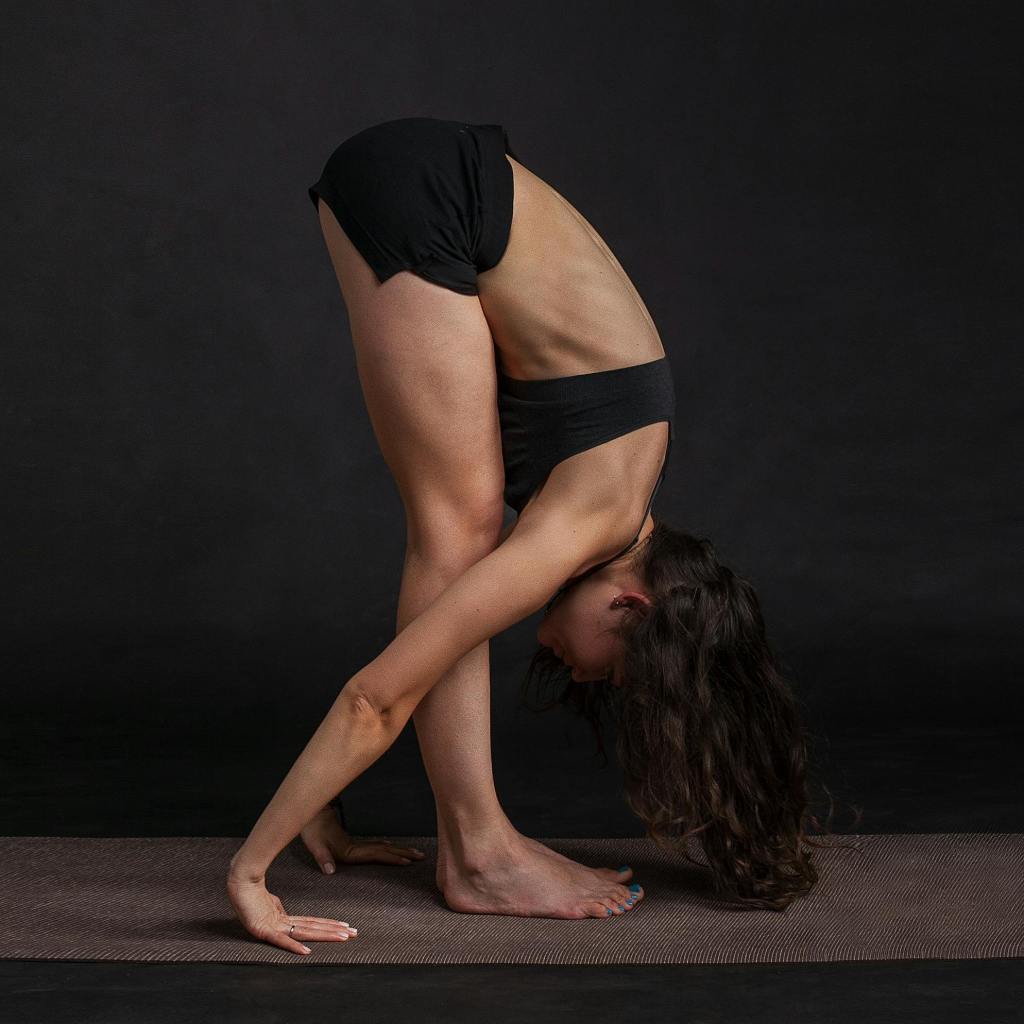
Keep it simple!
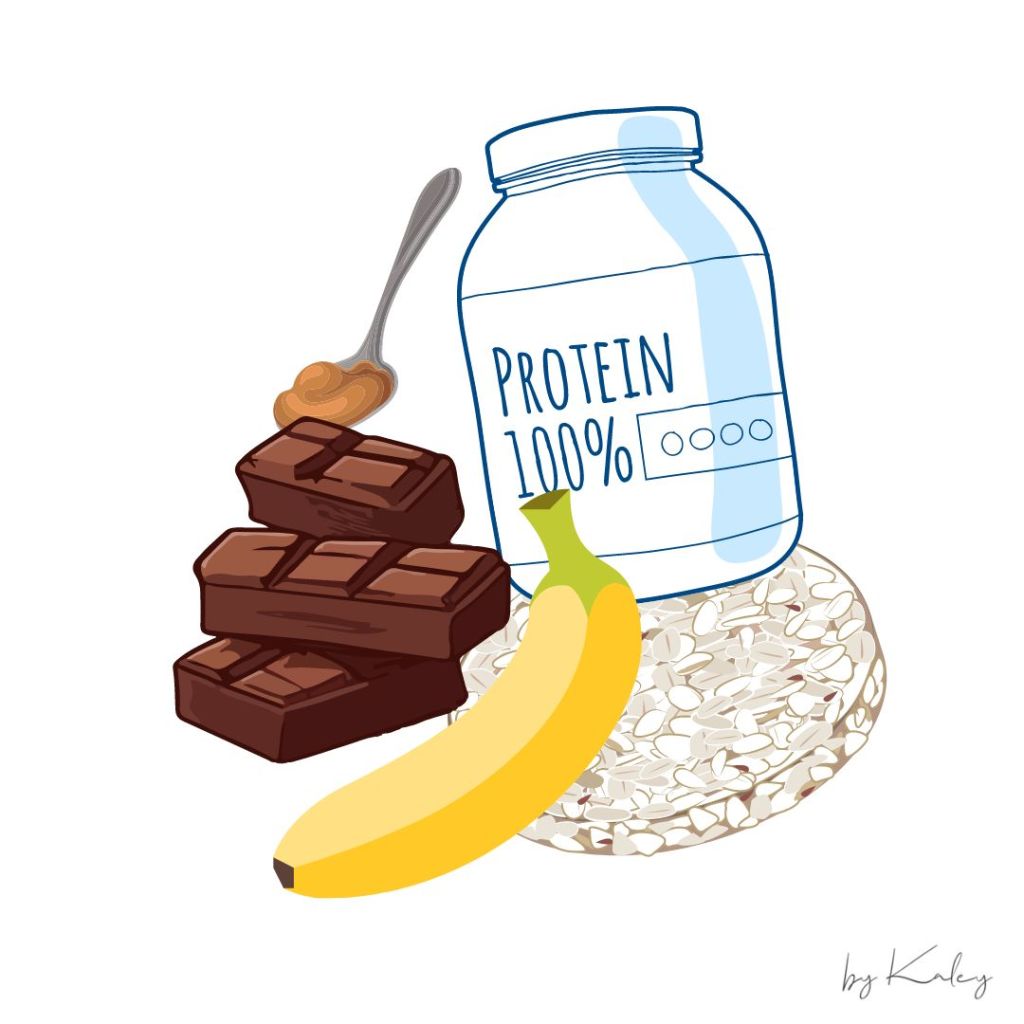


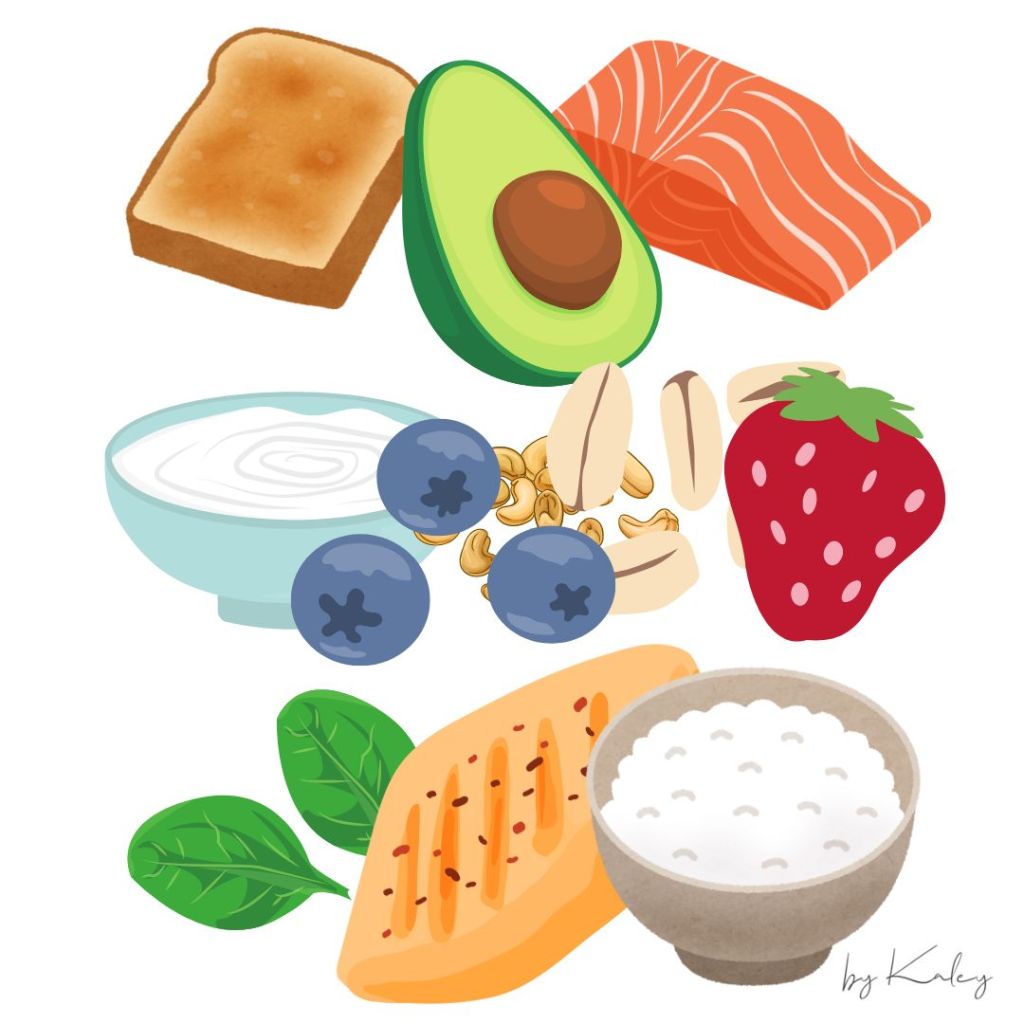


It is easy as Protein + Fat + Carbs and add some micronutrient! Don’t overcomplicate it! For most people, I recommend eating 3-5 meals. This works well to: Provide energy for daily task and for your workouts, maximize muscle growth, you do not have to worry about eating all the time. There is not magical number oof meals that works for everyone. Focus on overall quantity and quality of your diet. Love K
What are the benefits of prenatal yoga?
The best news for women during pregnancy – is that yoga offers so much more than a practice to build strength & flexibility. Clinical evidence is growing to support what many yoga teachers and practitioners already know from experience – that practicing yoga with suitable modifications under the guidance of an experienced prenatal yoga teacher – is a great way to address a whole host of common pregnancy related aches, pains & stressors – making it one of the best choices for women looking for a complete mind/body practice that is safe & effective.
One of the biggest joys for me as a prenatal yoga teacher – is to hear women say that they came to the practice of yoga for the physical benefits, but walked away with SO MUCH MORE.
By highlighting the benefits that are already documented by researchers – it is my aim that more women will turn to the practice of yoga during pregnancy and discover this life-long tool for managing stress, pain & the emotional ups and downs of pregnancy & motherhood.
If you’re tired of waking up due to general discomfort, achey hips & regular trips to the toilet because junior is using your bladder as a trampoline, the great news is that research indicates that women who practice yoga & meditation in their second trimester may have significantly fewer awakenings, less awake time during the night, and less perceived sleep disturbance. Considering that sleep is somewhat of a scarce commodity for most new parents – getting better quality of sleep during pregnancy is a definite bonus!
While some women describe childbirth as an ecstatic experience – there’s no denying that for many women, the potential pain of labor is one of their biggest concerns. Because pain perception is so individual – it’s impossible to know how your body will react until you’re in the moment. In one study – women who did yoga for an hour, three times a week starting at 26 weeks of pregnancy reported lower perceived levels of pain at 3-4cm dilation as well as 2 and 4 hours after that. The research suggested that women who practiced yoga also experienced shorter duration of the second and third stages of labor.
Prenatal yoga may be a viable alternative to other types of treatment for anxiety and depression with less negative affects than treatment as usual – particularly when incorporating breathing (pranayama), meditation and physical postures.
Regular yoga sessions practiced throughout pregnancy may be a natural way for women to decrease stress levels & boost immune function – think of it like your pregnancy multivitamin for the body & the mind.
Excessive stress levels can impact both mother and baby negatively, and in this Japanese study, 60 healthy women were asked to attend yoga classes twice a month as well as practice yoga at home online 3x a week from 20 weeks gestation through to childbirth. Subjective mood states were measured and salivary cortisol levels were also measured before and after the face to face sessions. This study indicated the immediate stress reduction effects of yoga during pregnancy.
Lower back pain during pregnancy can have any number of causes & risk factors such as excessive weight gain, previous lower back pain, prolonged periods of standing or walking, excessive anterior pelvic tilt. Whilst the evidence is still emerging in this field, systematic reviews of research over the last 10 years, have shown that yoga-related exercises may indeed help reduce pregnancy related back pain.

back pain & glutes exercise
The World Health Organization reports that back pain is a major cause of disorder worldwide. It is the most common musculoskeletal disorder with limited pain, muscle tension, and stiffness, and 70-80% of all individuals experience it once in their lifetime, with higher prevalence in women than in men. The widespread nature of back pain contributes to its status as a leading cause of disability and reduced quality of life worldwide. This condition often results in lost productivity, increased healthcare costs, and diminished physical activity levels. Given its prevalence and impact, addressing back pain through preventive measures, early intervention, and appropriate management strategies is crucial for improving global health outcomes.
Training the glutes wasn’t something the average lifter was proud of.
Thanks to scientific advancement and a general increase in training education, however, that mentality’s changed.
Now we’re aware that it’s not only cool, but it’s incredibly important.
With that said, it’s worthwhile to brush up on the why before getting into the how.
And that’s where this article comes in.
The Truth about Your Butt
I was once asked a completely unrealistic question by one of my clients: If there was one muscle group you had to train, neglecting all others, which would you train and view as most important to health and wellness of the body?
As far as the muscle group that would have the greatest “reach” where its healthiness was concerned, I chose the glutes – even before the abdominal complex. They’re the largest and strongest hip extensor in the body, and having those muscles in proper working order can create a list of benefits:
- Strong hip extension
- Hip capsule stability, and improved hip mobility
- Proper knee tracking
- Reduced back stress and prevent back pain
- Low susceptibility to hamstring injury
Needless to say, training the glutes for improved strength and function is a necessity. Your glutes are the powerhouse behind compound movements and general athleticism.
Don’t neglect them, and if you have been and aren’t yet injured, count your blessings. Now’s the time to make a change.

IF
Intermittent fasting (IF) is all about alternating between periods of fasting and eating. Think of it like opening a window – when it’s open, you eat. The most popular approach? A 16-hour fast, followed by an 8-hour eating window.
Here’s why people love IF:
Lower Insulin Levels: Fasting helps reduce insulin, enabling your body to tap into fat for energy. It’s great for managing type 2 diabetes by improving insulin sensitivity.
Reduced Inflammation: IF may help lower inflammation markers, benefiting those with conditions like rheumatoid arthritis.
Fat Loss and IF: While IF can support fat loss, it’s not superior to regular calorie restriction for body composition. It doesn’t have a unique impact on appetite or guarantee higher adherence compared to a typical calorie deficit.

Pre-Workout Nutrition
Pre-workout nutrition is essential to fuel your body for an effective workout, maximize performance, and enhance recovery. The right combination of nutrients before exercising can provide energy, improve endurance, and support muscle function.
Carbs are the body’s primary source of energy during exercise, especially for high-intensity or endurance activities. Consuming carbs before a workout helps maintain blood sugar levels and replenish muscle glycogen, which is the stored form of carbohydrates that muscles use for energy.
Protein is crucial for muscle repair and growth. Including protein in your pre-workout meal or snack helps initiate muscle protein synthesis, supports muscle recovery, and prevents muscle breakdown during exercise.
Fats provide a slow-burning fuel source for longer, moderate-intensity workouts. While fats are not the primary source of energy for high-intensity workouts, they can be beneficial if you’re engaging in endurance activities, like long runs or cycling.
Proper hydration is vital for maintaining performance and preventing fatigue or cramps during exercise. Dehydration can negatively impact your energy levels and focus.
Water is generally sufficient for most workouts. For intense or prolonged sessions (over an hour), consider a drink with electrolytes.
To get the best out of your workout I always recommend you have a little something to eat that includes a good source of carbs about 60 minutes before you go to the gym.
If you train in the afternoon you may not even have to think about this as you will probably recently have had lunch or an afternoon snack.
If you train in the morning I know this can be a little challenging and may take a little more thought.
Now if you’re getting it done super early in the morning and don’t have time to get your snack in, that’s ok!
If you’re straight out of bed and straight out the door and would prefer to train on an empty stomach you can definitely do that. I know there are people that can feel sick or heavy if they eat too close to working out.
Just make sure you eat your breakfast as soon as you can once you’re done training, and make sure that it is rich in protein and carbohydrates to refuel your hard working muscles!
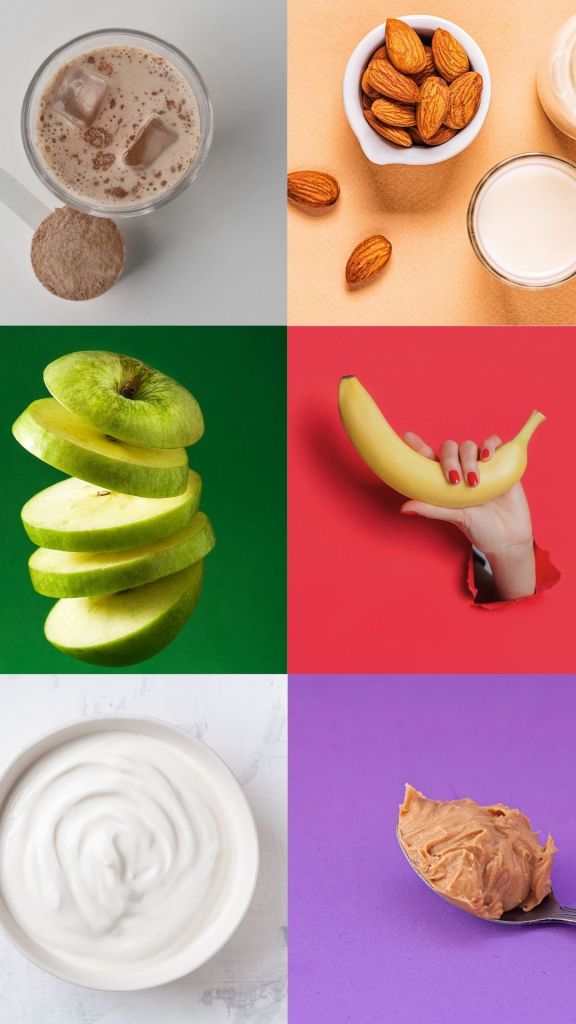
Ankle and hip mobility
Ankle and hip mobility are crucial for squat patterns because they directly influence the depth and quality of the squat, which is essential for maximizing glute engagement and muscle hypertrophy.
☑️Adequate ankle dorsiflexion (the ability to flex the foot upwards) allows you to squat deeper. A deeper squat increases the range of motion,
☑️ ankle mobility and foot stability helps maintain proper knee function and reduces the risk of injury. It also ensures that the force generated during the squat is effectively transferred through the legs and into the glutes.
☑️hip mobility enables a greater range of motion in the squat. This means you can descend lower, getting a fully lengthened and loaded glute to optimize muscle hypertrophy
☑️ Good hip mobility allows for better pelvic positioning. When the hips can move freely, the pelvis can tilt correctly, facilitating a neutral spine and reducing the risk of lower back strain.
In summary, improving ankle and hip mobility allows for deeper squats with better form, maximizing the stretch on the glutes, which is essential for muscle hypertrophy.
🤝My favorite stretch to prep for squat pattern movement and lower body workouts is the prying squat stretch

Brain and protein
While we all know protein is important for muscle, its role in maintaining brain structure as we age is just starting to be understood.
A new study dives deep into how the type of protein you eat—whether from animal or plant sources—affects brain health over time.
Specifically, it focuses on the hippocampus which is critical for learning and memory, and its volume naturally decreases with age.
The study found:
→ Animal protein, particularly from sources like seafood, was linked to slower hippocampus shrinkage over time.
→ Plant protein didn’t show the same brain-protective effects.
This research adds to growing evidence that dietary factors are major players in aging well—both physically and mentally.
Want to dive deeper? Swipe through and check out the full study.


HINGE
The HINGE is (by far) the most effective movement pattern to build strength while preventing injuries…
And if you’re training 1-3x per week? You should be hip hinging every single workout to maximize the massive benefits that this foundational movement pattern has to offer.
But this does NOT mean “just deadlift” 3x per week with a barbell. That’s just silly. Instead, train the hinge pattern in multiple body positions and muscular emphases and starting points to ingrain and solidify mastery of this pattern.
Here’s the 3 hinge variations that should be hit each week:
1. Deadlift variation (Ex. Trap Bar Deadlift)
2. Romanian Deadlift variation (Ex. Dumbbell RDL)
3. Single leg hinge variation (Ex. Single Leg RDL)
The deadlift of choice features a “starting strength” from the bottom up. This is best trained in power and strength rep ranges of 1-6 with heavy loading and concentric strain.
The Romanian deadlift of choice features a hypertrophy and mobility feel with complete range of motion from a top down perspective. More eccentric control, more end range motion. This is best trained in traditional hypertrophy rep ranges 8-15
And the asymmetrical or single leg hinge variations are all about athleticism, power, motor control and skill development. These can be challenged with different rep ranges, balance requisites, loading positions, speeds and tempos. Building your brain as much as your body.
This is a far more organized and well rounded way to train the hinge pattern to maximize mobility, strength and hypertrophy of the posterior chain. And scales long term for superior health and longevity, mitigating risk of lower back pain.
So yes! Hinge every damn day, but NOT just deadlifts…
Common misconceptions!
Myth: Lifting makes you bulky.
Fact: Lifting changes your body composition, building lean muscle and enhancing strength, not adding unwanted size. The ‘bulk’ misconception is usually tied to excess calorie intake, not the weight itself.
Myth: 15 reps will get you toned.
Fact: To achieve a toned look, it’s about lifting heavy, reducing body fat, and following proper nutrition. The combination of muscle growth and fat loss creates that defined appearance.
Myth: You have to keep your body guessing.
Fact: Sticking to a consistent plan over time is key. Progressive overload and structured programming will drive results better than constantly changing things up.
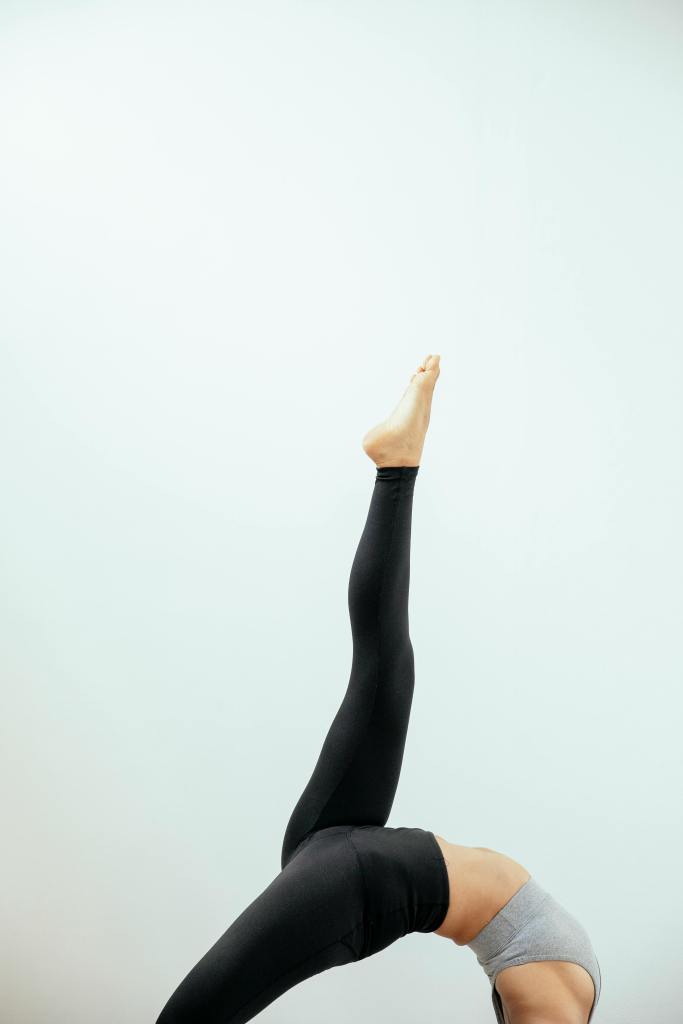
Create Your Recovery Routine
Here’s a simple routine you can follow for better recovery and mobility:
Post-Workout Cool Down: Spend 5-10 minutes walking or lightly jogging to bring your heart rate down gradually.
Foam Roll Key Muscle Groups: Focus on quads, hamstrings, glutes, and back for 1-2 minutes each.
Dynamic Stretching: Do light stretching that includes movement, such as walking lunges or leg swings.
Use a Massage Gun: Target tight areas, spending about 30-60 seconds per muscle group.
Yoga or Mobility Work: Set aside 2-3 days a week for mobility or yoga sessions to improve flexibility and joint health.
Remember, recovery is where the magic happens. It’s the foundation for consistency, preventing injury, and ensuring you’re always making progress toward your fitness goals. Prioritizing recovery and mobility won’t just make you feel better—it’ll make you stronger in the long run.
Stay dedicated to your recovery as much as you are to your workouts, and you’ll unlock new levels of performance!

Let’s break down what you should do/ focus on and what to avoid.
DO’s:
1. Keep a structured routine – Consistency in training and meal timing is crucial for muscle growth.
2. Include your favorite foods – This keeps your nutrition sustainable while hitting your macros.
3. Focus on gym performance – Track progress with performance markers like PRs, not just the scale.
4. Train with intensity – Push yourself in every session to stimulate muscle growth.
5. Prioritize peri-workout nutrition – Eat pre- and post-workout meals that fuel and repair muscles.
6. Rest and recover – Proper sleep and rest days are essential for muscle recovery and growth.
DON’T’s:
1. Don’t follow a dirty bulk – Eating processed junk won’t help muscle growth and can lead to excess fat gain.
2. Don’t under-eat one day and overeat the next – Inconsistent eating can slow your progress.
3. Don’t combine HIIT and cardio with lifting – This can interfere with recovery and muscle growth.
4. Don’t obsess over the scale – Muscle weighs more than fat, so focus on how you feel and perform.
5. Don’t think muscle grows fast – Muscle gain is slower than fat loss, be patient and consistent.
6. Don’t neglect rest – Overtraining can lead to injury and slow your progress.
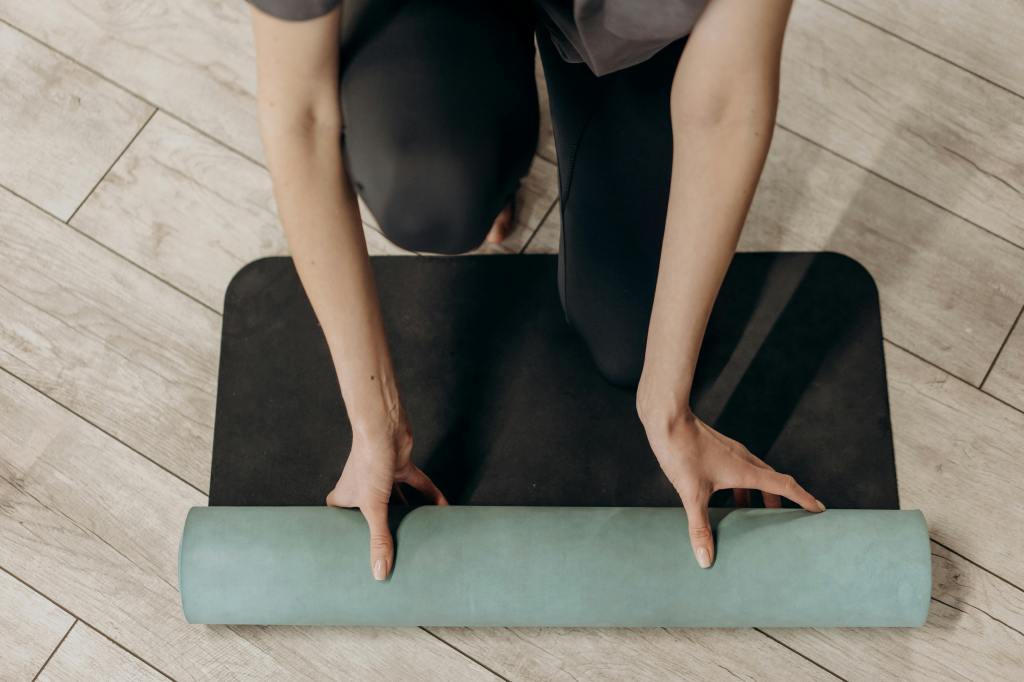
DEXA
DEXA (Dual-Energy X-ray Absorptiometry) Scan offers the most accurate baseline assessment available, and it’s a game-changer in making adjustments for your fitness plan.
Why a DEXA Scan?
Unlike the scale or body fat calipers, which can give you fluctuating or inconsistent measurements, the DEXA Scan provides a comprehensive, precise breakdown of your body composition. It measures not only your overall weight but also your fat mass, lean muscle mass, and bone density. This is critical because understanding how much muscle vs. fat you have, and how your body stores fat, sets the foundation for optimizing your workout and nutrition.
Key Data Points from the DEXA Scan
Here’s what you get from a DEXA scan and how to use each metric to guide your fitness goals:
- Fat Mass and Percentage:
This is the total amount of fat in your body. The scan breaks it down regionally, so you can see where you store fat (abdomen, legs, arms, etc.). Use this information to tailor your workouts or dietary adjustments, focusing on fat loss in specific areas.
- Lean Muscle Mass:
This measurement shows the amount of muscle tissue in your body. If you’re aiming to build muscle, this is your baseline. You’ll know exactly how much lean mass you’re starting with and can track muscle growth over time, adjusting your strength training as needed.
- Bone Density:
Your bone health is crucial, especially if you’re lifting weights or involved in high-impact activities. A higher bone density indicates stronger bones, reducing your risk of injury. If your bone density is lower than expected, incorporating more resistance training or adjusting your diet to include more calcium and Vitamin D can be beneficial.
- Visceral Fat:
This is the fat surrounding your organs, and it’s a key indicator of your overall health. High levels of visceral fat are linked to cardiovascular disease and metabolic issues. If this number is high, it’s a sign that you need to prioritize fat loss not just for aesthetics but for long-term health.
Using This Data for Your Fitness Journey
The beauty of a DEXA scan is that it provides objective, actionable insights. From there, you can tailor your plan:
- Adjust Your Training: If your goal is muscle gain, knowing your lean muscle mass helps you track progress and adjust training volume to stimulate more growth. If fat loss is the target, seeing where fat is stored can help you focus on both strength training and cardio in the right balance.
- Refine Your Nutrition: The DEXA scan is also a valuable tool for dialing in your diet. Whether you’re working towards muscle gain or fat loss, knowing your body fat percentage and lean mass helps you calculate your caloric needs with more accuracy, ensuring you’re hitting your protein and macronutrient goals.
- Monitor Progress: One of the best things about the DEXA scan is that it’s repeatable. You can come back every few months to get another scan and see exactly how your body has changed. This data gives you clear markers for progress and helps you make strategic adjustments to your workout or nutrition plan.


I don’t do cardio to burn calories.
I cardio to improve my heart health, lung health, and overall performance.
I don’t lift weights to burn calories.
I lift weights to get stronger, feel better, reduce my risk of injury, and improve my performance.
I don’t eat high-quality foods because I’m obsessed with eating as few calories as possible.
I eat high-quality foods because I like the way they make me feel, and I enjoy the strength and health benefits that they provide.
My health and fitness are about much more than how many calories I burn and eat each day.
And I think yours should be too.

The Power of Sleep in Fitness
When it comes to fitness, most of us focus on workouts, nutrition, and supplements. But there’s a critical component often overlooked—sleep. Think of sleep as your secret weapon for recovery, performance, and overall well-being. It’s not just about recharging your energy; sleep is where the magic of muscle repair, fat loss, and mental clarity happens.
Here’s a closer look at why sleep is just as important as hitting the gym and eating right, and how you can maximize it to reach your fitness goals.
Why Sleep Matters for Fitness
1. Muscle Repair and Growth
During deep sleep, your body produces growth hormone, which is essential for muscle repair and development. If you’re skimping on sleep, your gains may plateau because your body isn’t getting the recovery time it needs to build stronger muscles.
2. Energy Replenishment
Sleep restores glycogen levels, which fuel your workouts. Without adequate sleep, your energy stores deplete, leaving you sluggish and underperforming during training.
3. Cortisol Regulation
Sleep helps lower cortisol, the stress hormone. Elevated cortisol levels can lead to muscle breakdown, fat retention, and even hinder workout recovery.
4. Hormone Balance
Quality sleep regulates hunger hormones like ghrelin (which makes you hungry) and leptin (which helps you feel full). Poor sleep can throw these hormones off balance, leading to cravings and overeating.
The Impact of Sleep on Performance
🔹 Improved Athletic Performance: Research shows that athletes who prioritize sleep see improvements in speed, accuracy, and reaction times. Whether you’re lifting weights, running, or playing sports, sleep gives you an edge.
🔹 Faster Recovery: Sleep reduces inflammation, alleviating post-workout soreness and speeding up recovery time.
🔹 Sharper Focus and Motivation: Lack of sleep fogs your mind, making it harder to stick to your fitness routine and give 100% during workouts.
How to Optimize Sleep for Fitness
Making sleep a priority doesn’t mean just getting more hours—it’s about improving quality too. Here’s how:
1. Stick to a Routine
Go to bed and wake up at the same time every day. Aim for 7–9 hours of sleep to give your body enough time to recover.
2. Unplug Before Bed
Limit screen time an hour before sleep. Blue light from devices interferes with melatonin, the hormone that regulates sleep.
3. Create a Sleep-Friendly Environment
- Darkness: Use blackout curtains or sleep masks.
- Quiet: Consider earplugs or white noise machines.
- Cool: Set your room temperature to around 65°F (18°C).
4. Relax and Wind Down
Incorporate pre-sleep routines like stretching, meditation, or reading to signal your body it’s time to rest.
5. Track Your Sleep
Devices like the Oura Ring or Whoop can help monitor your sleep patterns, allowing you to make informed adjustments.
Supplements to Support Sleep and Recovery
Sometimes, even with the best habits, you may need additional support. Consider these sleep-enhancing supplements:
💊 Magnesium Glycinate: Relaxes muscles and calms the mind for deeper sleep.
💊 Melatonin: A natural sleep aid that helps regulate your sleep-wake cycle.
💊 Ashwagandha: Lowers cortisol and promotes relaxation.
💊 ZMA (Zinc and Vitamin B6): Popular among athletes for improved recovery and sleep quality.
💊 Valerian Root: A natural remedy used for centuries to enhance sleep.
⚠️ Note: Always consult with a healthcare professional before adding supplements to your routine.
The Bottom Line
Sleep isn’t a luxury—it’s a necessity for anyone serious about fitness. By prioritizing rest, you’ll see improvements in your workouts, recovery, and overall health. Remember, fitness progress doesn’t just happen in the gym; it happens when you give your body the rest it deserves.
So, the next time you’re tempted to sacrifice sleep for an early workout or late-night Netflix binge, think again. Your gains, energy, and performance depend on it.
Sweet dreams and stronger lifts! 💤

Processed foods often get a bad rap
Processed foods often get a bad rap, and while whole, nutrient-dense foods are generally the best option, processed foods can have a place in a balanced diet—especially in specific situations. In some cases, they may indeed be better than eating nothing at all. Processed foods are those altered from their original form for preservation, flavor, convenience, or nutrition. They range from minimally processed items (like bagged spinach) to ultra-processed snacks (like chips or candy).
When Processed Foods Are Better Than Nothing
- During Food Insecurity or Limited Access
- Processed foods, like canned soups, frozen meals, or packaged snacks, provide a source of calories, protein, and other nutrients when fresh options are unavailable.
- Fortified foods (e.g., breakfast cereals, plant-based milks) can fill nutritional gaps with added vitamins and minerals.
- For Convenience and Time Constraints
- Ready-to-eat processed foods (e.g., energy bars, prepackaged meals) can prevent skipping meals, especially for those with busy lifestyles.
- Skipping meals often leads to low energy, irritability, and potential overeating later.
- To Meet Immediate Energy Needs
- Athletes or active individuals may benefit from processed snacks like sports drinks or energy gels during prolonged exercise for quick energy.
- To Combat Malnourishment or Weight Loss
- In cases of illness or recovery where appetite is low, processed foods like meal-replacement shakes can provide necessary calories and nutrients to prevent further weight loss.
- For Emotional Comfort in Moderation
- Food is also about enjoyment. Occasionally indulging in processed comfort foods can support emotional well-being and prevent feelings of restriction.
Not all processed foods are created equal. Opt for options that balance convenience with nutrition:
- Minimally Processed
- Canned beans, frozen vegetables, and pre-cooked grains (like quinoa or rice).
- Fortified Foods
- Cereals, breads, or dairy alternatives with added nutrients like calcium or iron.
- Packaged Foods with Simple Ingredients
- Nut butters, protein bars, or trail mix without excessive additives.
- Convenient Proteins
- Canned tuna, rotisserie chicken, or pre-seasoned tofu.
While processed foods can be beneficial, they shouldn’t replace whole foods entirely. Over-reliance can lead to:
- Excessive intake of sodium, sugar, and unhealthy fats.
- Lack of fiber, leading to poor digestion and gut health.
- Missing out on essential nutrients found in whole foods like fresh fruits and vegetables.
Processed foods, when chosen thoughtfully, can serve a purpose and may be better than skipping meals or going hungry. However, they are most effective when used as part of a balanced diet, complemented by whole, nutrient-dense foods whenever possible. Context matters—sometimes, convenience and practicality win!
Don’t Skip Leg Day
Your legs house some of the largest muscle groups in your body, including the quads, hamstrings, and glutes. When you train these muscles with compound movements like squats, deadlifts, and lunges, your body releases anabolic hormones like testosterone and growth hormone. These hormones don’t just help your legs—they stimulate growth and recovery in other muscle groups too. That means leg day benefits your entire body.
- Builds Functional Strength
Strong legs aren’t just for aesthetics—they’re essential for functional movements in your daily life. Whether it’s walking, climbing stairs, or carrying heavy groceries, your lower body plays a key role. Training your legs helps improve your overall balance, stability, and coordination, reducing the risk of injuries both in and out of the gym. - Improves Longevity and Joint Health
Leg training strengthens more than just muscles—it builds bone density and reinforces the ligaments and tendons around your knees, hips, and ankles. This is crucial for maintaining mobility as you age, reducing the risk of osteoporosis, and ensuring you stay active well into your golden years. - Enhances Athletic Performance
Whether you’re a runner, a cyclist, or someone who loves recreational sports, strong legs are the engine that powers your performance. Exercises like Bulgarian split squats, Romanian deadlifts, and box jumps not only build explosive strength but also improve your agility and endurance.

Today, people like us are OUTLIERS.
Being proactive with your health and wellness through calculated training, quality nutrition, sound sleep habits and tools to manage stress and recovery is what the healthy do.
Investing not only their money, but more importantly their time, energy, focus and efforts on protecting their health with common sense principle based strategies to live better.
But don’t be surprised when your healthy habits and action steps personally offend those who choose to do the opposite in their own lives. Being sedentary, eating garbage “food” and draining days away mindlessly on screens instead of sleep.
But your personal health and wellness was never about them. It’s always been about you. And how you live your best life today, and set yourself up to thrive into the future.
Today, people like us are OUTLIERS.
We’re already healthier, happier and higher performing than the sick, fat and sad average person out there doing nothing. But that’s again not what it’s about…
Our investments into ourselves are to ensure we’re doing everything we can do be our best, to optimize our health, and to set an example for ourselves and those around us.
Every day you choose to take action in the gym, make smart choices in the kitchen, choose to unplug at home, and live in the present moment mentally? It’s a great day.
And if you’re in need of professional guidance, support, assistance or just motivation and accountability?
Never feel guilty for investing in your health with a personal trainer. In my experience, this investment is the wisest you’ll ever make with unlimited upside and return on investment.
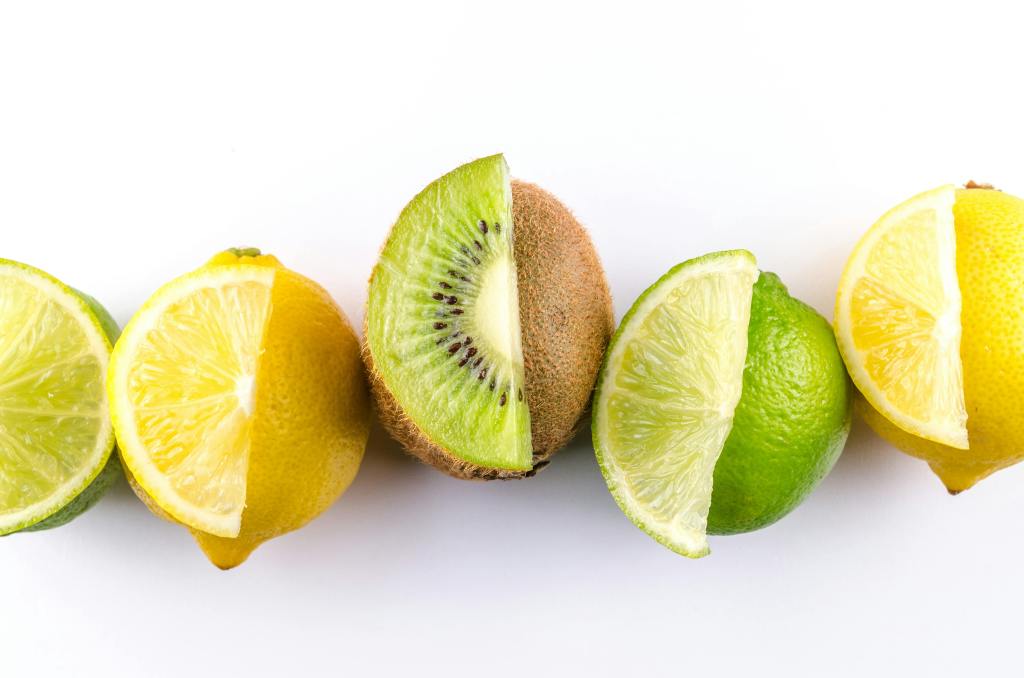
No Fluff, Just Facts
Holidays don’t make you gain weight—your choices do. If you’re serious about staying on track, stop making excuses and start taking responsibility. Here’s the deal:
You Don’t Need to Eat Everything
Choose a few indulgences you genuinely enjoy, savor them, and move on. That second slice of dessert? It’s not mandatory—it’s a decision. Make it count.
Your Routine Isn’t On Holiday
The gym isn’t closed for weeks, and your legs didn’t forget how to walk. You can still work out, hit your protein goals, and stay active. The only thing standing in your way is excuses.
Alcohol = Empty Calories
Want to enjoy a drink? Go for it—but don’t be shocked if the scale creeps up after nightly cocktails. Be smart about it: stick to one or two drinks, and stay hydrated by keeping water close at hand.
Prevention Beats Regret
Big meal coming up? Plan ahead by keeping earlier meals light with lean protein and veggies. Overindulged yesterday? Don’t spiral—reset and get back on track today.
Accountability Saves Progress
If you’re tracking your food or have non-negotiables like steps or workouts, stick with them. Don’t let “holiday mode” turn into “I’ll start again next year” mode.
Bottom Line
The holidays aren’t a free pass to undo your progress. Enjoy the season, but take ownership of your choices. Results don’t care about holidays—they care about consistency and effort.

Fat loss
I know how frustrating it is to try losing weight for months and years, I promise you it doesn’t have to be that way.
If you are trying to make fat loss happen but keep going from zero to one hundred because you’re dieting from a place of frustration, from a place of impulsivity even (like stepping on the scale and being fed up with a higher number than you want, or seeing a picture of yourself and deciding your diet is going to start tomorrow for the last time), I say with so much love, but that isn’t serving you or going to make your fat loss goal a reality. This is exactly why so many people give up early in the diet and why the weight comes back on so easily. The very strategy you think is going to lead to faster, better results is likely the very one holding you back.
I work with my clients to reach a rate of fat loss that puts them on as MANY calories as possible while seeing progress week by week, with no foods considered off limits (other than allergies of course!), and guess what? We see amazing results time and time again!
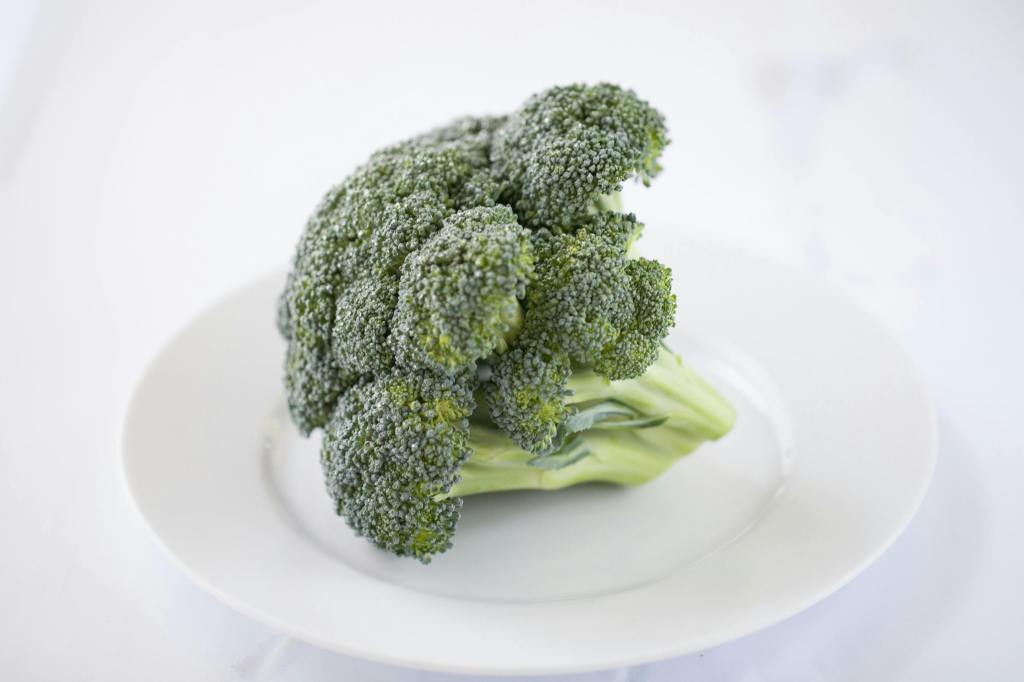
hormones
Here’s a *very* brief overview of how some hormones play a role in muscle growth and development.
Hormones play a key role in muscle growth and development by regulating processes like protein synthesis, cell growth, and recovery.
1. Testosterone
Higher testosterone levels support greater muscle mass and strength, which is why testosterone levels are often associated with muscle-building success.
2. Growth Hormone (GH)
GH boosts muscle recovery and fat metabolism, promoting muscle growth and reducing fat stores.
3. Insulin-Like Growth Factor (IGF-1)
Helps repair muscle tissue after exercise, contributing to muscle hypertrophy (growth).
4. Cortisol
Chronic high levels of cortisol can interfere with muscle growth by promoting muscle protein breakdown.
5. Insulin
Post-exercise, insulin helps transport nutrients into muscle cells, which can enhance recovery and muscle-building.
6. Estrogen
In women, estrogen can help prevent excessive muscle breakdown, supporting long-term muscle health.
The balance between these hormones, along with other factors like nutrition, sleep, and exercise, is crucial for optimal muscle growth and recovery.
(PMID 16705054, 18801860)
(PMID 24322650, 29051191, 25866834)
(PMID 37716136, 30697162, 30930293)
(PMID 21058750)
(PMID 11577173)
Wondering about the best way to support these hormones?
Start with eating adequate calories for your energy expenditure and prioritizing a micronutrient-rich diet
Aim to sleep at least 7 hours daily
Exercise regularly, resistance train, maintain a healthy weight
Manage chronic stress
Get regular bloodwork done to assess your levels and your trends over time. HRT and/or medical support may be a good fit for you (speak to a qualified provider if this is of interest to you)


Fitness
Let’s face it—comparison is the ultimate fitness buzzkill.
The truth? Fitness isn’t a competition against others; it’s a journey to outdo yourself.
Every time you step into the gym, prep a healthy meal, or just show up for you, you’re winning. When you compare yourself to others, you’re fighting battles that aren’t even yours. It’s harsh, exhausting, and, honestly, a waste of your energy.
The only person you should aim to beat is the one staring back at you in the mirror. Be better than that person, one rep, one meal, one day at a time.
Focus on your journey—it’s the only one that truly matters.
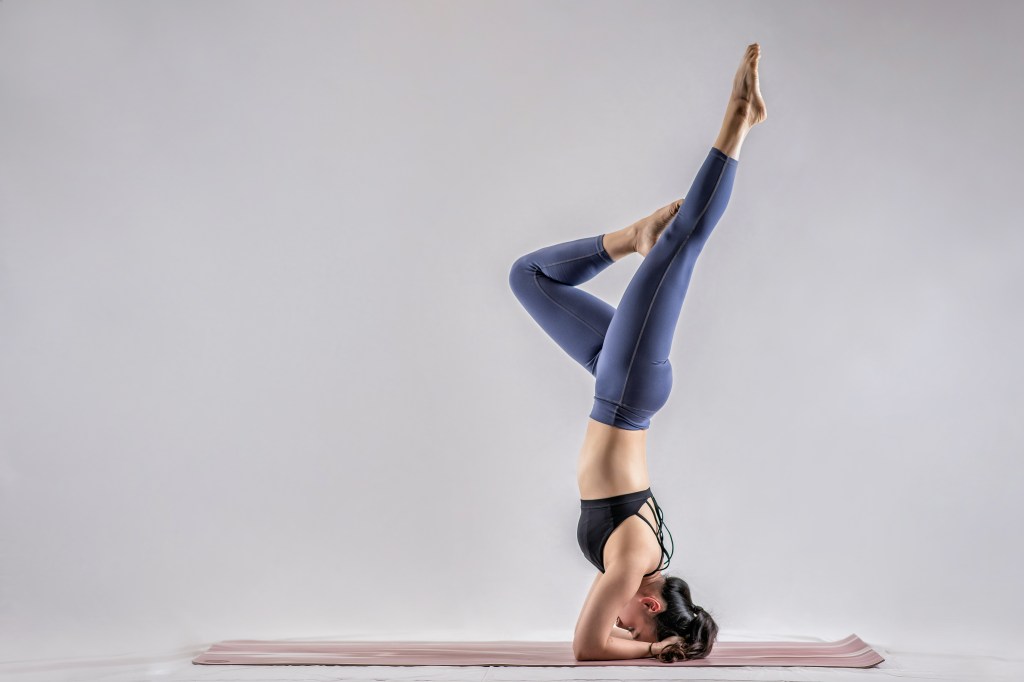
Resistance training
By the time you’re 70, the effects are hard to ignore: 30% of adults over age 70 struggle with walking, standing up from a chair, or climbing stairs. This loss of strength and mobility isn’t just inconvenient—it’s life-altering.
Typically, muscle mass and strength increase steadily from birth and reach their peak at around 30 to 35 years of age. After that, muscle power and performance decline slowly and linearly at first, and then faster after age 65 for women and 70 for men.
But here’s the good news: You can fight back.
Resistance training is one of the most effective ways to preserve muscle, improve mobility, and maintain independence. Strength training triggers molecular changes that enhance muscle function, improve metabolism, and reduce frailty.
Key benefits include:
- Preserving muscle mass and strength
- Supporting weight management and body composition
- Improving balance and reducing fall risk
- Enhancing overall physical resilience
Muscle isn’t just for athletes—it’s your ticket to staying mobile and independent as you age.
How are you keeping your muscles strong this week?
The Fats Every Woman Needs for Hormones, Energy, and Health

Healthy fats are crucial for women’s hormone health, energy, and brain function—they’re the foundation for regulating mood, menstrual cycles, and even nutrient absorption.
Key sources to include
•Omega-3s: Fish, flaxseeds, chia seeds.
•Monounsaturated fats: Avocados, olive oil, almonds.
•Saturated fats (in moderation): Coconut oil, dark chocolate.
Without enough healthy fats, you risk hormonal imbalances, fatigue, and poor recovery.
 What’s your favorite fat source?
What is confidence?
By definition, confidence is self-belief. It’s knowing we have the capacity to navigate and overcome life’s challenges and it’s the willingness to face these challenges when they arise.
It means that we understand the depth of our potential. If we want to do something, we know we will be able to achieve it.
Capability and the desire to take action.
Part of this comes from creating a sense of authority in oneself, to exude this capability.
We aren’t necessarily born with confidence.
Some individuals may naturally put themselves forward more than others, they may be more willing to get uncomfortable, less held back by fear of failure or rejection. Others, may be learning to navigate the unknown or the uncomfortable.
But, confidence is inherently a learnt trait.
So, how do we learn something, and master it?
Exposure.
Exposure to the unknown, and the uncomfortable, time spent realising our potential and capacity to DO.
Failure.
Time spent failing, but realising we can pick ourself up and keep going – that we are only held back by our own limiting beliefs.
We need to develop a strong sense of agency. This is the feeling of control we have over our own actions, and through this our sense of control over external events. And this only comes from doing what you said you’d do, and believing yourself when you make a promise, goal or plan.
Learn to understand that you have complete control over how you think, and what you do – and this control will change your interactions with your world.
Establishing confidence – starts with action.
Trust in yourself enough to know you can get to that end point, once you start the journey, and respect yourself enough to commit to anything you want to achieve.
“Confidence is not about knowing you will always succeed. It’s about knowing you can handle whatever comes your way. Believe in yourself, take the leap, and trust that you’ll land on your feet. The journey may not be perfect, but your belief in yourself is the fuel that will drive you to greatness.”

Boost Your Metabolism: Tips for a Healthier, Fitter You!
Your metabolism plays a vital role in determining how efficiently your body burns calories and converts food into energy. A faster metabolism not only helps with weight management but also improves energy levels and overall health. Here are some effective ways to give your metabolism the boost it needs:
Stay Hydrated
Drinking plenty of water is essential for a healthy metabolism. Dehydration can slow down metabolic processes, so aim to drink at least 8-10 glasses of water per day. Adding a glass of cold water may even give you a temporary boost as your body works to warm it up.
Strength Training
Building muscle through strength training can help increase your resting metabolic rate. Muscle tissue burns more calories at rest than fat tissue, so incorporating weightlifting or resistance exercises into your routine can have long-term metabolic benefits.
Don’t Skip Meals
Skipping meals can put your body into “starvation mode,” slowing down metabolism to conserve energy. Instead, eat small, balanced meals throughout the day to keep your metabolism active.
Get Enough Sleep
Lack of sleep can disrupt hormonal balance, leading to a slower metabolism. Aim for 7-9 hours of quality sleep each night to support optimal metabolic function.
Improving your metabolism is about making small, consistent changes to your diet and lifestyle. By staying active, eating smart, and prioritizing rest, you can enhance your body’s ability to burn calories and stay energized. Start today and set the tone for a healthier, fitter you!
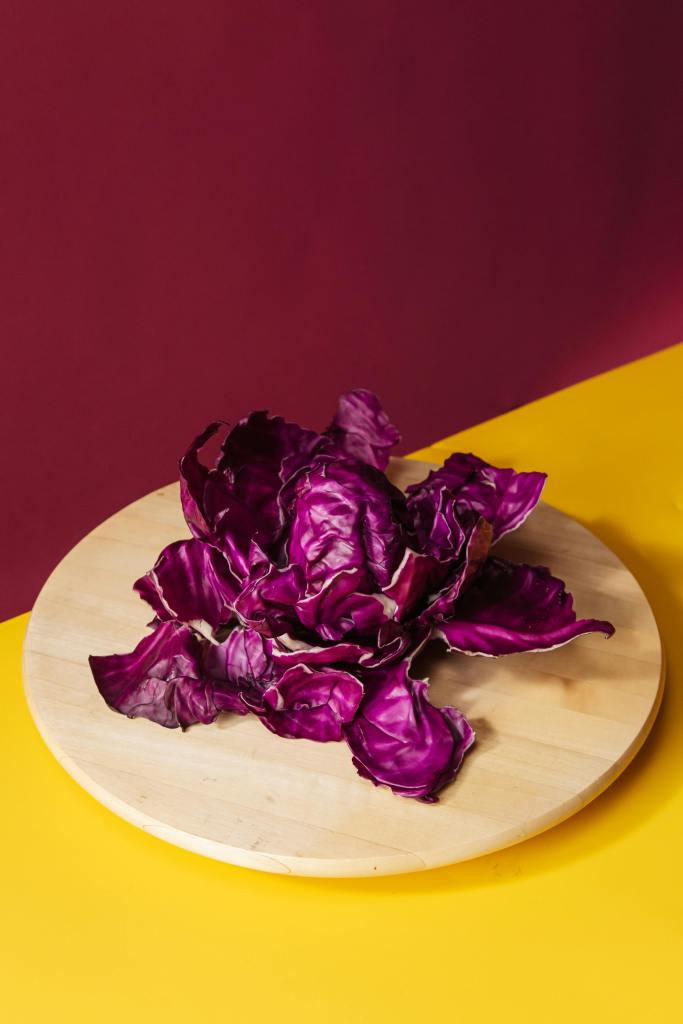
how to build a balanced meal
Lean Protein  : Choose sources like chicken, turkey, fish, tofu, or legumes to help build and repair muscle.
Vegetables – Colors  : Fill your plate with a variety of colorful veggies to get a range of vitamins, minerals, and antioxidants.
Carbohydrates  : Include complex carbs like whole grains, quinoa, sweet potatoes, or brown rice to provide energy and support overall health.
Healthy Fats : Add healthy fats such as avocado, nuts, seeds, or olive oil for essential fatty acids and to support brain and heart health.ù
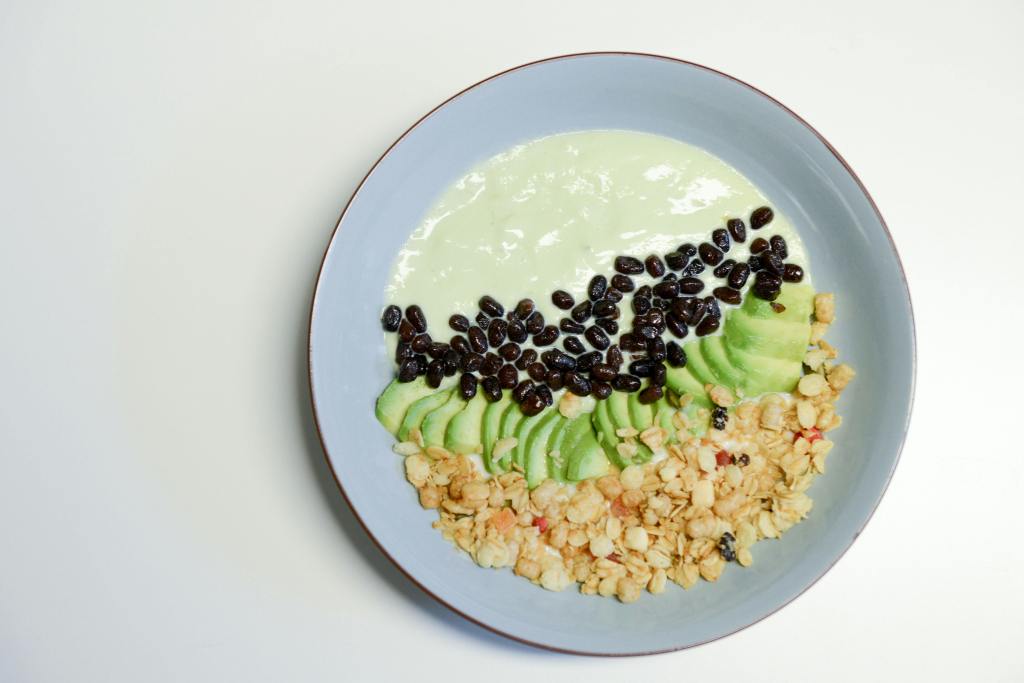
PERMA Model
Well-being Theory
Happiness is a slippery concept. Sometimes it seems to us like the Holy Grail: mythical, wonderful, but probably unobtainable. But Positive Psychology suggests that happiness is more than obtainable. It is the natural result of building up our well-being and satisfaction with life. Professor Martin Seligman spent many years developing a theory of happiness. He wanted to identify the building blocks of well-being. He drew up a five-sided model of well-being called the PERMA model.
These are the five elements Seligman found essential to human well-being:

Each of these elements is essential to our well-being and satisfaction with life. Together, they form the solid foundation upon which we can build a happy and flourishing life.
Positive Emotion
When someone asks you whether you are satisfied with your life, your answer depends heavily on the mood you are in. When you are feeling positive, you can look back on the past with gladness; look into the future with hope; and enjoy and cherish the present.
Why?
Positive emotions have an impact that goes far beyond bringing a smile to our faces. Feeling good helps us to perform better at work and study; it boosts our physical health; it strengthens our relationships; and it inspires us to be creative, take chances, and look to the future with optimism and hope. Feeling good is contagious. Seeing smiles makes us want to smile. Hearing laughter makes us feel like laughing. And when we share our good feelings with others, they appreciate and enjoy our company.
We have all experienced highs and lows in life, but we are doing ourselves harm when we dwell on the lows. If we look back on the past with pain and regret, we will become depressed. If we think of the future and worry about danger and risk, we become anxious and pessimistic. So it is incredibly important to recognise the positive emotions we feel, so that we are able to enjoy the present without worry and regret.
How?
What is it that makes us feel good? It might be spending time with friends and family, engaging in hobbies, exercising, getting out in nature, or eating great food. We need to make sure there is always room in our lives for these things. Positive Psychology research has identified certain skills and exercises that can boost our experience of positive emotions. We can learn to feel them more strongly, and to experience them for longer. Cultivating positive emotions makes it easier to experience them naturally. Many of us have an automatic tendency to expect the worst, see the downside, and avoid taking risks. If we learn to cultivate positive feelings about life, we begin to hope for the best, see the upside, and learn to take great opportunities when they come along.
Engagement
We don’t thrive when we are doing nothing. We get bored and feel useless. But when we engage with our life and work, we become absorbed. We gain momentum and focus, and we can enter the state of being known as ‘flow’. In Positive Psychology, ‘flow’ describes a state of utter, blissful immersion in the present moment.
Why?
In a word: momentum. When you are lying in bed, it is often hard to convince yourself to throw off the covers and plant your feet on the ground. You worry about the cold. You feel tired and sluggish. You lie in bed, thinking but not getting anywhere. But when you are running, you don’t question anything. You are flying through space: one foot goes in front of the other, and again, and again, because it must. You are absorbed entirely in the present moment.
Not everyone enjoys running, but perhaps you feel this way when you are playing music, painting, dancing or cooking. If you have a job you love, you probably feel this way at work. We are most likely to fulfil our own unique potential when we are engaged in activities that absorb and inspire us.
How?
Much of the work of Positive Psychology involves identifying and cultivating personal strengths, virtues and talents. When we identify our own greatest strengths, we can consciously engage in work and activities that make us feel most confident, productive and valuable. We can also learn skills for cultivating joy and focus on the present. Mindfulness is a valuable skill taught by many counsellors. Using mindfulness, you can learn to develop a full and clear awareness of the present, both physically and mentally.
Relationships
Humans are social animals. We have a need for connection, love, physical and emotional contact with others. We enhance our own well-being by building strong networks of relationships around us, with family, friends, coworkers, neighbours and all the other people in our lives.
Why?
You know the saying, ‘a problem shared is a problem halved’? Well, it gets even better. Happiness shared is happiness squared. When we share our joy with those we love, we feel even more joy. And when we love, we become more loveable.
We depend on the people around us to help us maintain balance in our lives. When we are alone, we lose perspective on the world, and we forget that others may be bearing greater burdens than our own. But when we let other people into our lives, we remember to give as well as take. When you belong to a community, you have a network of support around you – and you are part of it.
How?
It is important to build and maintain relationships with the people in your life, but it is equally important to recognise the difference between a healthy relationship and a damaging one. Some relationships are dangerous because they are one-sided or co-dependent. Other relationships struggle because people take each other for granted, don’t make time for each other, or can’t seem to communicate.
The key to all relationships is balance. It is not enough to surround ourselves with ‘friends’ – we must also listen and share, make an effort to maintain our connections, and work to make those connections strong.
Meaning
We are at our best when we dedicate our time to something greater than ourselves. This could be religious faith, community work, family, a political cause, a charity, a professional or creative goal.
Why?
Studies have shown that people who belong to a community and pursue shared goals are happier than people who don’t. It is also very important to feel that the work we do is consistent with our personal values and beliefs. From day to day, if we believe our work is worthwhile, we feel a general sense of well-being and confidence that we are using our time and our abilities for good.
How?
What do you value most in this world? It might be family, or learning, or your faith. Perhaps you feel strongly about helping disadvantaged children, or protecting the environment. Once you have identified what matters most to you, find some like-minded people and begin working together for the things you care about. You can find meaning in your professional life as well as your personal one. If you see a deeper mission in the work you do, you are better placed to apply your talents and strengths in the service of this mission.
Accomplishment
We have all been taught that ‘winning isn’t everything’. Yes, we should strive for success, but it’s more important to enjoy the game. However, people need to win sometimes. What use are goals and ambitions if we never reach them? To achieve well-being and happiness, we must look back on our lives with a sense of accomplishment: ‘I did it, and I did it well’.
Why?
Creating and working toward goals helps us anticipate and build hope for the future. Past successes make us feel more confident and optimistic about future attempts. There is nothing bad or selfish about being proud of your accomplishments. When you feel good about yourself, you are more likely to share your skills and secrets with others. You will be motivated to work harder and achieve more next time. You may even inspire the people around you to achieve their own goals.
How?
It is important to set yourself tangible goals, and keep them in sight. In Positive Psychology counselling, we encourage you to identify your ambitions and cultivate the strengths you need in order to reach them. Regular counselling is a great way to keep focused on your long-term goals and acknowledge the little successes along with the big ones. It is vital to cultivate resilience against failure and setbacks. Success doesn’t always come easy, but if we stay positive and focused, we don’t give up when adversity strikes.

Lifting weights is essential for men AND women, no matter your age!
One of the biggest fitness myths out there? That lifting weights isn’t for everyone—especially women. Let’s set the record straight: lifting weights is essential for men AND women, no matter your age!
Here’s why:
💪 Preserves Muscle Mass: As we age, we lose muscle (especially those fast-twitch fibers responsible for strength and power). Strength training helps maintain muscle and keep you strong.
🦴 Builds Bone Density: Lifting weights reduces the risk of osteoporosis and keeps your body resilient.
🔥 Boosts Metabolism: More muscle = more calories burned, even at rest!
✅ Improves Everyday Strength: Carrying groceries, playing with your kids, or preventing falls—it all gets easier.
👊 Won’t Make You Bulky: For women, lifting creates a toned, lean, and powerful body. For men, it builds balanced strength and size.
💖 Builds Confidence: There’s nothing more empowering than feeling strong in your body!
Your health is our priority! Let’s get healthy and strong together in 2025. You deserve it.

Building your dream body is more than just numbers
Its habits.
When it comes to achieving the body we want, whether it’s losing fat or building muscle, or better yet, maintaining your new result, the piece of the puzzle that most people miss is the longevity of their habits.
I like to call this sustainable change.
James clear – the author of atomic habits has a 4 step approach on how to form new habits and help them stay.
* The 1st law (Cue): Make it obvious.
* The 2nd law (Craving): Make it attractive.
* The 3rd law (Response): Make it easy.
* The 4th law (Reward): Make it satisfying.
He also shares the power of habit stacking which is to stack a new habit on something you already do every day.
You don’t need to change everything, start with one thing at a time to develop confidence and build momentum.
From momentum we create motivation.
From motivation we use organisation.
Organisation leads to consistency, and consistency drives results.
It’s a cycle.
The body you dream of isn’t built overnight. It’s built through the small, intentional actions you take every single day.
Habits are the foundation. They’re what help you not only achieve your goals but sustain them long after.
Start small.
Stack new habits on old ones.
Be patient.
Because the body you’re building is a reflection of the life you’re living.
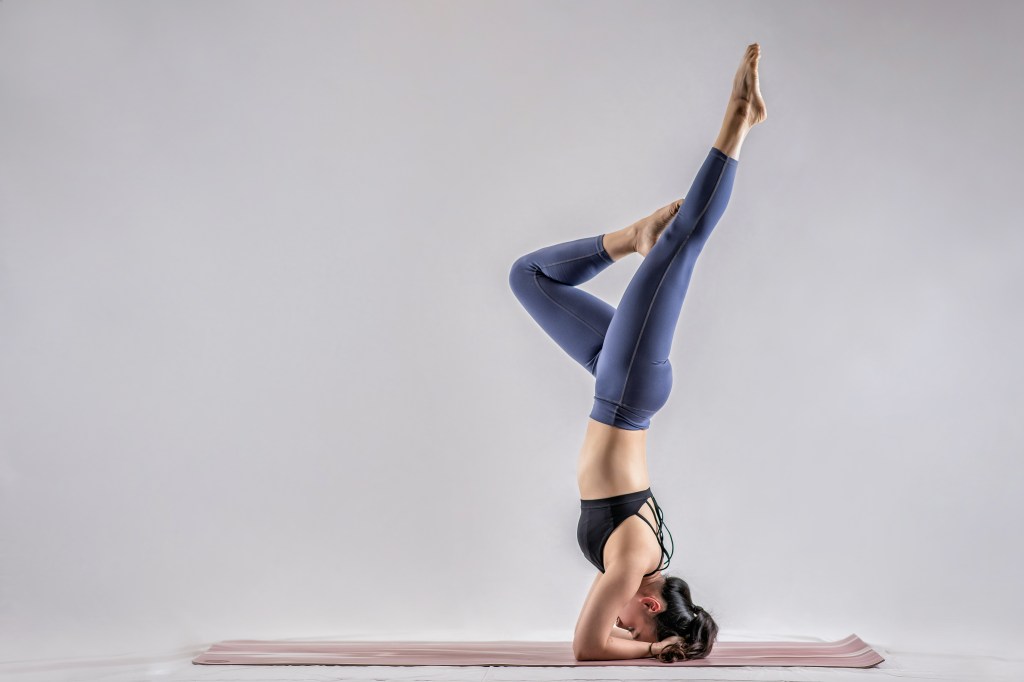

I am incredibly grateful to have been featured in a press release. This recognition is a significant achievement for me, and I feel deeply honored to be acknowledged for my work in Dubai’s fitness industry.
Being highlighted for my dedication to personalized fitness and lifestyle transformation is truly humbling. This milestone wouldn’t have been possible without the support of my amazing clients, colleagues, and the inspiring community at VEO by Emaar.
Thank you to everyone who has believed in me and my approach to health and well-being. This achievement motivates me to continue striving for excellence and to help others lead healthier, more balanced lives.
MPS
Muscle protein synthesis and recovery depend heavily on nutrient timing and training stimulus.
Optimal Frequency for Protein Intake
- Aim to consume 20-40g of protein every 3-4 hours throughout the day for sustained MPS.
- Leucine (an amino acid) plays a critical role in triggering MPS, so prioritize protein sources rich in leucine (e.g., whey, eggs, chicken, fish).
Supplements That Aid Recovery
Creatine Monohydrate: Enhances strength and recovery.
EAAs May reduce muscle breakdown.
Omega-3s & Anti-Inflammatory Foods: Support reduced soreness and improved recovery.
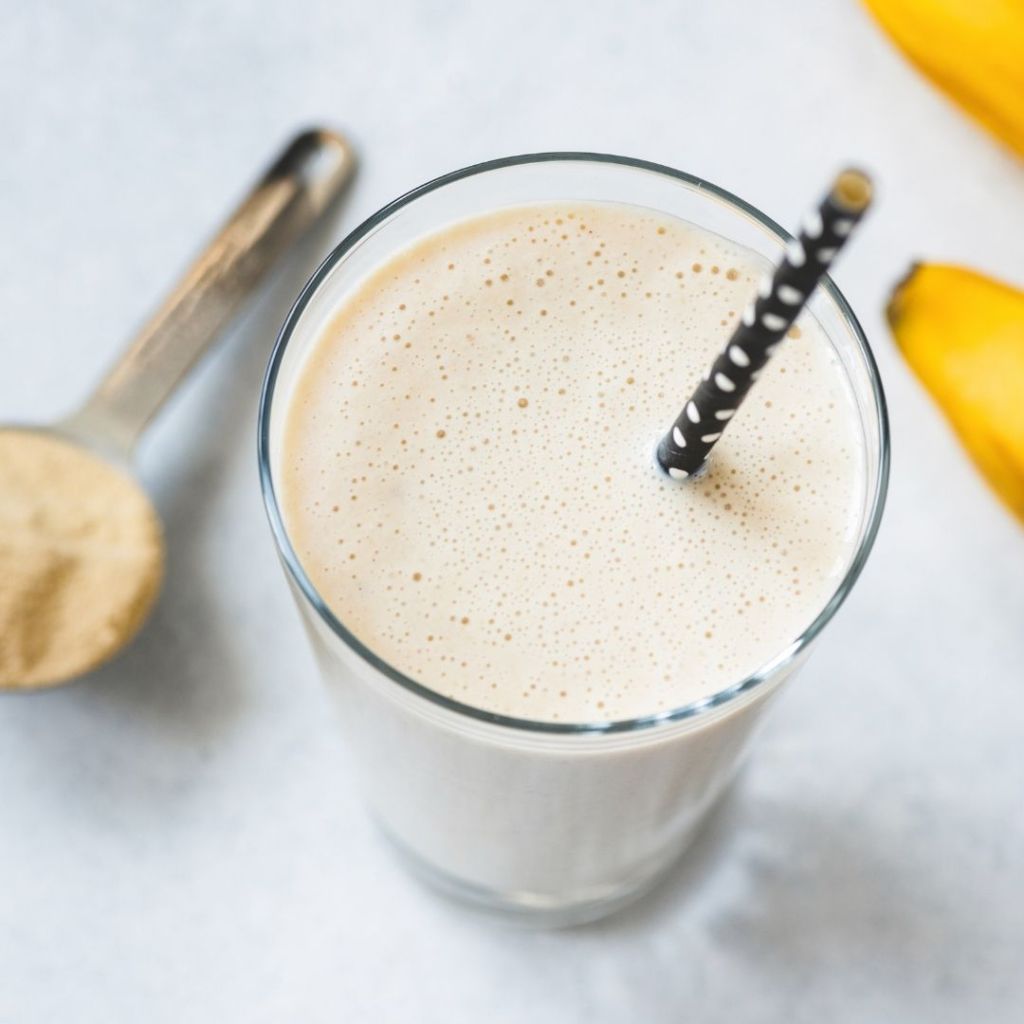
My top 5!
Here are 5 top supplements for fitness that can help boost performance, recovery, and overall health:
Protein Powder (Whey, Casein, or Plant-Based)
Benefits: Supports muscle growth, repair, and recovery. Ideal post-workout to promote protein synthesis.
Best For: Building lean muscle, improving strength, and enhancing recovery.
Tip: Whey protein is fast-absorbing for post-workout recovery, while casein is slower-releasing, perfect for nighttime.
Creatine Monohydrate
Benefits: Enhances strength, power, and muscle mass by replenishing ATP (energy) stores during intense workouts.
Best For: Strength training, explosive workouts, and high-intensity sports.
Tip: Taking 5g daily is effective; no need for a loading phase.
EAAs (Amino Acids)
Benefits: Reduces muscle soreness, prevents muscle breakdown, and supports endurance.
Best For: Long workout sessions, especially for endurance athletes or during calorie deficits.
Tip: Sip during workouts for optimal benefits.
Omega-3 Fatty Acids (Fish Oil)
Benefits: Reduces inflammation, supports joint health, and aids in recovery.
Best For: Active individuals looking to reduce muscle soreness and improve heart health.
Tip: Aim for supplements with high EPA and DHA content for better results.
Magnesium
Benefits: Supports muscle recovery, reduces cramps, and improves sleep quality.
Best For: Athletes experiencing muscle fatigue or those seeking improved recovery and relaxation.
Tip: Magnesium glycinate or citrate offers better absorption for fitness recovery.
For best results, pair supplements with a balanced diet, proper hydration, and consistent training. Always consult a healthcare professional before starting new supplements to tailor them to your goals and needs.

5 Pillars of Fat Loss
Calorie Deficit & Macros
Create a sustainable calorie deficit (eat fewer calories than you burn). Prioritize balanced macros—protein to preserve muscle, carbs for energy, and healthy fats for hormone function.
Resistance Training
Lift weights or use resistance to build and maintain lean muscle. More muscle = higher metabolism = more fat burned at rest.
Cardio + Daily Steps
Add cardio and aim for a daily step goal (e.g. 8–12k). This combo boosts calorie burn and supports heart health.
Hydration
Drink plenty of water—it’s key for metabolism, digestion, and appetite control. Sometimes thirst feels like hunger!
Recovery & Sleep
Rest is just as important as training. Quality sleep and recovery help regulate hormones, rebuild muscle, and keep your fat loss on track.

Glute activations
Glute activations play a critical role in movement quality, injury prevention and overall performance.
Activating pre-session helps prime the neuromuscular system, improves motor unit recruitment and ensures you’re using the right muscles for the job, especially during compound lifts.
When the glutes are underactive, the body often compensates with overuse of the lumbar spine, hip flexors, or hamstrings. This can lead to lower back pain, hip tightness and inefficient movement patterns.
A solid glute and core-focused warm-up helps restore proper muscle sequencing and stability through the pelvis and trunk, both key to reducing joint stress and maximising force output.
Here’s a quick sequence we love to build activation and control:
Crab Walk – lateral hip and glute med activation.
Lock Clam – deep external rotator and glute med focus.
Front Plank – anterior core stiffness and spinal support.
Side Plank – lateral core and hip stability.
Shoulder Taps – anti-rotation and trunk control.
Glute Bridge or Banded Bridge or Banded Bench Squat – posterior chain engagement and hip extension drive.
Dialling this in pre-training = better glute output, reduced compensation, and more efficient lifting mechanics.
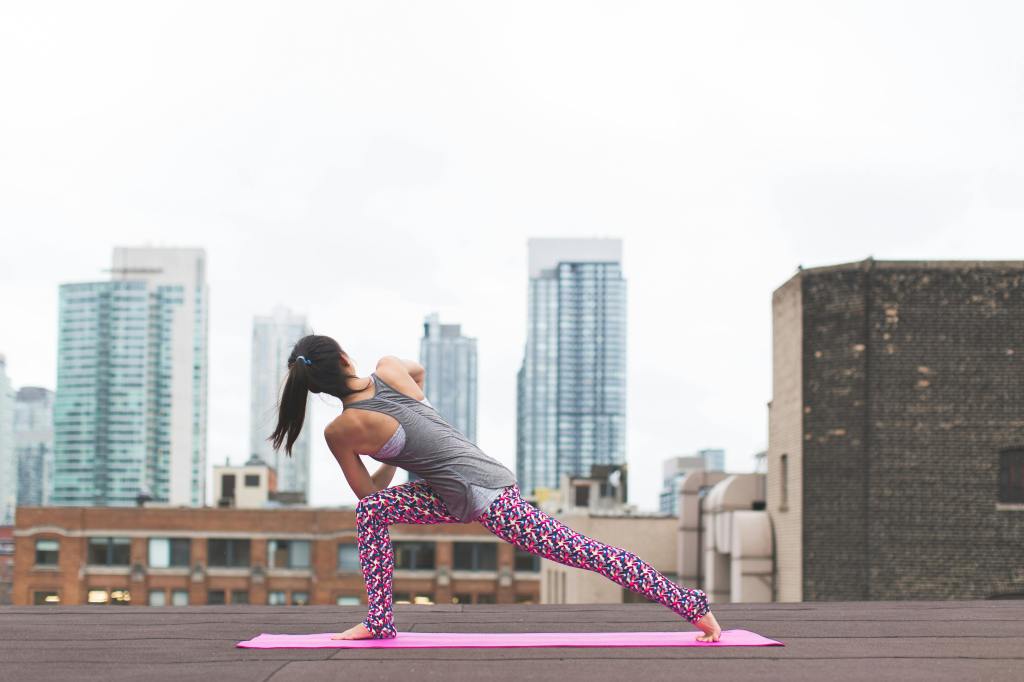
Fasted or Fueled — Which One Works for You?
Some athletes swear by fasted morning workouts — feeling light, focused, and energized. Others need a solid pre-workout meal to power through tough sessions and perform at their best.
At the end of the day, muscle growth isn’t about when you eat — it’s about hitting your total daily protein needs.
But performance? That’s where your approach makes a difference.
Fasted training may suit early risers or low-intensity days.
Fueled sessions shine when intensity, endurance, or strength are on the line.
So… are you #TeamFasted or #TeamFueled?
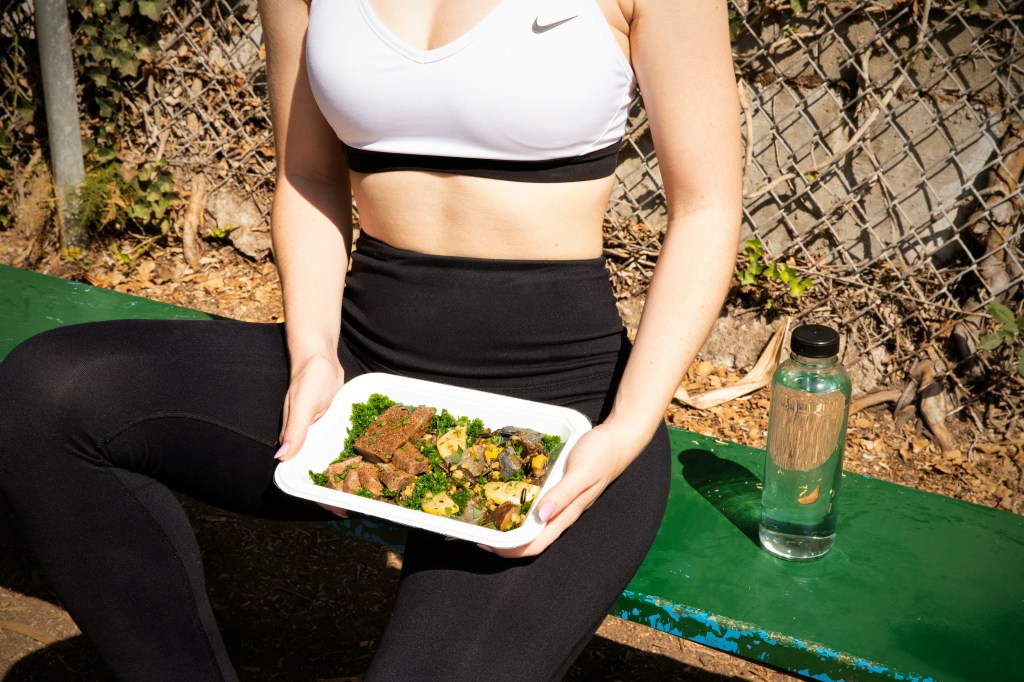
Why I Love Pilates Reformer
I’ve always loved how Pilates combines strength, flexibility, and mindfulness in one session. Using the Reformer, we work with springs and pulleys to provide resistance, which helps you build a strong core, improve posture, and tone your entire body—all while protecting your joints.
Every class is an opportunity to connect with your body, focus on precise movements, and leave feeling energized and empowered.
Benefits You’ll Experience in My Classes
When you join my Pilates Reformer class, you can expect to:
- Strengthen your core and improve stability – helping with posture and daily movement
- Increase flexibility and mobility – feel looser and more balanced
- Reduce stress and boost mindfulness – each session includes intentional breathing and focus
- Prevent injuries and recover safely – low-impact exercises that strengthen without strain
Who Can Join
Whether you’re a complete beginner or have tried Pilates before, my classes are welcoming, personalized, and adaptable to your fitness level. My goal is to help you feel confident in your movements and enjoy every step of your Pilates journey.
Why Join Me?
I love working with people one-on-one or in small groups, ensuring everyone gets guidance, encouragement, and support. My classes are more than just a workout—they’re a space to feel stronger, calmer, and more in tune with your body.
If you’ve been searching for a Pilates class near me, I invite you to join one of my sessions and experience the transformative benefits of Pilates Reformer for yourself.
Take the First Step
Your body deserves a workout that strengthens, stretches, and refreshes. Come try a class and let’s make your Pilates journey personal, fun, and effective.
Somehow, Pilates made me feel stronger, longer, and somehow… happier.
Why Pilates Reformer Feels Different
There’s something special about moving with intention. Every stretch, glide, and press is purposeful. The Reformer gives you resistance that challenges your muscles without beating up your joints, and the best part? You feel your body waking up in ways you didn’t know it could. Some days, it’s lifting my legs higher than yesterday. Other days, it’s holding a plank for a few extra seconds. And sometimes… it’s just laughing at how much fun core work can be when you’re not trying to punish yourself.
Why You Might Love It Too
Pilates is for anyone who wants to move better, feel better, and laugh along the way. And honestly, it’s even better when you share it with friends. After class, I love grabbing a cup of matcha, swapping stories about our wobbling legs, and celebrating those little victories together. It’s not just a workout—it’s a moment to connect, recharge, and have fun.

The Benefits of Good Breathing
Breathing well is more than a basic function — it is one of the most powerful tools we have for improving overall wellbeing. When we practice mindful, deep breathing, we:
- Increase our energy levels throughout the day
- Shift our mood from anxious to calm, from depressed to hopeful, and from worried to confident
- Improve clarity of mind, focus, and decision-making
- Strengthen the connection between mind, body, and spirit by opening the senses and releasing tension
Whether during Pilates, yoga, or simply in daily life, good breathing helps us move better, think clearer, and feel more balanced.

Why Pilates is Safe – and Why We Still Need Strength Training
Pilates is one of the safest ways to exercise. It’s gentle and low impact, so it doesn’t put stress on your joints. That’s why it’s often recommended for beginners, people recovering from injuries, or anyone who wants to move in a safe and mindful way. With its focus on control, breathing, and posture, Pilates helps you feel stronger, more flexible, and more balanced.
But while Pilates is amazing on its own, adding strength training makes your routine even more powerful. Lifting weights or doing resistance exercises builds muscle, supports healthy bones, and gives you more energy for everyday life. It also helps prevent injuries by making your body more resilient.


Today’s Session: The Small Barrel Leg Series
This morning I pulled out the small barrels for my clients, and we went through one of my favorite sequences: the Small Barrel Leg Series.
I love using the barrel because it instantly changes the energy in the room — people see it and know something new (and maybe a little different) is coming. It’s small, supportive, but deceptively challenging once you start moving.
We began with single leg circles, focusing on slow, controlled movement. I could see everyone’s abdominals kick in as they realized the barrel wasn’t going to let them “cheat” with their core. Then we moved into scissors — and I always cue “reach your legs long, like you’re trying to stretch across the room.”
By the time we got to frog and extensions, the inner thighs were definitely awake. A couple of clients laughed and said, “Oh, I feel that!” which is always my favorite kind of feedback. We finished with bicycle, which brought in some flow and coordination, and honestly, it looked beautiful — like everyone was moving in slow motion together.
What I noticed (and what I love) is how supported people feel with the barrel. Their spines settle in, their hips can move more freely, and yet the work is so deep. One client told me afterward that she felt “longer and lighter” — exactly the kind of takeaway I hope for.
Days like this remind me why I come back to the small barrel again and again. It’s simple, it’s effective, and it always gives my clients something new to discover in their own bodies.

“Upgrade” Culture
- People like the idea of replacing something “ordinary” (coffee/tea) with something that feels elevated and healthier.
So matcha isn’t just a drink—it’s become a lifestyle symbol for wellness, balance, and a bit of luxury. 🌿
If you’ve noticed the green latte takeover, there’s a reason! 🍵 Matcha isn’t just a trend—it’s a wellness powerhouse:
🌱 Packed with antioxidants for glowing skin
⚡ Gives you calm, focused energy (no coffee jitters!)
🧘♀️ Supports mindfulness and balance
😋 Delicious in lattes, smoothies, or even desserts
It’s more than a drink—it’s a ritual. A small pause in your day to fuel your body and calm your mind. 💚
Have you tried swapping your coffee for matcha yet?

Strength Has No Age Limit
Many people still believe weight training is only for the young, but the truth is—it becomes more important as we grow older. Our bodies naturally begin to lose muscle mass and bone density over time, which can affect balance, posture, and independence. The good news? Strength training slows this process dramatically and, in many cases, reverses it.
Here’s why weight training matters at every stage of life:
- In your 30s and 40s: It builds a strong foundation, prevents injuries, and keeps your metabolism active.
- In your 50s and 60s: It protects bone health, supports joints, and helps maintain lean muscle so you feel strong and capable.
- Beyond 60: It improves balance, posture, and confidence—empowering you to keep doing the things you love, from playing with grandchildren to traveling with ease.
Weight training doesn’t have to mean lifting heavy barbells at the gym. It can be as simple as using resistance bands, dumbbells, Pilates equipment, or even your own bodyweight. The key is progressive resistance—challenging your muscles in a safe, consistent way.
The real beauty of strength training is that it’s not about chasing a certain look; it’s about building a body that supports you for the long run. Strong muscles mean more freedom, better energy, and a higher quality of life—no matter your age.
It’s never too late to start, and your future self will thank you for it.

Pilates & Scoliosis
Pilates can be very beneficial for people with scoliosis because it:
- Improves core strength and stability (which supports the spine).
- Enhances postural awareness.
- Helps balance muscular asymmetry (tightness on one side, weakness on the other).
- Promotes better breathing patterns, which can be restricted by spinal curves.
Safe Approaches
- Focus on gentle strengthening (core, back extensors, glutes).
- Include mobility and stretching for tight areas (often concave side of the curve).
- Use modified Pilates exercises that avoid excessive twisting or overextension.
- Reformer Pilates can be great with supervision, as the machine provides support and resistance
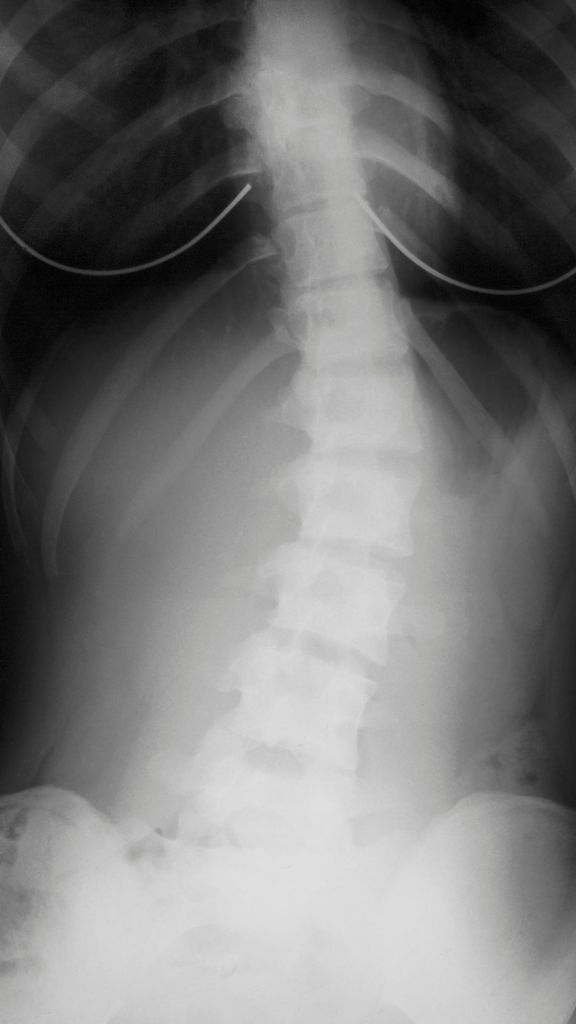
Wellness is holistic. It’s the way you nourish your body, care for your mind, and honor your emotions. Even small daily rituals — stretching, journaling, meditating, or simply drinking water with intention — create ripples of balance that shape how you show up in the world.
A Lifestyle, Not a Trend
Wellness is not about perfection or extremes; it’s about sustainable practices that align with your values. Start small, stay consistent, and most importantly — listen to your body.
When I guide clients, I’m not just sharing techniques; I’m sharing a lifestyle that I live and breathe. My goal is to help people discover that fitness is not about quick fixes, but about building a sustainable routine that empowers them inside and out.
For me, fitness and wellness are not just a career — they are my lifestyle. I prioritize my workouts, and I never skip them. Some people may see this as being selfish, but the truth is — it’s self-care. As a trainer, my energy, discipline, and mindset directly influence the people I guide. If I don’t take care of myself first, I can’t give my best to my clients.
💛 Leading by Example
I believe it’s important to represent what I preach. I can’t encourage consistency, resilience, and discipline if I don’t practice them myself. By showing up for my own training, I prove that wellness isn’t just something I talk about — it’s something I live.
🌿 Wellness as a Lifestyle
To me, fitness and wellness are not quick fixes or temporary goals. They are daily choices — the decision to move, to eat with intention, to rest when needed, and to keep showing up. My workouts are part of that rhythm. They are not a chore; they are a ritual of self-respect.
⚡ The Ripple Effect
When I prioritize my health, I don’t just feel stronger — I create a ripple effect. My energy is higher, my focus is sharper, and my mindset is more positive. That energy transfers into every session I lead, motivating my clients to give their best too.
Why Fitness Matters in Dubai
Dubai is famous for its skyscrapers, luxury lifestyle, and fast-paced environment. But beyond the glamour, the city is rapidly becoming a global hub for fitness and wellness. In a city that never slows down, prioritizing health is more than aesthetics—it’s about building energy, resilience, and mental clarity.
Whether you’re a professional, entrepreneur, or parent, integrating fitness into your routine ensures you stay productive and balanced in the bustling life of Dubai.
Wellness as a Lifestyle
Fitness in Dubai is not just a trend—it’s a lifestyle. From boutique gyms to beach yoga sessions, residents embrace physical activity as part of everyday life. Popular activities include:
- Yoga & Pilates: Enhance flexibility, strength, and mental clarity.
- HIIT & Functional Training: High-energy workouts for busy schedules.
- Strength & Resistance Training: Build endurance and confidence.
Wellness is holistic in Dubai—people focus not only on exercise but also on nutrition, mindfulness, and self-care.
World-Class Training and Facilities
Dubai offers state-of-the-art gyms, wellness studios, and outdoor spaces, making it easy to find inspiration. Highlights include:
- Gyms in Downtown Dubai and Dubai Marina with international trainers.
- Community fitness events like runs, boot camps, and wellness challenges.
- Personalized training programs tailored to your goals, from weight loss to athletic performance.
With access to cutting-edge equipment and global fitness expertise, Dubai makes achieving your health goals exciting and attainable.
Fitness Tips for Busy Dubai Residents
Even with a packed schedule, staying fit is possible. Here are practical tips for Dubai’s lifestyle:
- Prioritize consistency: Short, daily workouts are more effective than sporadic long sessions.
- Mix up your routine: Try Pilates, beach runs, or HIIT classes to challenge your body.
- Hydrate smartly: Dubai’s heat requires extra attention to water and electrolytes.
- Embrace self-care: Rest, recovery, and mental wellness are part of a complete fitness plan.
Dubai: A Global Leader in Wellness
Dubai continues to invest in wellness tourism, community health initiatives, and events like the Dubai Fitness Challenge. Specialized boutique studios and innovative fitness concepts are shaping the city into a global wellness destination.
Residents and visitors alike can enjoy a lifestyle that combines physical activity, mindfulness, and holistic health, making fitness an integral part of living in the UAE.
Embrace Fitness in Dubai
Dubai offers more than luxury—it’s a city where wellness and fitness thrive. By integrating exercise, mindfulness, and self-care into daily life, you can boost your energy, productivity, and overall well-being.
Fitness in Dubai is not just a hobby—it’s a sustainable lifestyle that nourishes the body, mind, and spirit.

Beetroot as a Pre-Workout
Why It Works:
- Nitrates → Nitric Oxide: Beetroot is rich in dietary nitrates, which convert to nitric oxide in the body. This widens blood vessels, improving blood flow and oxygen delivery to muscles.
- Better Endurance: Studies show beetroot juice can improve stamina, letting you train harder for longer.
- Improved Pumps: The nitric oxide boost also enhances muscle pump during strength training.
- Natural Energy: Unlike caffeine-based pre-workouts, beetroot gives clean, sustained energy without jitters.
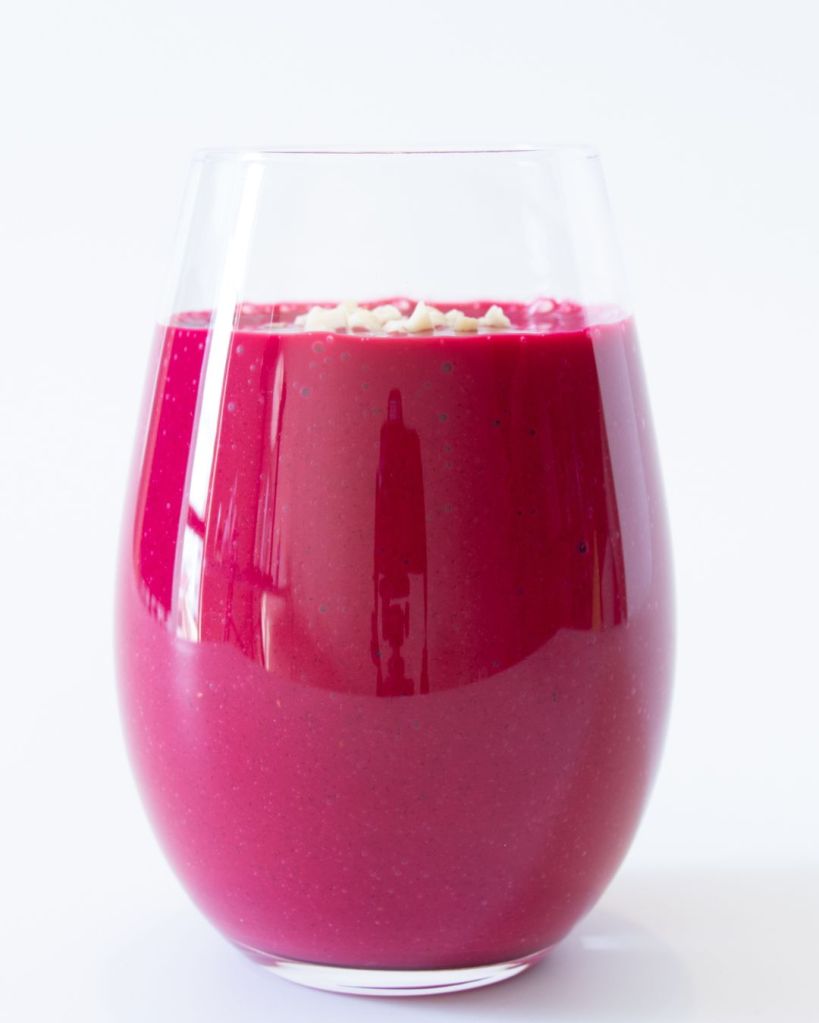
Why You Should Add Unilateral Exercises to Your Gym Routine
When most people train, they focus on bilateral movements, which use both sides of the body at once. While these are excellent exercises, unilateral training (working one side at a time) offers unique benefits:
1. Correct Muscle Imbalances
Most people have a dominant side. Training one arm or leg at a time ensures the weaker side develops evenly, improving balance and symmetry.
2. Build Core Stability
Unilateral exercises challenge your core to keep your body stable, strengthening the abdominals, obliques, and lower back.
3. Enhance Athletic Performance
Many sports and daily movements rely on one side of the body at a time. Lunges, step-ups, and single-arm presses prepare your body for these real-life demands.
4. Reduce Injury Risk
By addressing strength discrepancies and improving stability, unilateral exercises help prevent overuse injuries and improve overall movement quality.
Start with lighter weights and focus on balance and control. Progress gradually as stability and strength improve.
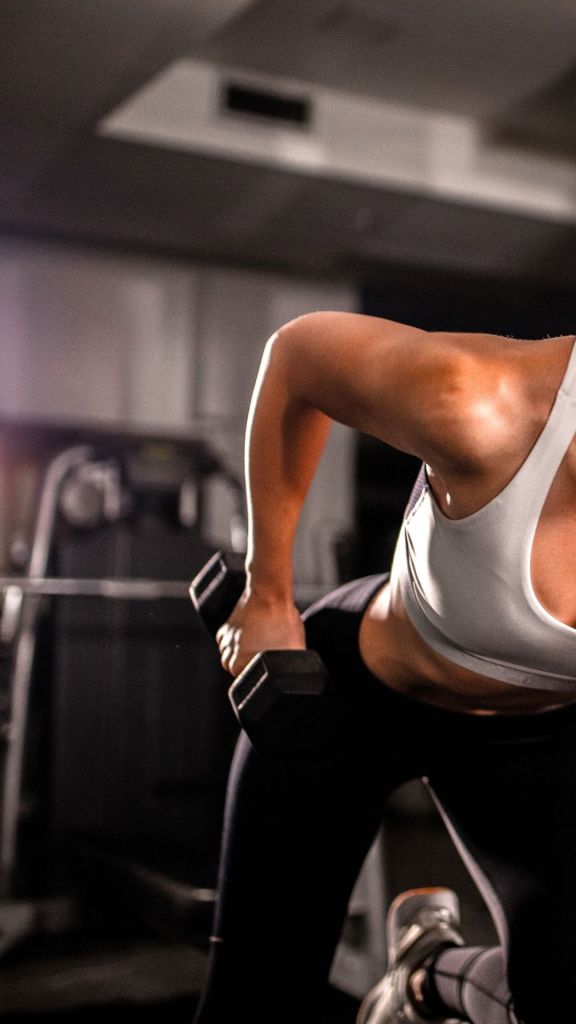
Almonds
Almonds are packed with nutrients and have a bunch of health benefits 🌰✨. Here are the key ones:
- Rich in nutrients 🥜 – high in protein, healthy fats, vitamin E, magnesium, and fiber.
- Heart health ❤️ – the monounsaturated fats help lower bad cholesterol (LDL) and support good cholesterol (HDL).
- Brain boost 🧠 – vitamin E and healthy fats are linked to better cognitive function.
- Blood sugar control 🔄 – low in carbs but high in healthy fats, protein, and fiber, making them great for managing blood sugar.
- Weight management ⚖️ – fiber and protein keep you feeling fuller for longer.
- Skin health ✨ – vitamin E acts as an antioxidant that supports glowing skin.
- Bone strength 🦴 – they contain calcium, magnesium, and phosphorus, all key for bone health.
👉 Eating a small handful (about 20–25 almonds) daily is often recommended as a healthy snack portion.
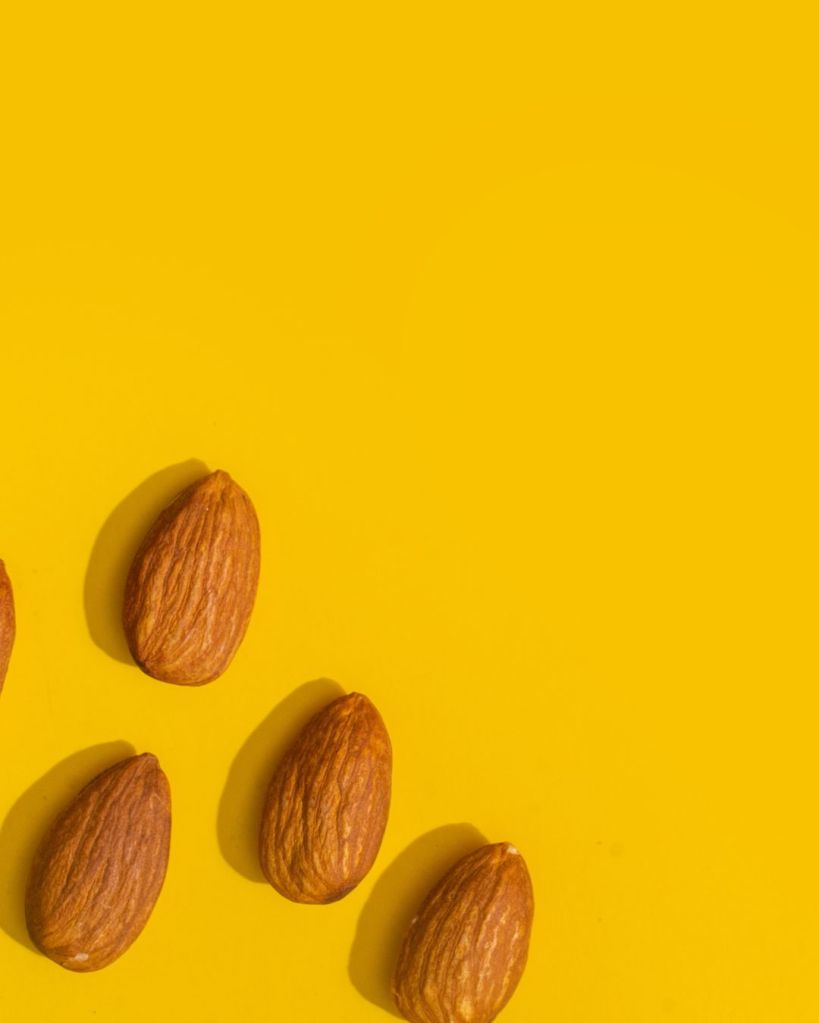
Pilates isn’t just a physical workout — it’s a mind-body discipline.
Here’s the sense of putting them together:
- Pilates Principles (concentration, centering, control, precision, breathing, flowing movement) guide how you move. They’re about awareness, posture, alignment, and physical execution.
- 5 Parts of the Mind (intelligence, memory, imagination, intuition, will & desire) guide how you think and focus. They highlight the mental engagement needed to get the most out of Pilates practice.
Together, they emphasize that Pilates is not just exercise — it’s mental focus + physical precision. You train your body through your mind, and your mind through your body.
Mastery of Pilates requires both mental discipline and physical control, creating a complete practice.

Squats are more of a foundational compound lift than a strict glute-builder. They train the glutes, but because of the movement pattern and the upright torso, a lot of load gets distributed to the quads, hamstrings, and core. Hip thrusts (or other hip extension–focused moves like glute bridges and kickbacks) isolate the glutes more directly, which is why they’re considered superior for pure hypertrophy there.
Still, squats have the advantage of building overall lower-body strength, improving mobility, and carrying over to athletic performance and daily movements.
A nice combo for glute growth and strength:
Squats for full lower-body development
Hip thrusts for direct glute hypertrophy
RDLs or deadlifts for posterior chain emphasis

Eating greens
Eating greens is beneficial because they are packed with nutrients your body needs while being low in calories. Here’s why they matter:
1. Rich in Vitamins and Minerals
- Leafy greens like spinach, kale, and broccoli provide vitamin A, C, K, folate, iron, calcium, and magnesium.
- These support immunity, bone health, blood clotting, and energy metabolism.
2. High in Fiber
- Fiber helps with digestion, keeps you full longer, and supports healthy gut bacteria.
- Can help regulate blood sugar and cholesterol levels.
3. Powerful Antioxidants
- Greens contain antioxidants like lutein, zeaxanthin, and flavonoids that protect cells from damage.
- Can reduce inflammation and support eye health.
4. Supports Heart Health
- Nitrates in greens improve blood flow and lower blood pressure.
- Fiber and antioxidants reduce the risk of heart disease.
5. Weight Management
- Low in calories but high in volume, greens help you feel full without overeating.
6. Detox & Hydration
- High water content helps hydrate and flush out toxins naturally.
In short, greens are a nutrient-dense, low-calorie powerhouse that supports nearly every system in your body.
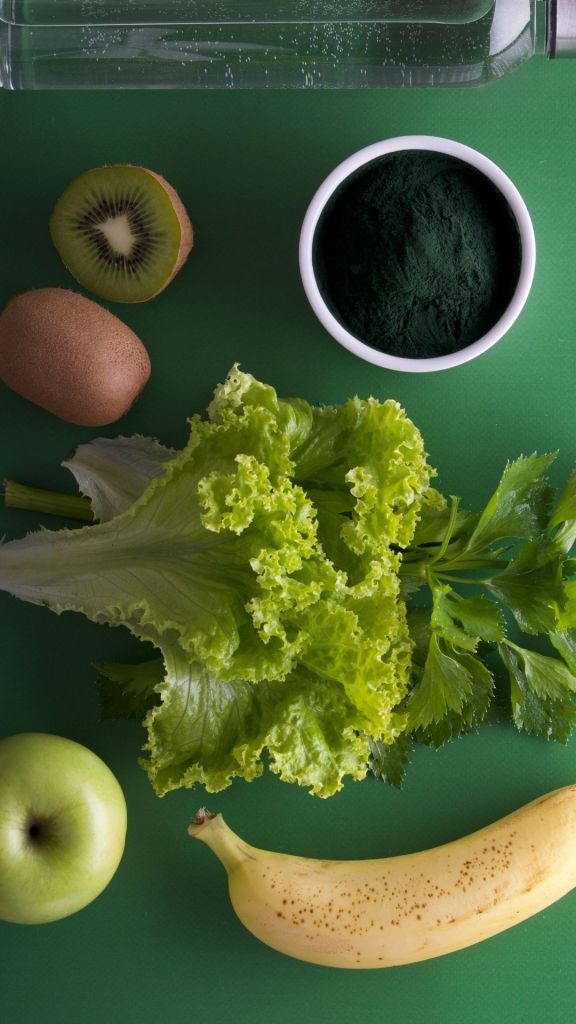
Key Insights on Glute Training
Glute activation & patience first
Start with simple activation exercises (glute squeezes, quadruped movements, side-lying things) to teach the glutes to fire properly. Build this over time, before adding heavy load.
Progressive overload is crucial
Once you’ve developed good activation and form, gradually increase the load, reps, or resistance with exercises like hip thrusts, glute bridges, back extensions, etc. Those are big bang-for-buck exercises.
Exercise variety matters (planes of movement, angles, functions)
Use hip extension exercises (hip thrust, bridges, deadlifts) for overall glute strength.
Include abduction and external rotation (bands, side-lying work) to hit upper glute / glute medius etc.
Take into account range of motion & stretch at the bottom of the movement.
Training frequency & volume
Training glutes ~3× per week often gives good results. But more isn’t always better if recovery, form, activation aren’t there.
Volume should be managed (i.e. enough sets/reps, but not so much that form or recovery suffer).
Prioritize recovery, mobility, and flexibility
You can’t just lift heavy; things like hip mobility, stretch, correcting tight hip flexors / hamstrings etc., will improve performance of glute exercises. If hips are tight, glutes don’t activate as well.
Mind-muscle connection & control over ego lifting
Better to do fewer reps perfectly than a lot poorly. Focus on feeling the glutes contract and extend, keeping core engaged, using proper mechanics rather than just trying to move the most weight

Here’s how to combine fiber sources for better health 🌿
🥣 Soluble fiber – slows digestion, balances blood sugar, lowers cholesterol
👉 Sources: oats, apples, beans, citrus, flaxseed
🥦 Insoluble fiber – adds bulk, supports digestion, prevents constipation
👉 Sources: whole grains, nuts, seeds, veggies, pomegranate seeds
🌱 Resistant starch / prebiotic fiber – feeds gut bacteria, boosts gut health
👉 Sources: green bananas, cooked & cooled potatoes/rice, legumes
Mix them daily for happy digestion + long-lasting energy ✨
For the best gut + overall health, you need both kinds of fiber 🌿
🥣 Soluble fiber → slows digestion, balances blood sugar
🥦 Insoluble fiber → adds bulk, keeps you regular
✨ Together they support digestion, heart health & energy.
Don’t choose one—combine both daily!
Your gut is your second brain 🧠➡️🌿 — and fueling it right boosts performance.
✔️ Soluble fiber keeps blood sugar steady → stable energy for workouts & focus
✔️ Insoluble fiber supports digestion → less sluggishness, more comfort
✔️ Resistant starch feeds good gut bacteria → better mood, recovery & resilience
When your gut thrives, your body and mind perform at their best. 🚀

🌿 Pilates & Chronic Low Back Pain – How Often Do You Really Need It? 🌿
A recent clinical trial (222 patients, 6 weeks) investigated whether doing Pilates once, twice, or three times per week speeds up pain relief in people with chronic low back pain.
🔎 What they found:
All groups improved significantly, with many reporting complete pain relief by week 6.
📊 By the end of 6 weeks:
- 1×/week: 71.6% had no pain
- 2×/week: 77% had no pain
- 3×/week: 78.4% had no pain
💡 Takeaway: You don’t need daily sessions to see results. Even once-weekly Pilates can be highly effective for chronic low back pain—consistency matters more than frequency.
✨ Consistency > Frequency ✨
📌 Registered Trial: NCT02241538

🌿 Reformer Pilates for Chronic Musculoskeletal Pain – Beyond Pain Relief 🌿
A recent randomized controlled trial explored the effects of Reformer Pilates on pain, psychological factors, and sleep in women with chronic low back and neck pain.
Study Details:
- Participants: 54 women (age 30–50)
- Intervention: 6-week Reformer Pilates program, 45 min, twice/week
- Control: No exercise program
- Outcomes measured: Pain severity, coping strategies, beliefs about pain, fear of movement, fatigue, and sleep quality
Key Findings:
- Significant improvements in pain levels (small to large effect sizes)
- Reduced fear of movement (large effect size)
- Better sleep quality (medium effect size)
- Reduced fatigue (small effect size)
- No significant change in pain beliefs (organic) or passive coping strategies
💡 Takeaway:
Reformer Pilates not only helps reduce chronic musculoskeletal pain but also enhances mental well-being, sleep, and active coping strategies. It’s a holistic approach that empowers patients to manage their condition proactively.
📌 Trial registration: NCT06706037
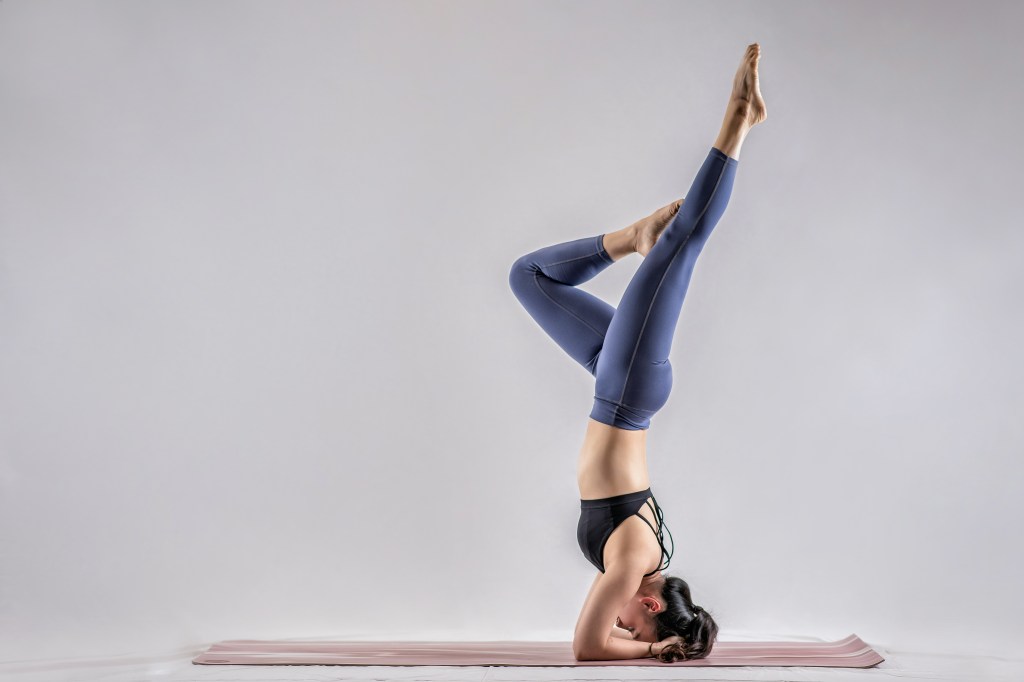
🥦 What Are Micronutrients?
Micronutrients are the vitamins and minerals your body needs in small amounts (micro = tiny).
Unlike macronutrients (carbs, protein, fat), which give you energy (calories), micronutrients don’t provide calories — but they are essential for health, growth, and body function.
🔑 Types of Micronutrients
1. Vitamins (organic compounds)
- Fat-soluble (stored in the body’s fat):
- Vitamin A → vision, skin, immunity
- Vitamin D → bones, calcium absorption
- Vitamin E → antioxidant, protects cells
- Vitamin K → blood clotting, bone health
- Water-soluble (not stored, need daily):
- Vitamin C → immunity, collagen, wound healing
- B-complex (B1, B2, B3, B6, B12, folate, biotin, pantothenic acid) → energy metabolism, red blood cells, brain function
2. Minerals (inorganic elements)
- Macrominerals (need more of):
- Calcium → bones, teeth, muscle function
- Magnesium → nerves, muscles, over 300 enzyme reactions
- Potassium → fluid balance, blood pressure
- Sodium → fluid balance, nerve signals
- Phosphorus → bones, energy production
- Trace minerals (need tiny amounts):
- Iron → hemoglobin, oxygen transport
- Zinc → immunity, wound healing, DNA synthesis
- Selenium → antioxidant, thyroid function
- Copper, Manganese, Iodine, Chromium, Fluoride
⚡ Why Micronutrients Matter
- Support energy production (even though they don’t provide calories)
- Strengthen immune system
- Keep bones, muscles, skin, and blood healthy
- Prevent deficiencies (like anemia from low iron, scurvy from low vitamin C, rickets from low vitamin D)
🥗 Sources of Micronutrients
- Fruits & vegetables → vitamins, potassium, magnesium
- Whole grains → B vitamins, iron, zinc
- Dairy or alternatives → calcium, vitamin D
- Meat, fish, eggs → iron, B12, zinc, selenium
- Nuts, seeds, legumes → magnesium, folate
A colorful, varied diet = wide micronutrient coverage.

✨ The Power Circle – Joseph Pilates’ Secret Weapon ✨
Did you know that Joseph Pilates himself created the Power Circle (also called the Magic Circle) over 100 years ago? 💫
Legend has it he first fashioned it from a 🍺 metal beer keg ring to help his clients engage the inner thighs, arms, and core all at once. Today, the design has evolved — but the purpose is the same: a simple yet powerful tool to deepen mind-body connection 🧘♀️.
💡 Why the Power Circle?
🔥 Builds strength through resistance
🎯 Trains stability and alignment
💪 Engages deep core muscles (hello, Pilates powerhouse!)
🌈 Adds variety and intensity to classical matwork
Joseph Pilates believed in control, precision, and flow 🌿 — and the circle embodies all three. It challenges you not to just “push and pull,” but to move with awareness, finding balance between effort and ease ✨.
A true reminder that sometimes the simplest tools bring the greatest transformation 🌟.
Have you ever tried the Power Circle in your practice? 💜
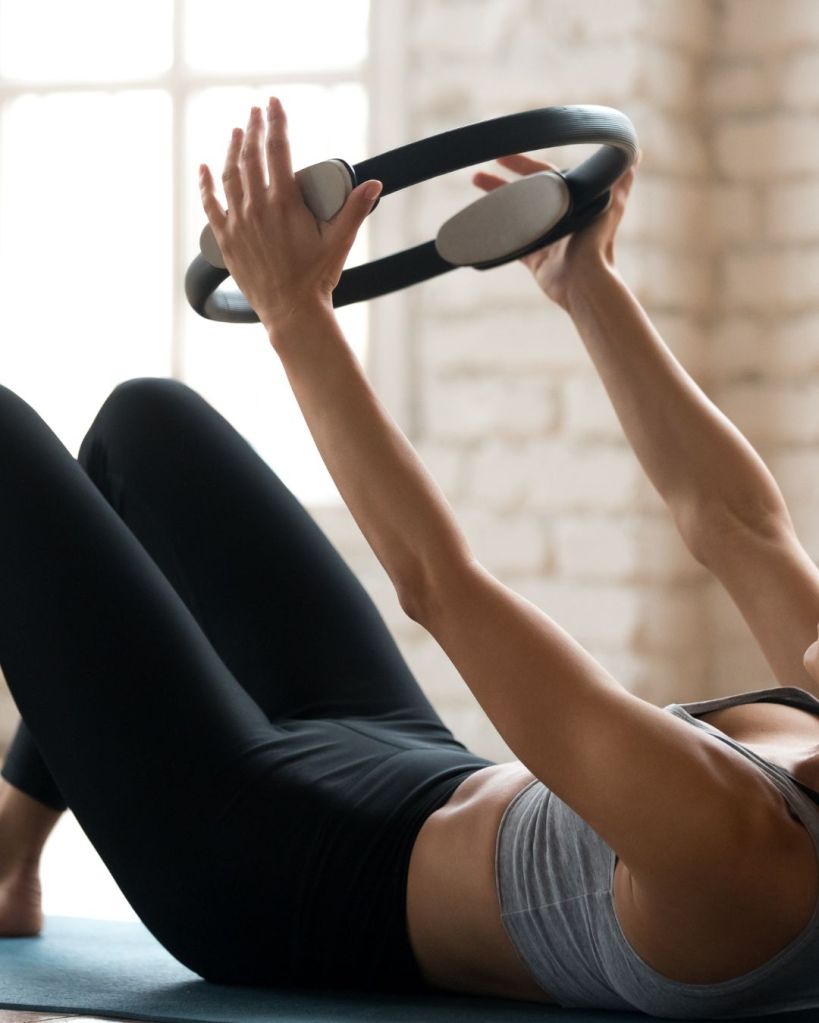
🌟 The Food Formula to Power Your Whole Body 🌟
We often think about food in terms of calories, but your body is way more complex than numbers. Every system in your body—from your muscles to your brain to your immune system—depends on the quality of what you eat.
Here’s how the key nutrients fuel you:
💪 Protein
Protein is more than just “muscle food.” It builds lean mass, repairs tissues, and boosts metabolism. Whether it’s from chicken, fish, beans, tofu, or eggs, protein keeps you strong and energized.
🥑 Healthy Fats
Fats aren’t the enemy! The right kinds (like avocado, olive oil, nuts, seeds, and fatty fish) optimize your hormones, support cell health, and keep your brain sharp and focused.
🌈 Micronutrients
Vitamins and minerals are the silent powerhouses. They energize your mitochondria—the tiny “batteries” inside your cells that fuel every single thing your body does. Think colorful fruits and veggies, nuts, seeds, and whole grains.
🥦 Fiber & Polyphenols
These are the secret weapons for gut health. Fiber helps digestion, while polyphenols (plant compounds found in foods like berries, dark chocolate, and green tea) strengthen your gut and immunity.
✨ The takeaway?
It’s not about restriction—it’s about nourishment. When you give your body the right building blocks, you don’t just look healthier, you feel unstoppable: more energy, better focus, stronger immunity, and long-term vitality.
So next time you fill your plate, ask yourself: Am I feeding just my hunger… or am I fueling my body? 🌱

🔥 Want to Build Muscle & Strength? Stop Treating Weights Like Cardio! 🔥
Too many people think progress means leaving the gym sweaty and breathless. But if your goal is real muscle and strength gains, here’s the truth:
❌ Stop turning weight training into cardio
❌ Stop worrying about keeping your heart rate high between sets
❌ Stop thinking sweat = better results
❌ Stop being afraid of rest
✅ Rest is your best friend if you want to perform at your highest level!
The real goal of lifting weights is progressive overload:
👉 Use more weight for the same reps
👉 Or perform more reps with the same weight
That’s how you grow muscle and get stronger 💪
⏱ How long should you rest?
- Strength focus: 3–5+ minutes between sets
- Hypertrophy (muscle growth): 90 sec – 3 min
💡 Pro tip: Pair opposing muscle groups (like biceps & triceps) so one rests while the other works = more density, less wasted time.
In short: rest smart, lift smart, grow stronger. 🏋️

✨ Pilates for Posture: Stand Taller, Feel Stronger ✨
Do you ever catch yourself slouching at your desk, rounding your shoulders, or feeling stiff in your back? You’re not alone — daily life can take a toll on posture. The good news? Pilates is one of the best ways to reset your alignment.
💪 Why Pilates helps posture:
- Strengthens your deep core to support the spine
- Opens tight chest and shoulders from hours of sitting
- Builds awareness so you notice when you start to slump
- Restores balance between strength + flexibility
🌟 Results: Less tension, more energy, and a confident, tall stance that carries into everything you do.
Remember: good posture isn’t about “sitting up straight” all the time — it’s about training your body to find its natural, supported alignment. Pilates makes that second nature. 🧘♀️
👉 What’s one posture habit you’d like to improve?

Contrast therapy
🔥❄️ Contrast therapy is having a serious moment — moving from athletes and wellness enthusiasts to the mainstream. The mix of sauna heat and ice bath plunges is being embraced not just for recovery, but for mental clarity, stress relief, and even workplace wellness.
The heat of the sauna relaxes muscles, boosts circulation, and clears the mind, while the cold plunge challenges your body, sharpens focus, and builds resilience. Together, it’s a powerful reset button.
From biohackers to busy professionals, more people are using this ritual to disconnect from tech, reconnect with themselves, and build both physical and mental strength.
Key Findings from Research
- Cold-Water Immersion (CWI) after Exercise-Induced Muscle Damage
A recent study looked at 5 consecutive days of CWI at about 14°C for hamstring muscle damage following maximal eccentric contractions. They found that CWI significantly improved recovery in measured strength (MVC), reduced soreness (DOMS), improved flexibility (straight leg raise), and lowered plasma myoglobin (a marker of muscle damage) compared to a resting control group. - CWI vs Other Recovery Modalities
In resistance-exercise settings: 10 mins of CWI at ~10°C didn’t help maximal strength much in the short term, but improved submaximal performance hours later (lifting capacity) versus active recovery.
CWI vs whole-body cryotherapy (very cold air): One study found that CWI was superior for restoring jump performance 72 hours later, slightly better for soreness and perceived recovery over 24-48 hrs.
- Contrast Water Therapy (CWT) (alternating hot and cold water)
A meta-analysis showed CWT gives significantly greater improvements vs passive recovery for muscle soreness and reduces strength loss over 6-96 hours after damage.
Duration matters: a study on runners doing a hard interval and time-trial followed by different lengths of CWT (6, 12, 18 minutes) found that a 6-minute protocol gave a measurable recovery benefit over no treatment; longer durations didn’t improve much beyond that.
- Hydrotherapy / Cryotherapy Comparisons (Larger Meta-Analyses, Reviews)
A large network meta-analysis (57 studies, ~1,220 participants) compared cold water immersion, contrast therapy, hot/thermoneutral water immersion, and cryotherapy. It concluded:
- CWT was best for recovering biochemical markers (like creatine kinase) after muscle damage.
- Cryotherapy was best for reducing perceived soreness and accelerating neuromuscular recovery (jump ability etc.).
Another meta-analysis found that CWI is effective in reducing DOMS and perceived exertion (“疲劳感”), improving countermovement jump (CMJ) performance, lowering markers like creatine kinase and lactate post-exercise. It did not find strong effects on systemic inflammation markers like CRP or IL-6 in the short term (≤48 hours).
- Saunas / Heat Therapy
A study comparing far-infrared sauna (FIRS) vs traditional Finnish sauna (TRAD) after strength training (hypertrophy) or maximal endurance sessions showed that FIRS bathing (~35-50°C, mild humidity) helped recovery of jump performance (CMJ) after endurance training vs just sitting without a sauna. However, for strength-training declines (bench press, leg press etc.), there was no major difference between sauna vs no sauna in many variables.
- Physiological Effects of Alternating Heat and Cold
Some older studies looked at brief exposure to sauna + ice-water or cold vs heat vs neutral for body fluid balance, circulation. They show that alternating heat and cold significantly affect plasma volume, peripheral resistance, stroke work of the heart etc. Suggests that the body undergoes fairly marked cardiovascular stress / adaptation when using combinations (e.g. sauna then ice water immersion).
Practical Implications & Caveats
Timing and Duration matter. Short immersions (5-15 min), relatively moderate cold (≈10-14°C), or contrast durations of ~6 min seem to give benefits. Longer immersion or excessive cold immediately might not add benefit and could disrupt other adaptations.
Goal-dependent: If the aim is to reduce soreness and speed up recovery for subsequent workouts/performance, cold or contrast therapies are helpful. If the primary goal is muscle growth / hypertrophy, some evidence suggests repeated use of cold immediately post work might attenuate the hypertrophy response.
Individual variability is large. Fitness level, training status, type of exercise (endurance vs resistance vs eccentric damage), and how accustomed someone is to cold/heat will affect how strongly they respond.
Systemic inflammation reductions are less robust in many studies; most of the strong evidence is around perceived soreness, performance (strength / jump metrics), and biochemical markers of muscle damage.
Would you try pairing an ice bath with a sauna session? 🌡️❄️

My Bowl
🍏Green Apple
- Rich in fiber → supports digestion, keeps you fuller for longer.
- High in antioxidants (like Vitamin C & polyphenols) → strengthens immunity and protects cells.
- Low in calories & sugar (compared to red apples) → good for weight management and blood sugar control.
- Promotes hydration → high water content helps with fluid balance.
🌿 Cinnamon
- Supports blood sugar balance → may improve insulin sensitivity.
- Anti-inflammatory → helps reduce oxidative stress in the body.
- Aids digestion → can reduce bloating and discomfort.
- May improve circulation & heart health → linked to reduced cholesterol and triglycerides.
🥛 Skyr
- High in protein (casein-based) → supports muscle repair, satiety, and sustained energy.
- Low in fat & sugar (especially plain versions) → great for weight management.
- Probiotic content → supports gut health and digestion.
- Calcium-rich → strengthens bones and teeth.
💪 Whey Protein
- Fast-digesting protein → ideal post-workout for muscle recovery.
- Complete amino acid profile → supports lean muscle growth and repair.
- Boosts metabolism & satiety → helpful in weight management.
- Immune support → contains bioactive compounds like lactoferrin.
✅ Together, green apple + cinnamon + skyr + whey protein make a powerful combo:
- Balanced macros (protein, carbs, fiber).
- Great for pre- or post-workout fuel.
- Supports gut health, stable energy, and recovery.
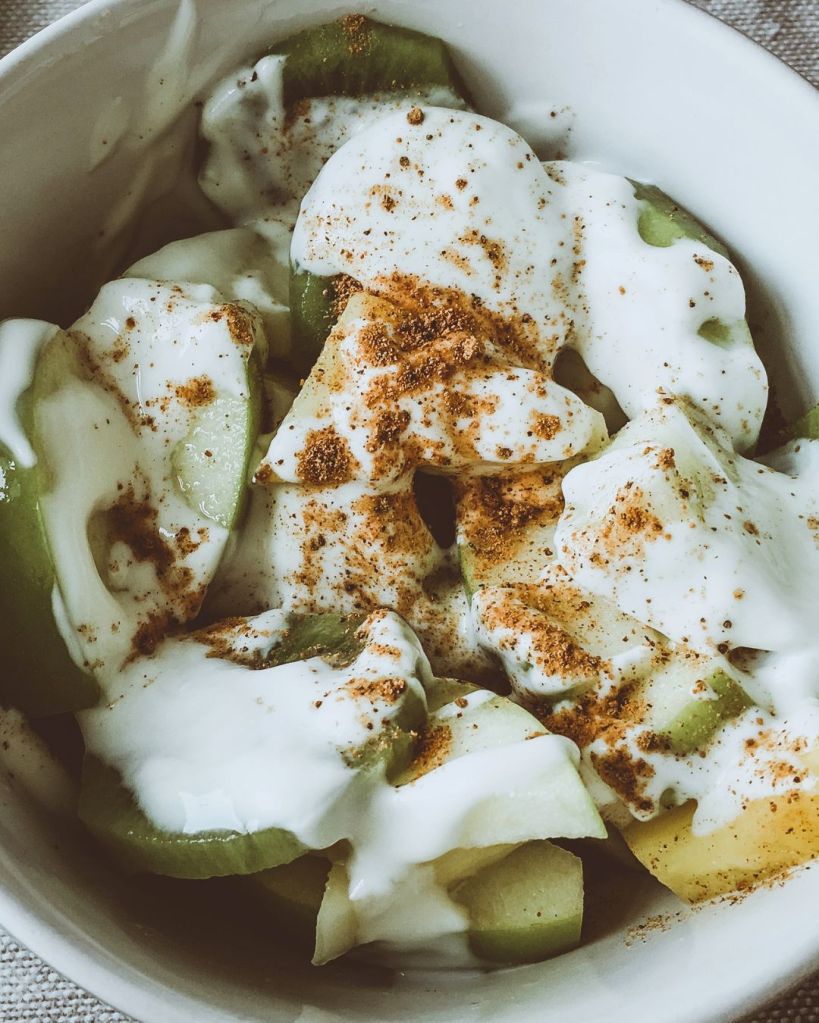
✨ Two essential reformer exercises that transform the way your body feels and moves: ✨
Short Spine 🌀
A truly restorative exercise that feels like therapy for your back. With each fluid, supported movement, you build core stability while giving your spine a gentle massage. This helps release tension, improve mobility, and leave you feeling longer, lighter, and deeply relaxed.
Long Spine 🌿
A powerful, lengthening movement that connects your entire body. It stretches and decompresses the spine, strengthens your core, and builds full-body control. Low-impact yet highly effective, it supports joint health, improves posture, and brings mindful awareness to every breath.
Both movements nurture strength, balance, and harmony in different ways—whether you’re seeking relaxation or empowerment.
👉 Which one speaks to you most—short spine or long spine?
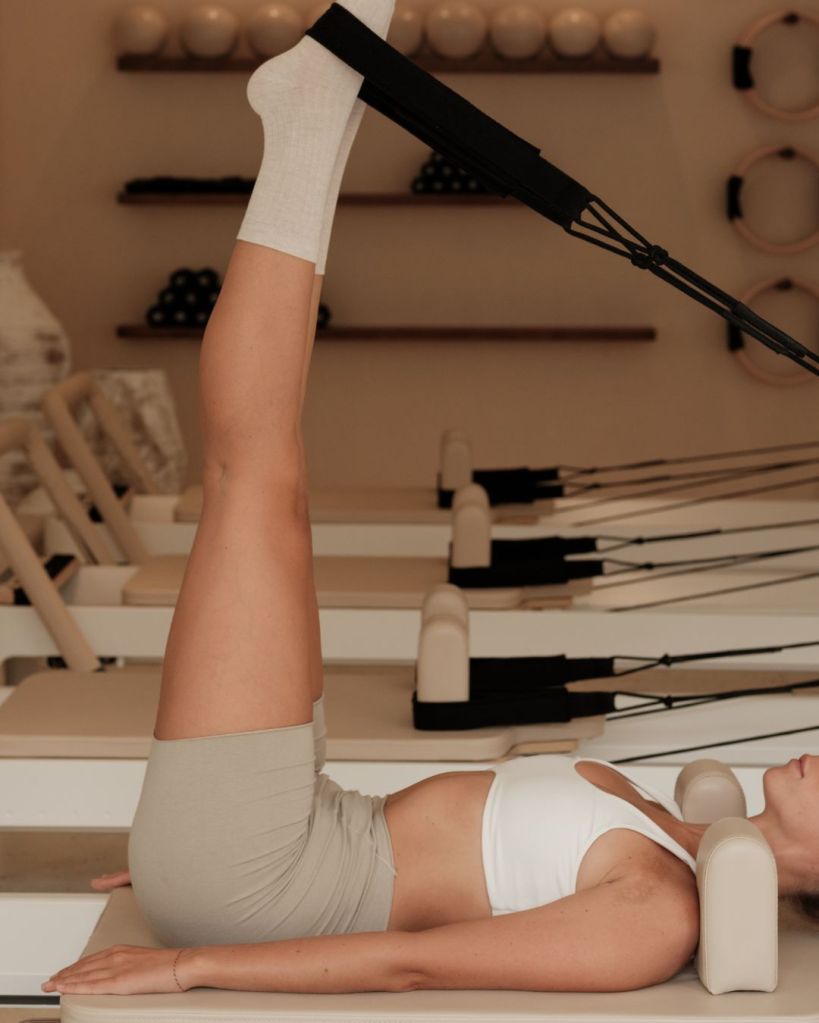
POST WORKOUT
🔵 1. Enter Parasympathetic Mode
🖊️ During training, we are in “fight or flight” mode (sympathetic active). In this state, digestion and recovery are inhibited. Before introducing nutrients, it’s important to shift the nervous system towards the parasympathetic mode — the “rest and digest” state (recovery and assimilation).
👉 Wait 30–45 minutes after your session, take a warm shower, or do 10 minutes of light cool down.
🔵 2. Energy Restoration
🖊️ Protein synthesis and anabolic processes require energy. After training, there is an “insulin-mimetic effect,” meaning carbohydrates enter the muscles almost without the need for large insulin spikes. Let’s take advantage of this!
👉 Around 45 minutes post-workout, consume 1–2 g of carbohydrates per kg of body weight, along with 20–30 g of protein. Keep fats very low or absent to avoid slowing digestion.
🔵 3. Structural Restoration
🖊️ About 1.5–2 hours after your workout, the focus shifts to rebuilding muscle and connective tissue. At this stage, macronutrients should provide both energy and building materials.
👉 Have a balanced meal with 0.7–1.5 g of carbohydrates per kg of body weight, 30–40 g of protein, and a moderate amount of fats (5–10 g).
Example: rice, chicken, and a drizzle of extra virgin olive oil.
✅ Following these three phases helps maximize digestion, recovery, and muscle growth.

What Actually Creates Change
👉 1. Exercise Selection
Results don’t come from random moves. You need lifts that actually target glutes, hamstrings, and quads with purpose.
👉 2. Training Intensity
Growth happens when you train close to failure — within 0–3 reps of your limit. If you stop too soon, you leave results on the table.
👉 3. Effective Volume
It’s not about doing more, it’s about doing better. 10–20 quality sets per muscle group per week is the sweet spot.
👉 4. Time Under Tension
Workouts don’t need to drag on. 45–70 minutes of focused, hard training beats 2 hours of going through the motions.
👉 5. Nutrition = Growth
Training builds the stimulus, but food builds the muscle. Get enough protein + calories or your progress stalls.
⚡Consistency + effort + recovery = transformation.

Pizza & Co
When carbs get demonized with examples like pizza, chips, or pastries. Those foods aren’t just about carbs—they’re loaded with fat, salt, and sugar, engineered to be hyper-palatable.
Carbs themselves aren’t “bad.” The issue is when a food is low in fiber, micronutrients, and protein, but high in sugar, fat, and salt. That combo makes it super easy to overeat while barely feeling full.
Carbohydrates, on their own, are actually really valuable—especially if you’re active. They fuel performance and recovery. But you don’t need to be crushing workouts for hours a day to “deserve” them.
Think about it: if eating carbs truly required that much effort, the Mediterranean diet wouldn’t consistently outperform nearly every other eating pattern in clinical studies. And guess what? The Mediterranean diet typically includes about 40–50% of calories from carbs.
So yeah…carbs aren’t the villain. Context matters.

Simple, Wholesome Goodness ✨
Fuel your body with ingredients that actually love you back 💛
🥣 Rolled Oats — slow-release energy to keep you going all day.
🌰 Pecans — heart-healthy fats and a delicious crunch.
🥥 Coconut Flakes — tropical flavor + natural MCTs for energy.
🍒 Dried Cranberries — antioxidants and a touch of natural sweetness.
When you combine real, simple foods, you don’t just eat — you nourish. 🌿
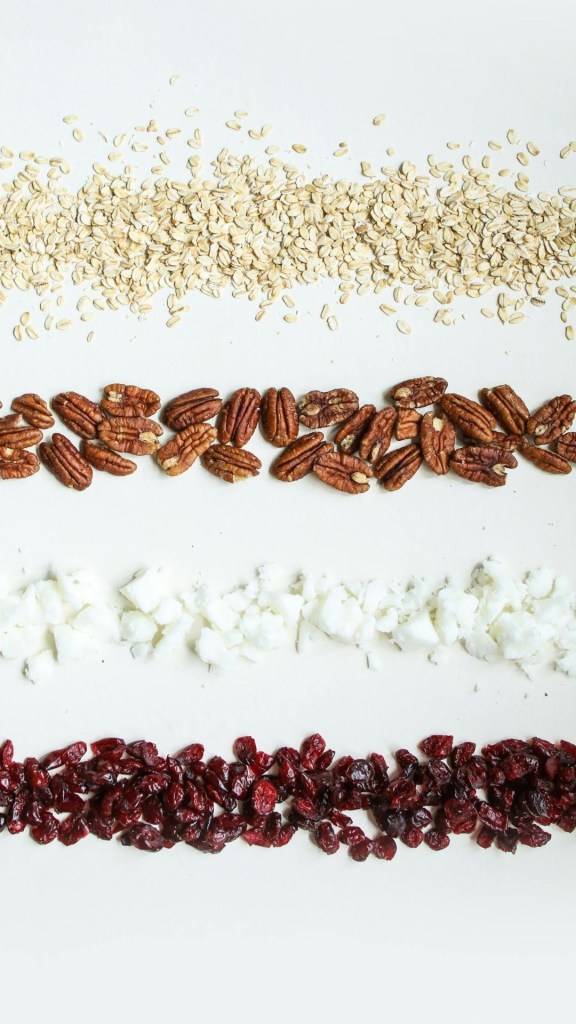
Why Your Workout Must Be Customized to You
When it comes to fitness, there’s no “one-size-fits-all” solution. Yet, so many people fall into the trap of following random online routines or copying what their friends are doing. The truth is, your body, your goals, and your lifestyle are unique — and your workout should reflect that.
Everyone’s body is different. We all have unique strengths, weaknesses, and fitness levels. A routine that works wonders for one person might leave another frustrated, sore, or even injured. Custom workouts consider your body type, muscle imbalances, and mobility to ensure every exercise works for you.
Your goals drive your plan. Whether you want to build strength, improve endurance, tone your muscles, or recover from an injury, each goal requires a different approach. Generic programs often focus on what’s popular, not what will get you results.
Safety is key. If you have past injuries or chronic aches, some exercises could do more harm than good. A personalized plan minimizes risk by addressing weaknesses and strengthening areas prone to injury.
A plan that fits your lifestyle makes consistency achievable. Time, equipment, and daily habits all play a role. Tailoring a workout to your schedule keeps you committed and avoids the “I don’t have time” excuse.
Enjoyment and motivation matter too. Workouts can feel like a chore if they’re boring or too hard. A customized routine includes exercises you enjoy and challenges you just enough, making fitness something you look forward to instead of dread.
The takeaway is simple: personalized workouts are safer, more effective, and more enjoyable. When your plan is built for you, results happen faster, injuries are less likely, and sticking with it feels natural — not forced.
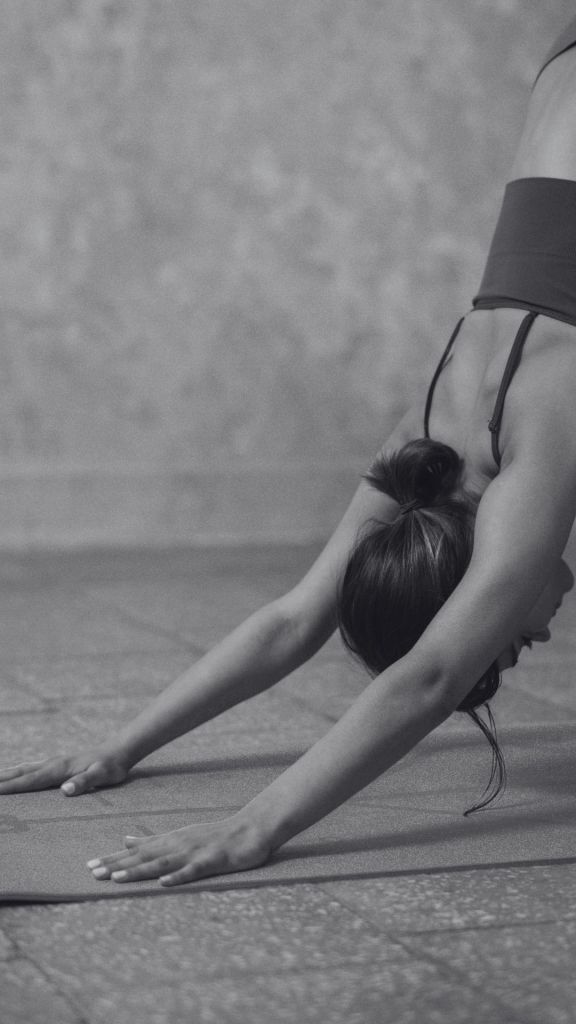
Pilates trend
Reformer has become the trend of the moment. Big players in the industry — better not to name names — have been offering classes with 20 people at once for years. Even the leading company in gym equipment manufacturing has patented its own Reformer. And guess what? All of this is included in low-cost subscriptions.
The result? People think they’re doing Pilates, but this isn’t Pilates. It’s fitness in disguise, adapted to a business model. Authentic Pilates requires precision, care, and professionalism. It is not a group class with 15–20 people all on the same machine. In those settings, the essence is missing, the philosophy is missing, and the real work on the body is missing.
Of course, everyone chooses according to their budget and what they want to invest in their wellbeing, but remember, this is about your body, your health. My mission here is one: to educate you on true Pilates, so that you can make informed choices. Don’t be fooled by trends. If you want to truly understand what Pilates is, follow me here.
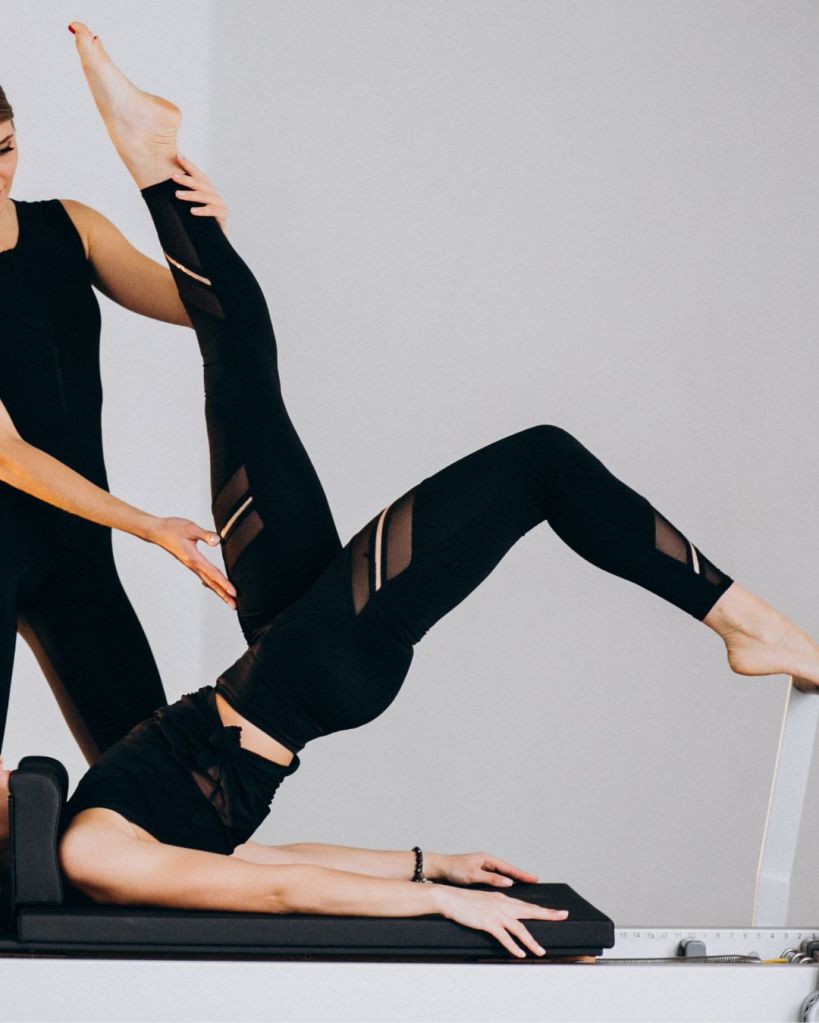
“Carbs Don’t Make You Fat: The Real Truth”
Carbohydrates often get blamed for weight gain, but that’s a very simplified—and misleading—picture of how nutrition really works. The idea that “carbs make you fat” is one of those persistent diet myths that ignores the bigger context.
First, carbs are the body’s preferred fuel source. They power your brain, muscles, and daily life. Cutting them out entirely or demonizing them leads to energy crashes, poor performance, and often cravings that backfire. As one dietitian reminds us: “Carbohydrates and protein both contain 4 calories per gram, so it’s the portion size and type of carb that matters for weight gain.”
Second, not all carbs are created equal. Whole-food carbs like fruits, vegetables, legumes, and whole grains come with fiber, vitamins, and minerals—these are very different from refined carbs in sugary drinks, white bread, and desserts. The latter are easier to overeat, which is one of the real drivers behind gaining weight. Cleveland Clinic+1
Also, research shows that when you compare low-carb diets to balanced diets in people trying to lose weight, the differences in results often shrink over time. What matters more is overall calories, food quality, consistency, and metabolic health. PubMed Central+1
So, instead of cutting out carbs altogether, a smarter approach is to choose the right carbs (fiber-rich, minimally processed), watch portion sizes, and focus on balance. Use them to fuel your workouts and daily life. And remember: food should nourish, energize, and support your health—not be feared.
💊 4 Supplements I’m Getting My Aging Parents to Take
Because aging well isn’t luck — it’s strategy. Here’s what’s on their daily list 👇
1️⃣ Creatine
Not just for gym bros — it’s for longevity.
💪 Helps preserve muscle & strength (which decline 3–8% per decade after 30)
🧠 Boosts brain energy and may protect against depression & cognitive decline.
2️⃣ Omega-3s
Fish oil = brain & heart insurance.
❤️ EPA + DHA lower inflammation, improve blood flow, support memory, and protect against heart disease.
🍣 Most older adults don’t get enough through diet — when paired with other nutrients, it can even help reduce biological aging.
3️⃣ Magnesium Glycinate
The unsung hero of recovery and rest.
🌙 Supports sleep quality, muscle recovery, and heart rhythm.
🧘♀️ The glycinate form is gentle on the stomach and calming for the nervous system — ideal for deep, restorative sleep.
4️⃣ Vitamin D3 + K2
☀️ Vitamin D3 supports immunity, mood, and bone health.
🦴 K2 ensures calcium goes into bones (not arteries).
Together, they’re essential for healthy aging and strong bones.
💬 Your turn — which supplement do you swear by for longevity?

Strength Training vs Stretching: What Science Really Says About Mobility
When most people think about improving flexibility or mobility, their first instinct is to stretch more.
We picture long static holds, deep stretches, and the belief that the only way to “loosen up” is to pull our muscles further.
But a growing body of research challenges that idea — showing that mobility is not just about stretching, but also about strength, control, and stability.
One of the most interesting studies published in PubMed —
“Strength Training versus Stretching for Improving Range of Motion: A Systematic Review and Meta-Analysis” (PubMed ID: 33917036) —
compared the effects of strength training and stretching on range of motion (ROM).
The results?
👉 Both strength training and stretching led to comparable improvements in flexibility and joint range.
In other words, building mobility isn’t only about making muscles “longer.”
It’s also about helping the body move through its available range with stability, resistance, and active control.
🧘♀️ Why This Matters for Pilates Practice
In Pilates — especially on the reformer — every movement blends strength and mobility.
When you perform controlled, loaded movements with mindful alignment, you’re not just working your muscles…
you’re training your nervous system to allow more movement safely.
Mobility is the ability to move freely and with control.
That’s why a strong body often moves better than a weak one — even if it doesn’t “stretch” as often.
🔬 The Science Behind It
The study’s findings suggest that improvements in flexibility come not only from lengthening the muscle fibers but from:
- Reduced muscle stiffness
- Improved neural tolerance to stretch (your brain learns that it’s safe to move further)
- Enhanced motor control from strength and resistance work
This is exactly what Pilates develops — active range of motion, where strength supports flexibility.
Unlike passive stretching, this kind of mobility training improves long-term movement quality, posture, and injury prevention.
🌍 How You Can Apply This
- Replace the idea of “just stretching” with integrated movement — reformer sessions, mat work, or functional strength training.
- Focus on eccentric control (lengthening under load), which promotes both flexibility and strength.
- Use mobility work as a complement, not a replacement — both methods have their place when done intentionally.
- Remember: consistency matters more than duration. A few minutes daily of active movement can create meaningful change.
✨ The Takeaway
Flexibility without strength can lead to instability.
Strength without mobility can create tension and restriction.
But together — strength and stretch, control and release — that’s where real, sustainable mobility lives.
In Pilates, we don’t just stretch; we train the body to move with intelligence, balance, and purpose.
That’s what makes it so powerful, and why the science keeps supporting what Joseph Pilates knew all along:
True flexibility is strength in motion.
📚 Reference:
Afonso, J., Rocha-Rodrigues, S., Nikolaidis, P.T., Clemente, F.M., et al.
“Strength Training versus Stretching for Improving Range of Motion: A Systematic Review and Meta-Analysis.” PubMed, 2021. PMID: 33917036
Read on PubMed →

 BYKALEY